- Mon-Fri 9am-5pm
- hello@innodez.com
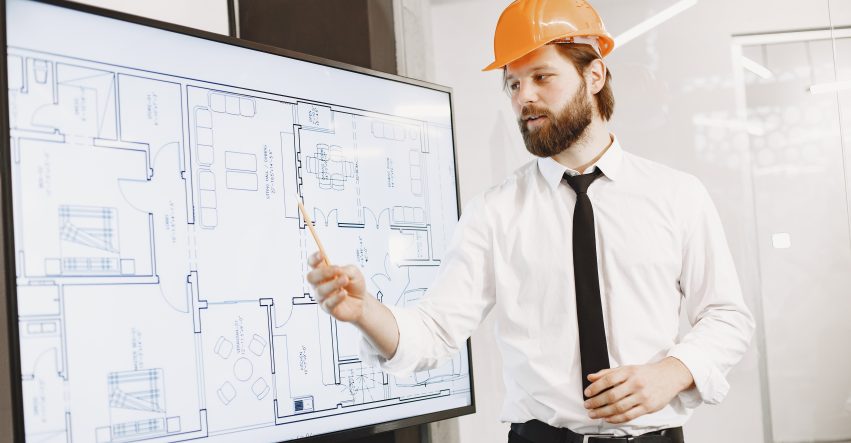
When embarking on a new building project—whether it’s a commercial complex, residential tower, hotel, or industrial facility—few aspects are as crucial to the long-term success and efficiency of the building as MEP design. Short for Mechanical, Electrical, and Plumbing, MEP systems are the lifeblood of any structure, ensuring comfort, functionality, safety, and sustainability. However, starting an MEP design project is not as simple as handing over a set of blueprints to an engineer. Careful planning and informed decision-making are essential from day one. Without asking the right questions upfront, you risk facing costly redesigns, construction delays, or system inefficiencies that could haunt the building for decades.
At InnoDez, a leading MEP design company, we emphasize the importance of thorough pre-project discussions with our clients. Our experience shows that asking the right questions at the outset saves time, money, and frustration down the line.
Here are the five essential questions you should ask before starting an MEP design project.
Why It Matters:
Every building has a different purpose, and its MEP design should reflect that. A hospital, for instance, has vastly different HVAC, electrical load, and plumbing needs compared to a high-end restaurant or a data center.
Key Considerations:
By having a clear understanding of the building’s intended function and usage patterns, MEP engineers can design systems that are tailored for performance, compliance, and energy efficiency.
How InnoDez Helps:
At InnoDez, we begin every MEP project with a thorough needs assessment. Our team collaborates with architects, owners, and other stakeholders to ensure all operational requirements are identified early, so we can develop a responsive and resilient MEP design that meets the client’s exact needs.
Why It Matters:
Building codes, energy codes, and environmental regulations vary greatly depending on the project’s location. Ignoring these regulations can lead to rejected permits, costly redesigns, or even legal penalties.
Additionally, many building owners today are aiming for green certifications like LEED, WELL, or Green Globes. Incorporating sustainability goals into MEP design from the beginning is far easier—and more cost-effective—than trying to retrofit eco-friendly solutions later.
Key Considerations:
How InnoDez Helps:
InnoDez has extensive experience navigating the complex patchwork of building codes across the United States. We design MEP systems that are code-compliant from the outset and proactively integrate sustainable design principles, helping clients achieve their green building goals with minimal hassle.
Why It Matters:
Budget constraints and project deadlines are two of the biggest challenges in construction—and MEP systems can be major drivers of both cost and schedule.
Understanding the financial and timeline realities allows engineers to recommend the most cost-effective systems, choose appropriate materials, and prioritize features that offer the best value for money.
Key Considerations:
Without this information, engineers might design systems that are over-engineered (too expensive) or underperforming (risking future modifications).
How InnoDez Helps:
InnoDez prides itself on delivering value-engineered MEP solutions. We balance upfront costs with lifecycle savings, offering designs that maximize performance without busting the budget. Our proactive project management also ensures that MEP milestones are met on time, keeping the entire construction schedule on track.
Why It Matters:
MEP systems don’t exist in a vacuum. They must coexist with the architectural layout, structural elements, and each other. Poor coordination can result in ductwork clashing with beams, electrical conduits crisscrossing water pipes, or oversized mechanical rooms eating into rentable floor space.
Key Considerations:
Coordination failures during the design stage can cause costly change orders during construction.
How InnoDez Helps:
At InnoDez, we use advanced coordination tools, including 3D BIM modeling, to seamlessly integrate MEP designs with architectural and structural plans. Our team actively collaborates with all project disciplines, ensuring systems are space-efficient, accessible, and fully compatible with the overall design intent.
Why It Matters:
Buildings evolve over time. Tenants change, technology advances, and operational demands shift. A well-designed MEP system should be flexible enough to adapt without requiring complete overhauls.
Moreover, MEP systems will require regular maintenance to remain efficient and code-compliant. Designs that neglect serviceability end up costing building owners far more over the building’s lifecycle.
Key Considerations:
How InnoDez Helps:
InnoDez places a strong emphasis on designing for the future. Our MEP systems are built not just for today’s needs, but with flexibility and scalability in mind. We integrate maintenance access, monitoring capabilities, and capacity for expansion, ensuring our clients’ investments are protected for decades.
Asking the right questions before starting an MEP design project sets the stage for success. But just as important as the questions themselves is who you trust to answer them.
Choosing a trusted MEP design partner like InnoDez can make all the difference.
At InnoDez, we don’t believe in cookie-cutter solutions. We take the time to understand each project’s unique requirements, constraints, and goals. Our multidisciplinary team brings decades of experience across commercial, residential, hospitality, healthcare, and industrial projects.
Here’s what you can expect when you partner with InnoDez:
Starting your MEP design journey with InnoDez means starting strong—and staying strong through every phase of your project.
Before breaking ground on your next project, take the time to ask the hard questions. Understanding the functional needs, code requirements, budget realities, coordination complexities, and future-proofing options will save you countless headaches down the road.
And most importantly, partner with an MEP design firm that brings expertise, creativity, and collaboration to the table.
InnoDez is ready to help you bring your vision to life—with MEP systems that are intelligent, efficient, and built to last.
Contact InnoDez today to discuss your next MEP design project and see how we can help you turn challenges into opportunities!


