
- Mon-Fri 9am-5pm
- [email protected]

Introduction In today’s ever-evolving world, energy efficiency and water conservation have become paramount concerns for both businesses and individuals. With rising utility costs and growing awareness of environmental impact, finding ways to improve efficiency and conservation is crucial. This is where tenant improvements come into play. Tenant improvements offer a unique opportunity for building owners
Read More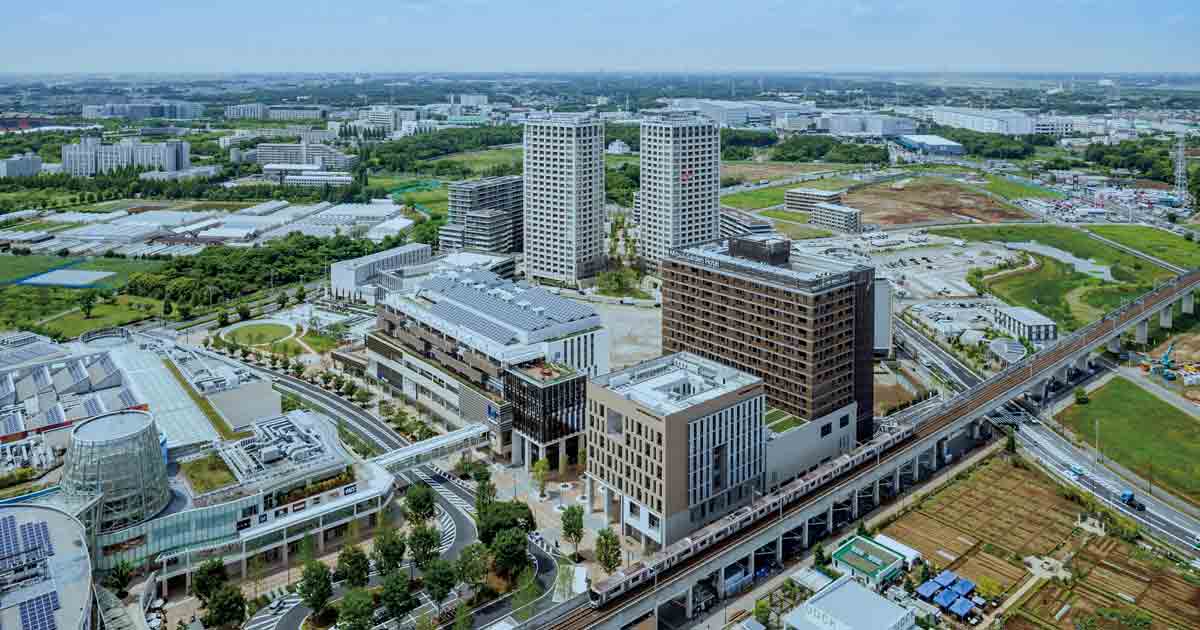
What is MEP in Smart Cities? In the rapidly evolving landscape of urban development, the concept of smart cities is gaining traction worldwide. These cities integrate cutting-edge technology and data-driven solutions to enhance the quality of life for their residents. While the term “smart city” may conjure images of self-driving cars and sophisticated surveillance systems,
Read More
Welcome to the world of multi-family housing developments! If you’re embarking on a project in this space, it’s essential to familiarize yourself with Title 24 compliance for MEP (mechanical, electrical, and plumbing) systems. This comprehensive roadmap will ensure your development meets the required energy efficiency standards. In this article, we will explore the ins
Read More
When it comes to the success of a construction or renovation project, MEP (Mechanical, Electrical, and Plumbing) engineering plays a crucial role. From designing efficient heating and cooling systems to implementing energy-efficient lighting solutions, MEP engineers bring immense value to any project. In this article, we will explore how MEP engineering can enhance the overall
Read More
Introduction In an era where sustainability is of utmost importance, finding ways to make buildings more efficient is crucial. From reducing energy consumption to implementing smart technologies, there are numerous strategies that can be employed to enhance a building’s performance. In this article, we will explore five key strategies for making a building more efficient.
Read More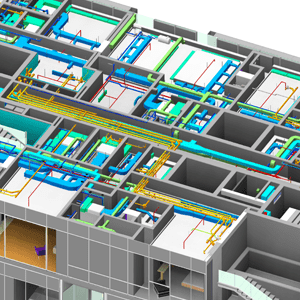
Understanding Building Repurposing Repurposing an existing building can be an exciting endeavor. Whether you’re transforming an old warehouse into a trendy office space or converting a historic building into a boutique hotel, repurposing allows you to breathe new life into structures with rich histories. However, before you embark on any repurposing project, it’s important to
Read More
Efficient commercial MEP design is essential for ensuring smooth operations and optimal performance in commercial buildings. Whether it’s an office space, a retail store, or a manufacturing facility, a well-designed mechanical, electrical, and plumbing (MEP) system is key to achieving energy efficiency, cost savings, and occupant comfort. In this article, we will explore the five
Read More
Are you facing challenges in your construction project? Are you unsure about the technical aspects of mechanical, electrical, and plumbing systems? If so, it’s time to consider the importance of MEP expertise. In this article, we will explore seven compelling reasons why you need the assistance of MEP experts. Understanding MEP Expertise MEP, which stands
Read More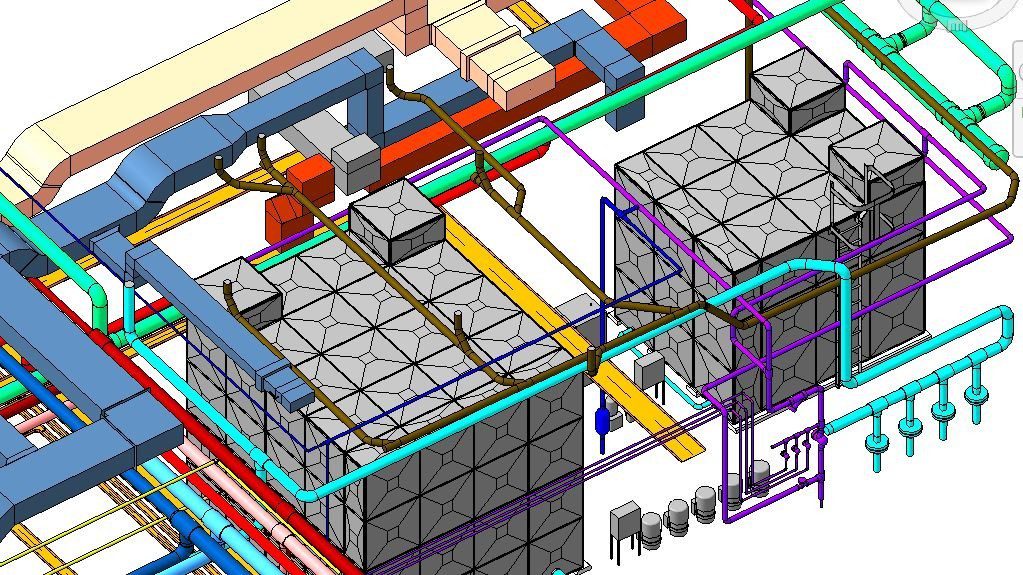
Over the years, the field of MEP (Mechanical, Electrical, and Plumbing) engineering has undergone significant transformations. Advancements in technology, sustainability concerns, and changing client expectations have all contributed to four fundamental shifts in MEP engineering that professionals in the industry need to be aware of. The traditional approach to MEP Engineering In the past, MEP
Read More
Introduction In the early hours of Tuesday, March 26, 2024, tragedy struck Baltimore as the Francis Scott Key Bridge collapsed into the frigid waters of the Patapsco River. Six individuals, believed to be part of a road construction crew, are presumed dead. The cause? A 984-foot cargo ship that lost power and crashed into the bridge’s
Read More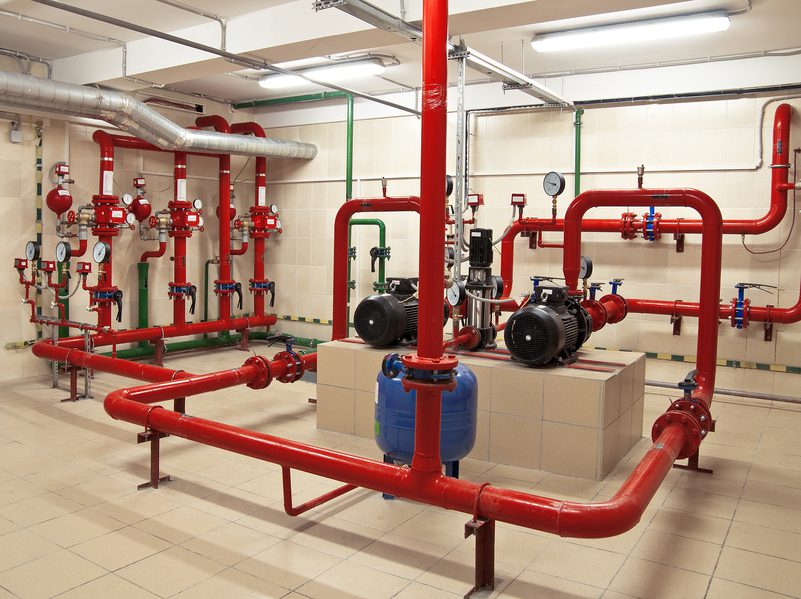
In the fast-paced world of plumbing design, staying up-to-date with the latest trends and technologies is essential. With a focus on water conservation and eco-friendly practices, new advancements in plumbing systems are revolutionizing the industry. From innovative approaches to greywater reuse to cutting-edge water-saving fixtures, these trends are transforming the way we think about
Read More
Introduction In the ever-evolving world of architecture and construction, MEP (Mechanical, Electrical, and Plumbing) design services play a pivotal role in the success of any building project. From ensuring efficient ventilation to providing reliable electrical systems, MEP design services are critical in creating functional and sustainable structures. But what exactly makes these services so essential?
Read More