
- Mon-Fri 9am-5pm
- [email protected]
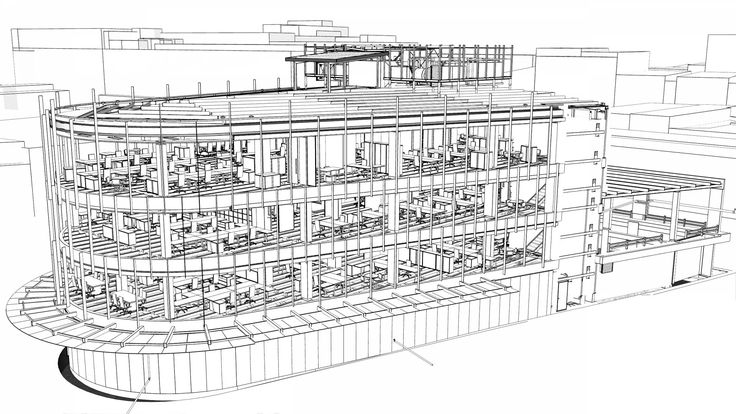
In the dynamic and ever-evolving world of construction and architecture, the term “structural engineering” holds a position of paramount importance. It is the unsung hero behind the mesmerizing skyscrapers, iconic bridges, and resilient structures that define our modern landscapes. At InnoDez, a leading structural consulting firm with a focus on California, Texas, and Florida, we
Read More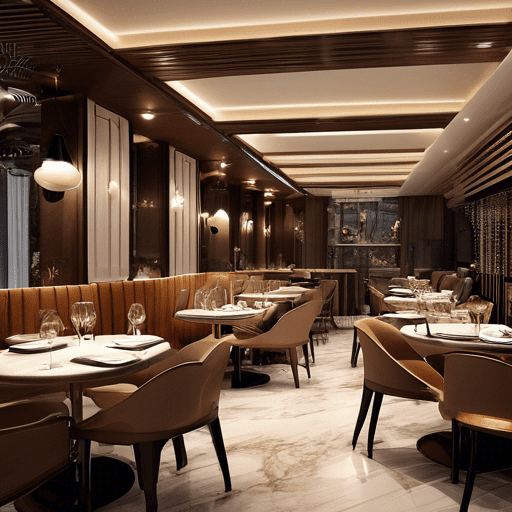
In the world of culinary experiences, a restaurant’s appeal goes far beyond the menu—it encompasses the ambiance, comfort, and overall dining environment. This is where MEP (Mechanical, Electrical, and Plumbing) engineering comes into play. The art of restaurant MEP design plays a pivotal role in creating the perfect dining atmosphere. At InnoDez, a trusted name
Read More
In the world of hospitality, where every detail matters, efficiency is the cornerstone of success. MEP (Mechanical, Electrical, and Plumbing) engineering plays a pivotal role in elevating efficiency to new heights in hotels. At InnoDez, a trusted name in MEP engineering, we understand the unique challenges and opportunities that hotels present. With a rich history
Read More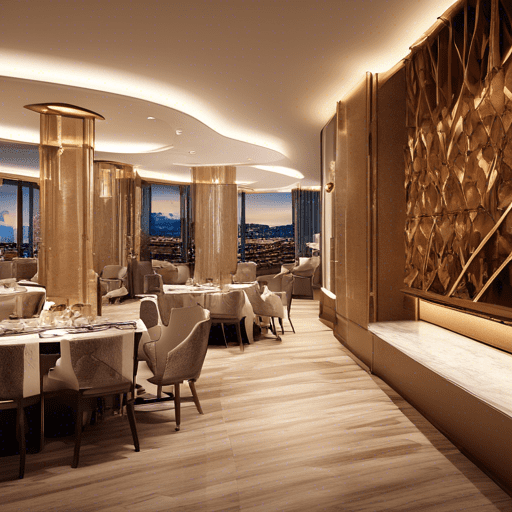
In the competitive world of hospitality, success is not just about offering great service and delicious food; it’s also about creating the perfect environment for guests. MEP (Mechanical, Electrical, and Plumbing) engineering plays a pivotal role in achieving this balance for both hotels and restaurants. At InnoDez, a trusted name in MEP engineering, we have
Read More
In the world of hospitality, restaurants are more than just places to enjoy a meal. They are spaces where culinary experiences come to life, and every detail matters. One crucial aspect that often goes unnoticed but plays a significant role in the overall dining experience is restaurant ventilation. MEP (Mechanical, Electrical, and Plumbing) engineering is
Read More
In the ever-evolving landscape of hospitality, guest comfort remains paramount. An integral part of ensuring a pleasant guest experience is the HVAC (Heating, Ventilation, and Air Conditioning) system, which is a core component of MEP (Mechanical, Electrical, and Plumbing) engineering in hotels. At InnoDez, a leader in MEP engineering, we have a rich history of
Read More
In the dynamic world of hospitality, where guest experiences are paramount, mastering MEP (Mechanical, Electrical, and Plumbing) design is essential for hotels and restaurants. The intricacies of MEP engineering shape the comfort, efficiency, and safety of these establishments. At InnoDez, a leading MEP engineering firm, we bring a wealth of experience to the table, having
Read More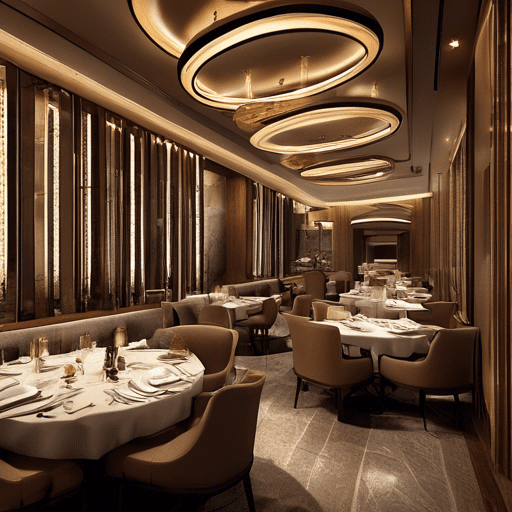
In the world of hospitality, creating exceptional experiences for guests is the ultimate goal. It’s not just about providing a place to stay or dine; it’s about crafting spaces that leave lasting impressions. Behind the scenes, MEP (Mechanical, Electrical, and Plumbing) engineering plays a pivotal role in achieving excellence in both hotels and restaurants. At
Read More
In the world of hospitality, providing guests with a memorable and comfortable experience is paramount. From luxurious suites to fine dining restaurants, hotels strive to offer the best amenities and services. One crucial aspect that plays a pivotal role in achieving this goal is MEP (Mechanical, Electrical, and Plumbing) engineering. InnoDez, a leader in MEP
Read More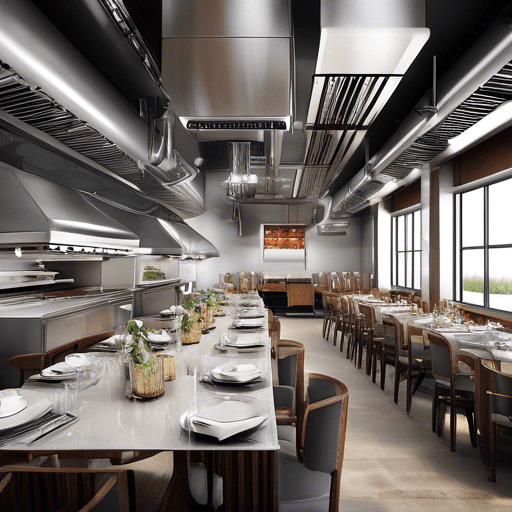
When it comes to dining out, it’s not just about the food and ambiance; the quality of the air you breathe plays a vital role in your overall experience. Poor ventilation can lead to discomfort, lingering odors, and even health concerns. That’s where MEP (Mechanical, Electrical, and Plumbing) engineering comes into play. InnoDez, a trusted
Read More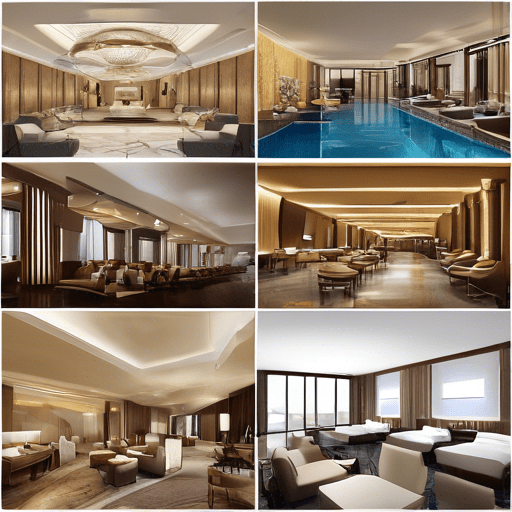
When travelers check into a hotel, they expect more than just a place to sleep. They seek an unforgettable experience that includes comfort, convenience, and a touch of luxury. Behind the scenes, MEP (Mechanical, Electrical, and Plumbing) engineering plays a pivotal role in shaping these experiences. InnoDez, a trusted leader in MEP engineering, has a
Read More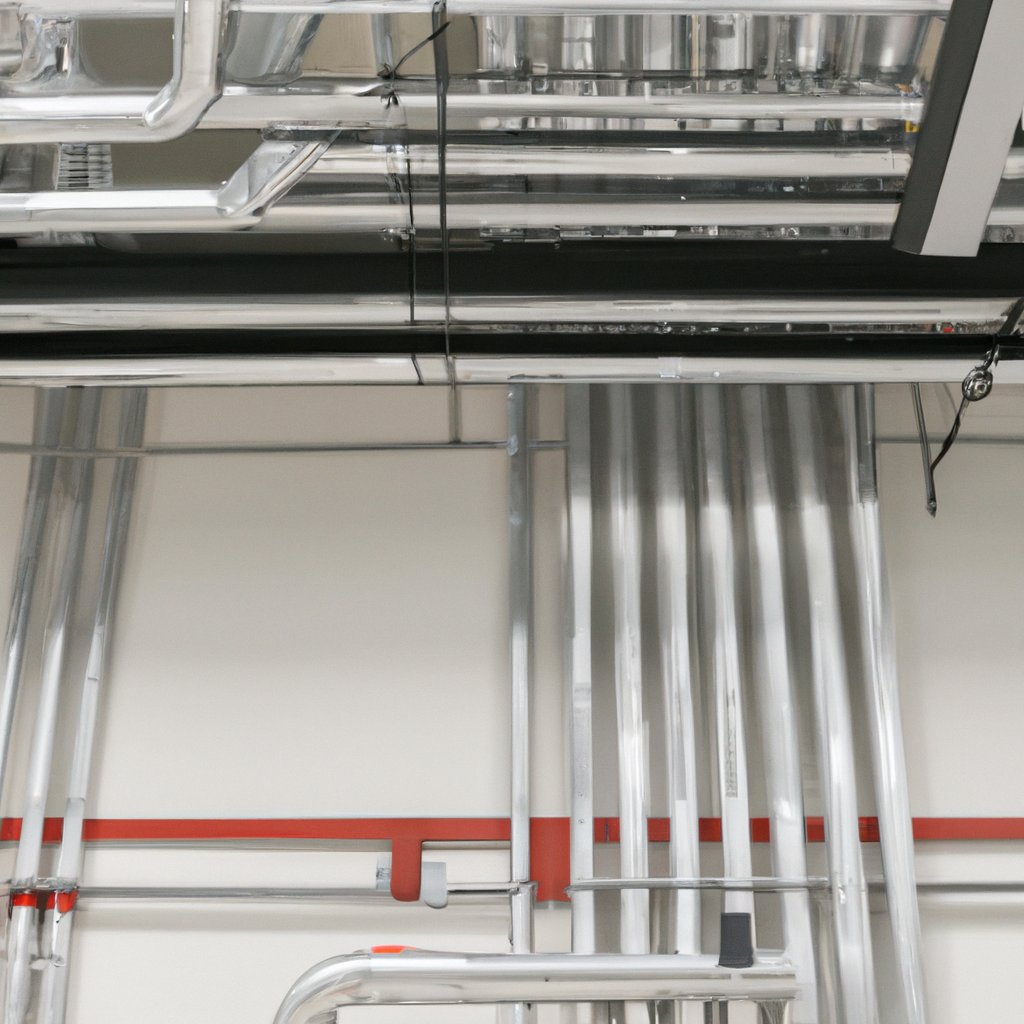
Introduction: In today’s rapidly changing world, the importance of efficient MEP (Mechanical, Electrical, and Plumbing) systems in building design cannot be overstated. These systems are the lifeline of any structure, ensuring comfort, safety, and functionality. In this blog, we will delve into the myriad benefits of implementing efficient MEP systems in buildings, highlighting why MEP
Read More