
- Mon-Fri 9am-5pm
- [email protected]
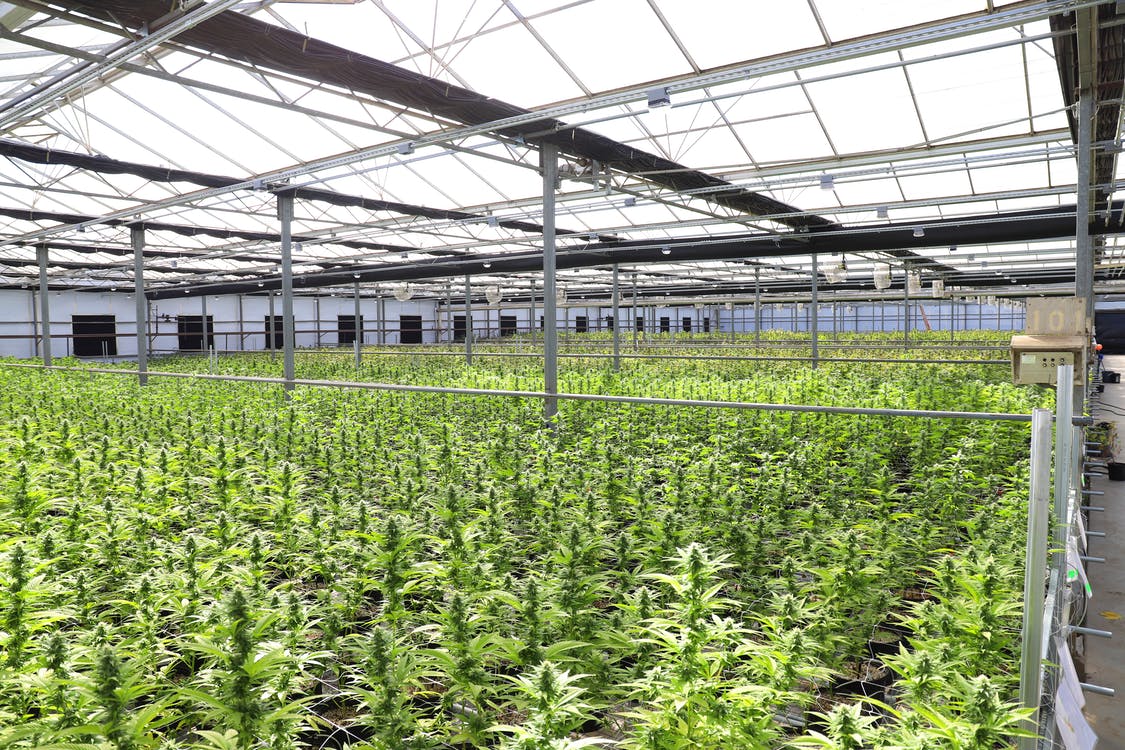
HVAC ventilation design strategies can be the difference between the failure or success of a cannabis cultivation facility. Currently, HVAC designers are dependent on manufacturers with flourishing applications since the ASHRAE is yet to establish guidelines for this emerging industry. As a result, the strategies for HVAC design for cannabis cultivation facilities vary greatly to
Read More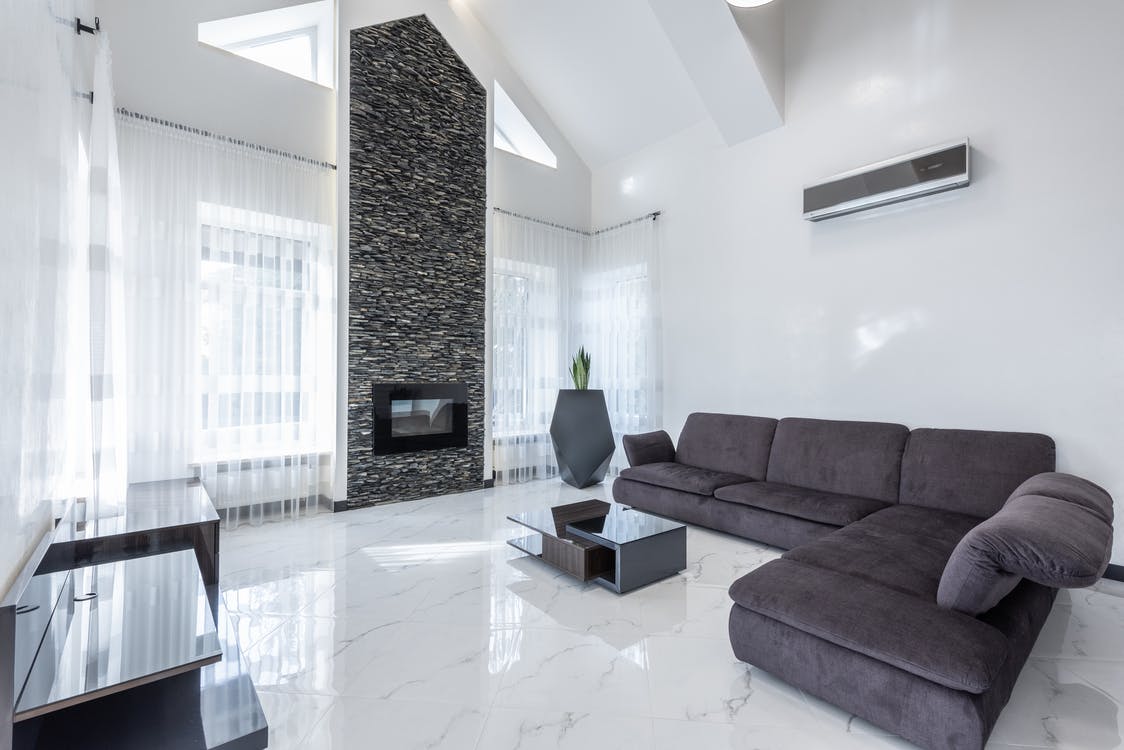
Managing energy costs is essential for your business survival if you’re a multi-family residence or apartment complex owner that includes utilities in the rental charges. If the utility expenses are too, you’re highly likely to make losses from the rental property. Moreover, this can make it difficult to compete with larger operations since the utilities
Read More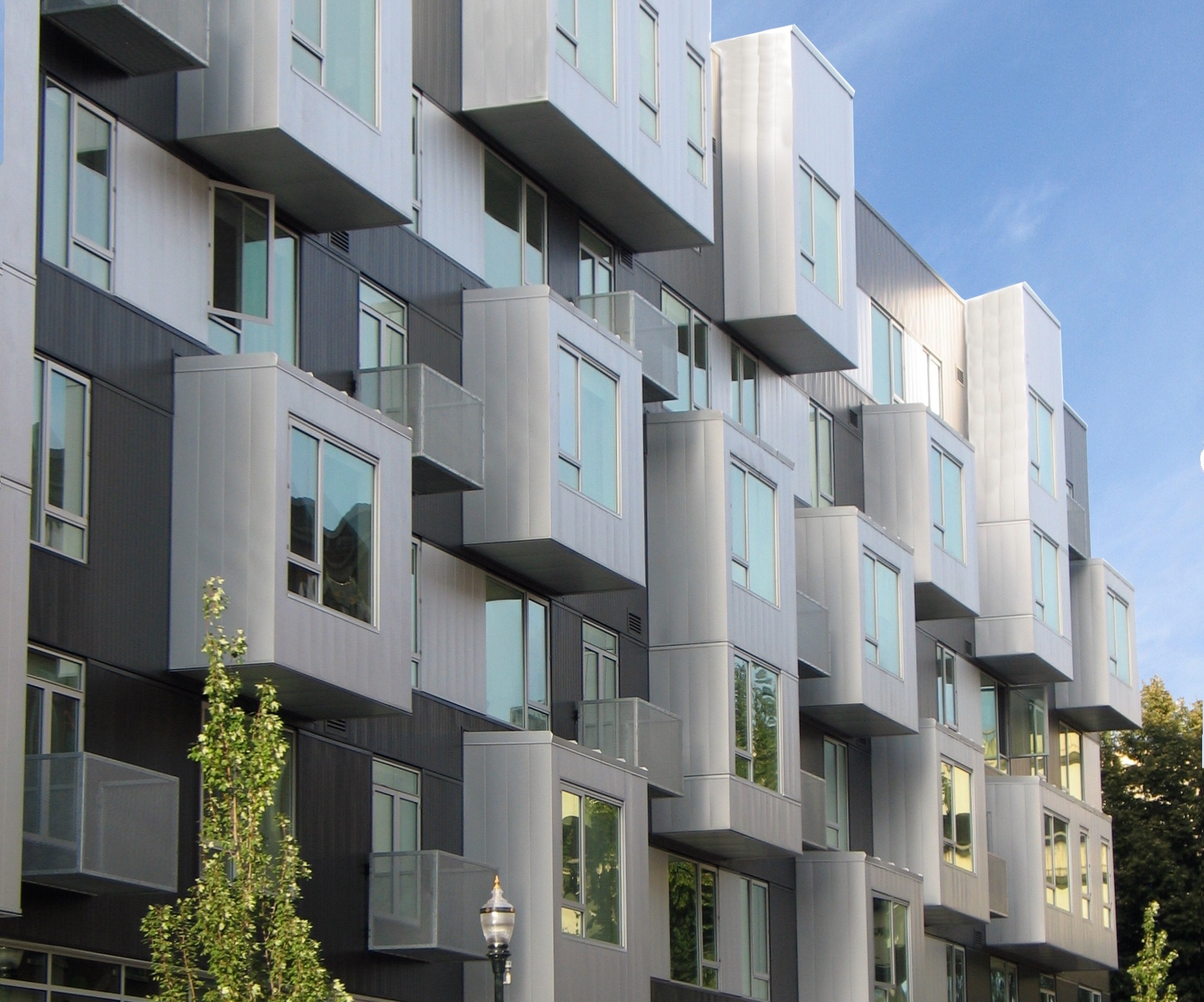
Multifamily buildings consist of several separate residential units that are either stacked (high-rise) or side by side. Whichever the case, these buildings are treated as commercial buildings due to their scale. As a result, their construction involves commercial contractors, multidisciplinary design teams, and large-scale commercial MEP systems. Like any other commercial structures, multifamily buildings have
Read More
Condos and apartments tend to have unique cooling and heating needs. However, meeting these needs to provide comfort to the tenants may end up costing you too much money. That’s why you should consider implementing an HVAC design for multifamily residential buildings that work for your property. Specifically, you should be looking at the following
Read More
The type of HVAC system you choose for the multi-family building is crucial since it tends to have long-term implications. Besides, the HVAC system ensures the comfort of the indoor spaces, and tenants want as much control over the comfort as possible. Unfortunately, achieving the cooling and heating needs of several families can be energy
Read More
Several factors come into play when you’re designing or renovating commercial kitchens and restaurants. Besides, the type of dining space may range from high-end restaurants and coffee shops to cafeterias in a healthcare facility. Each of these spaces has its own set of benefits and challenges. However, regardless of the type of foodservice facility, proper
Read More
Proper ventilation is a crucial part of the MEP design of any restaurant business. After all, the kitchen is considered the most important part of any restaurant business. The most complex part of creating a commercial kitchen design is installing the proper CKV system and finding the right hood vent for the restaurant. So, how
Read More
Commercial kitchen ventilation design has been a challenge to MEP design engineers for years. Part of the design challenge occurs due to the fact most MEP engineers are not ‘kitchen consultants’ All in all, significant coordination is needed to make sure that the restaurant ventilation is integrated with the activities of the kitchen exhaust systems
Read More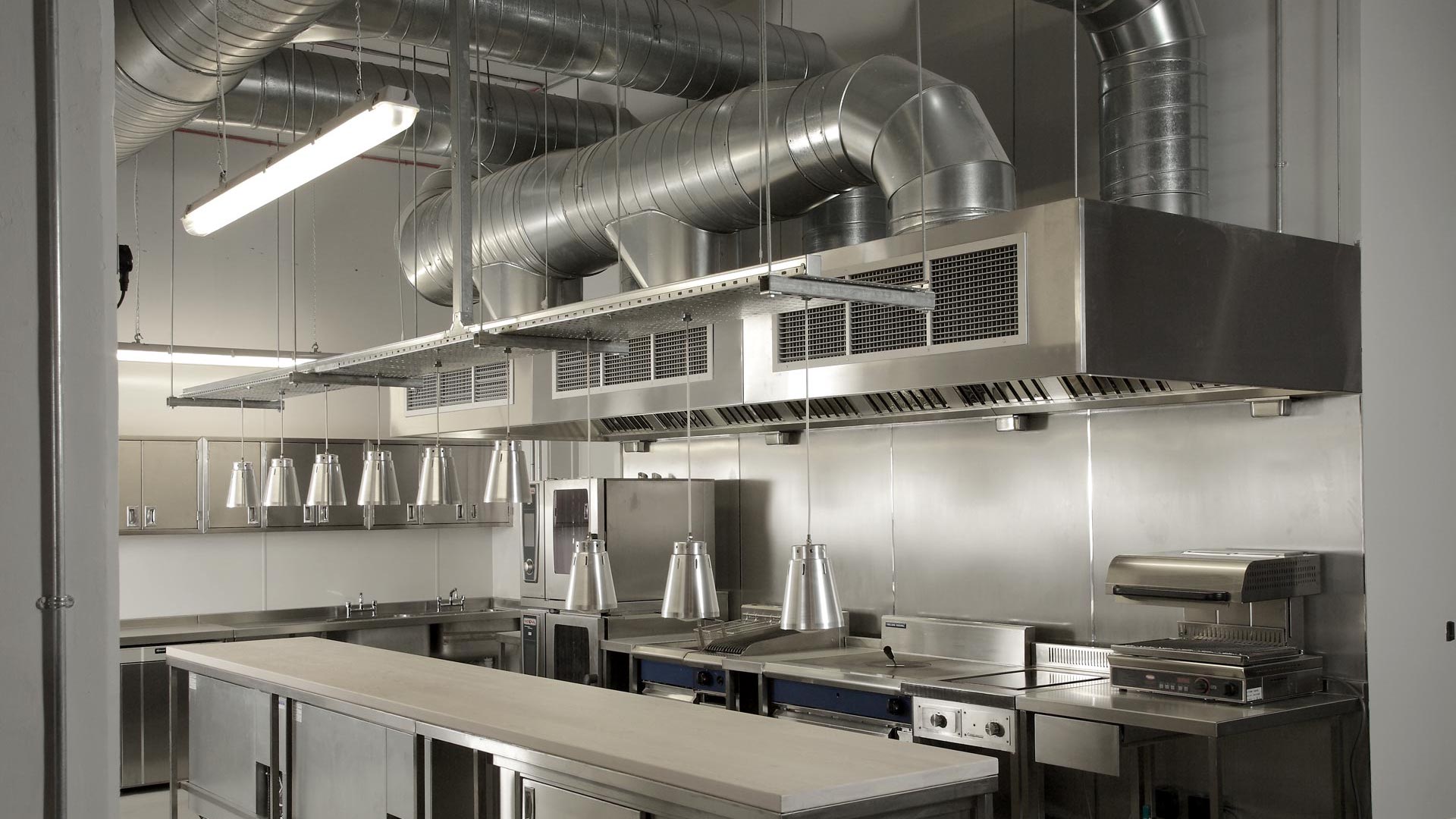
Commercial kitchens are the heart & soul of every foodservice establishment since they provide a way of preparing food for many people in large quantities. Due to this high volume of service, such establishments need proper design, installation, operation, and maintenance of commercial kitchen ventilation design systems. Commercial kitchen HVAC systems effectively manage odors, moisture,
Read More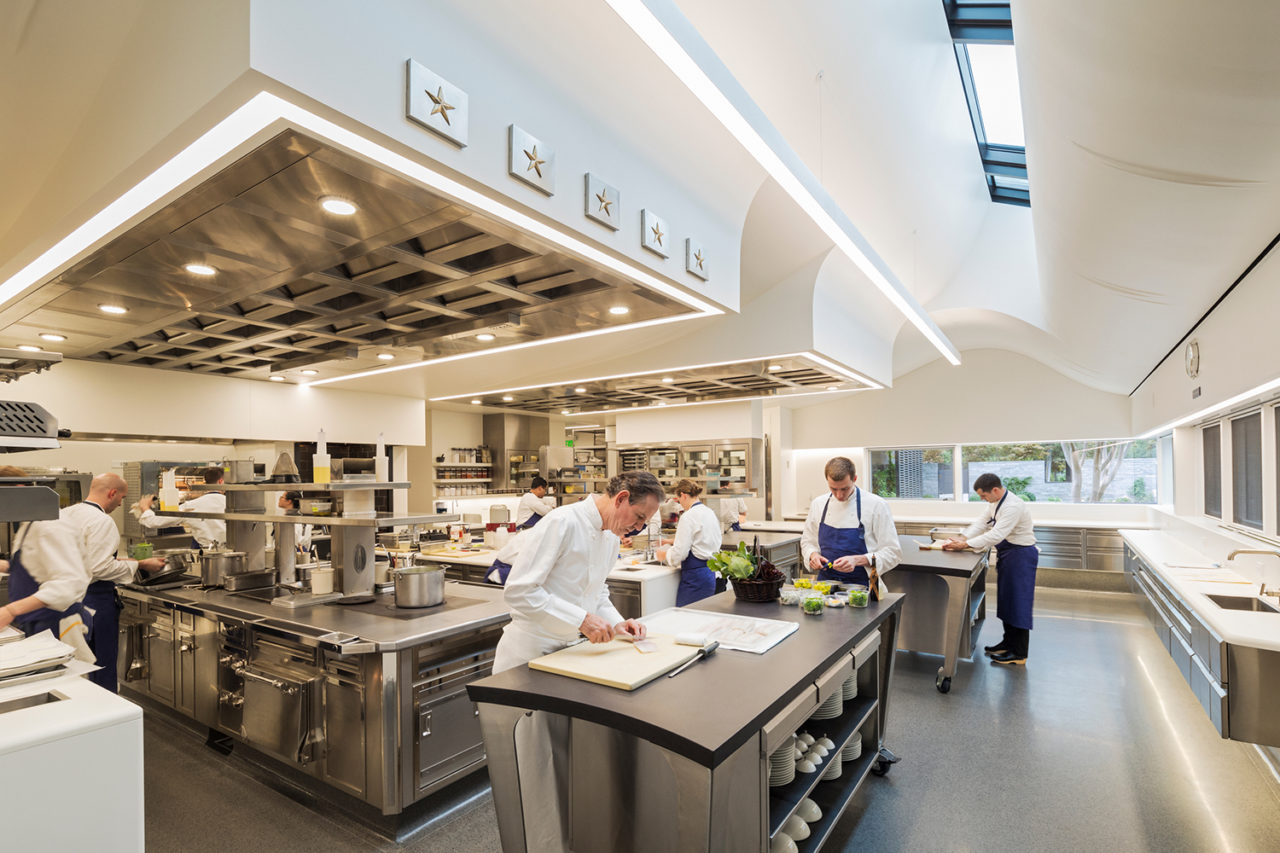
HVAC design for restaurants has more requirements compared to the design guidelines of the standard non-food preparation commercial facilities. Nonetheless, like any other conventional HVAC system, they have a 2-section process. Simply put, restaurant HVAC design has a make-up air system to allow outdoor air into the facility and a separate heating/ cooling device to
Read More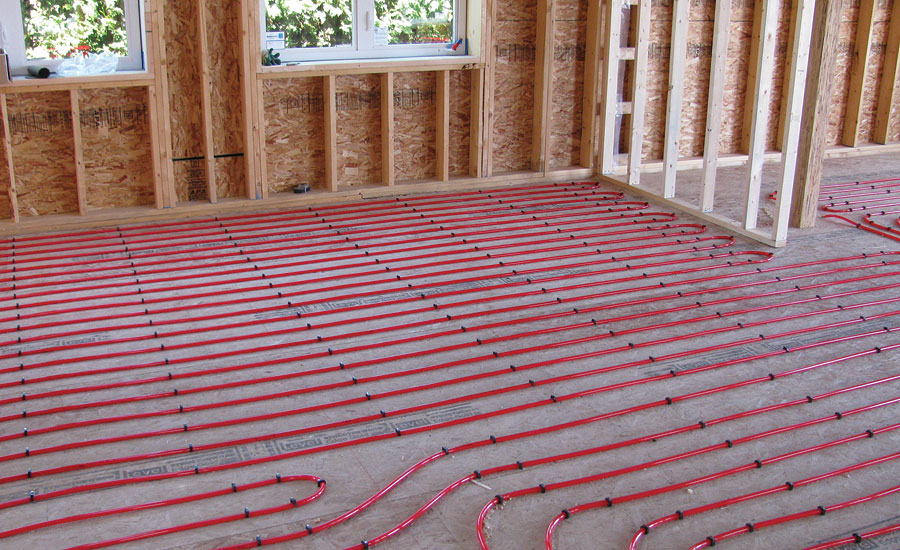
Introduction Forced-air HVAC systems are still the predominant technique of cooling and heating commercial buildings in the US. However, radiant heating & cooling systems are emerging as part of high-performance buildings. For starters, radiant systems transfer energy through a surface that contains piping with cooled/ warmed water or a mix of water and glycol. As
Read More
Introduction An average homeowner in the US spends around 45% of the total utility bills heating occupied spaces within their home. So, if you’re planning to start a remodeling project or build a new house, heating is one of the most important factors you need to consider. In that regard, there are 2 popular options
Read More