
- Mon-Fri 9am-5pm
- [email protected]

In the world of construction and development, Mechanical, Electrical, and Plumbing (MEP) systems are the backbone of a building’s operational infrastructure. From HVAC installations to power distribution and water supply, these systems ensure that a structure is functional, safe, and efficient. Before construction begins, MEP drawings play a crucial role in visualizing and detailing these
Read More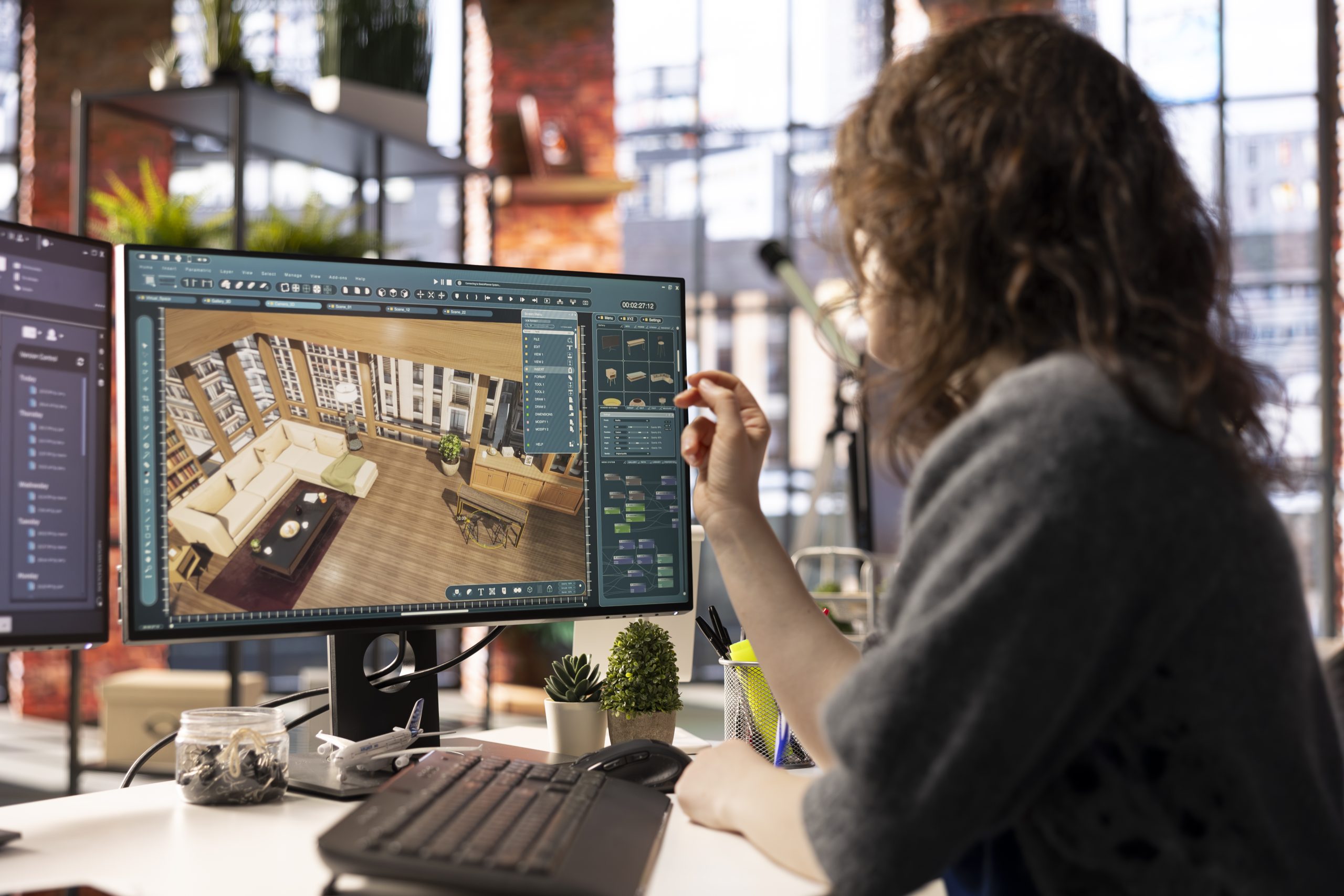
In the dynamic world of hospitality, success hinges on creating experiences that are both luxurious and reliable. Behind the elegant lobbies, tranquil suites, vibrant restaurants, and relaxing spas lies an intricate network of Mechanical, Electrical, and Plumbing (MEP) systems that ensure functionality, comfort, and safety. For hotels and resorts, custom MEP solutions are not a
Read More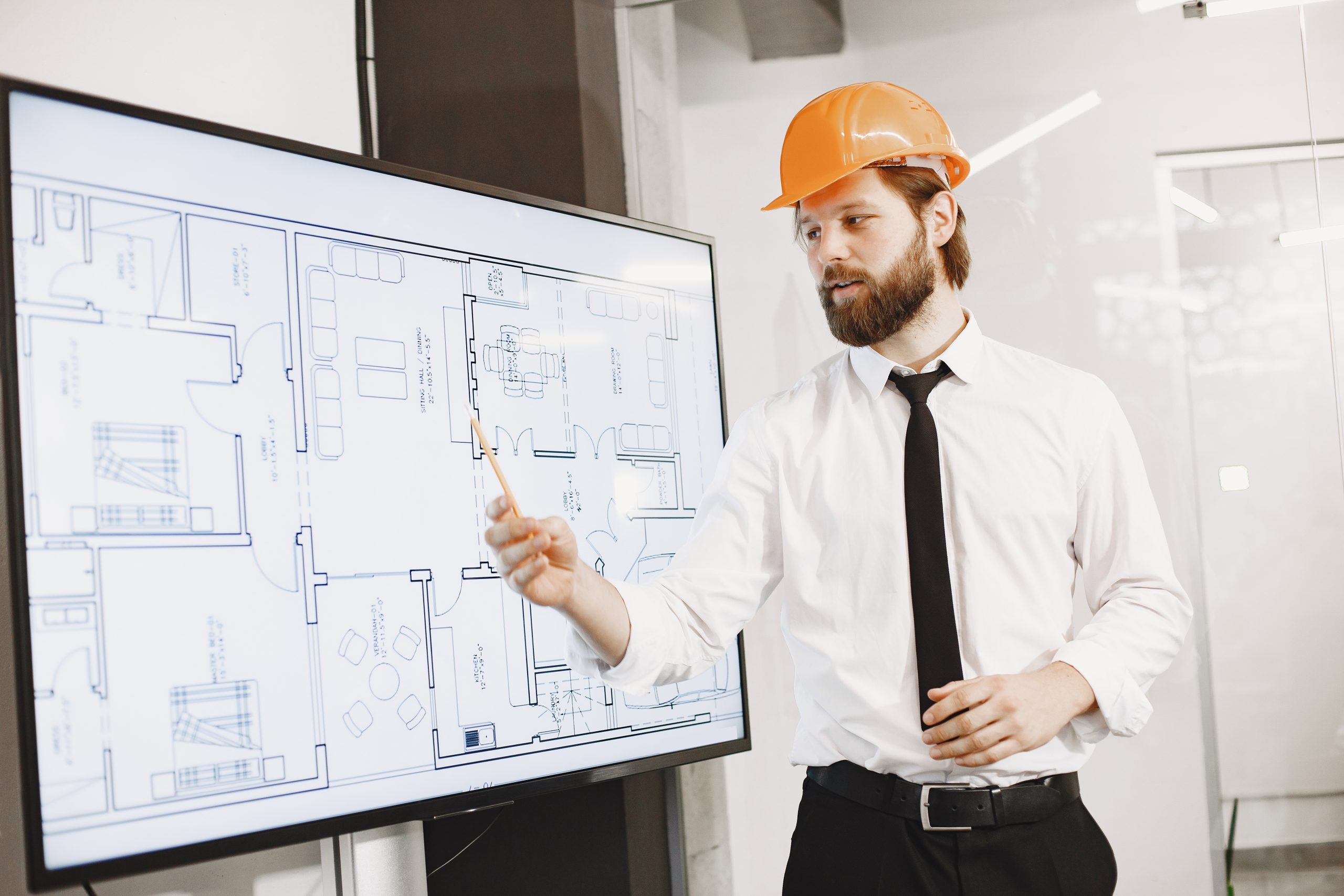
When embarking on a new building project—whether it’s a commercial complex, residential tower, hotel, or industrial facility—few aspects are as crucial to the long-term success and efficiency of the building as MEP design. Short for Mechanical, Electrical, and Plumbing, MEP systems are the lifeblood of any structure, ensuring comfort, functionality, safety, and sustainability. However, starting
Read More
In 2025, the landscape of real estate development continues to evolve rapidly. From sustainability mandates to smart building technologies, developers must navigate an increasingly complex regulatory environment to bring projects to life. One of the most critical—and often overlooked—aspects of any successful construction project is building code compliance. Ensuring compliance not only protects the safety
Read More
In the world of construction and architecture, success isn’t just about a stunning design or a state-of-the-art building—it’s about strategy, integration, and most importantly, foresight. Among the many components that come together to create a functional structure, Mechanical, Electrical, and Plumbing (MEP) systems stand at the core of operational efficiency and long-term sustainability. Yet, time
Read More
Introduction When embarking on any construction or renovation project, obtaining the necessary permits and meeting code compliance is not just a bureaucratic step — it is a legal requirement that ensures public safety, energy efficiency, and operational reliability. At the heart of this process is MEP design, which stands for Mechanical, Electrical, and Plumbing engineering.
Read More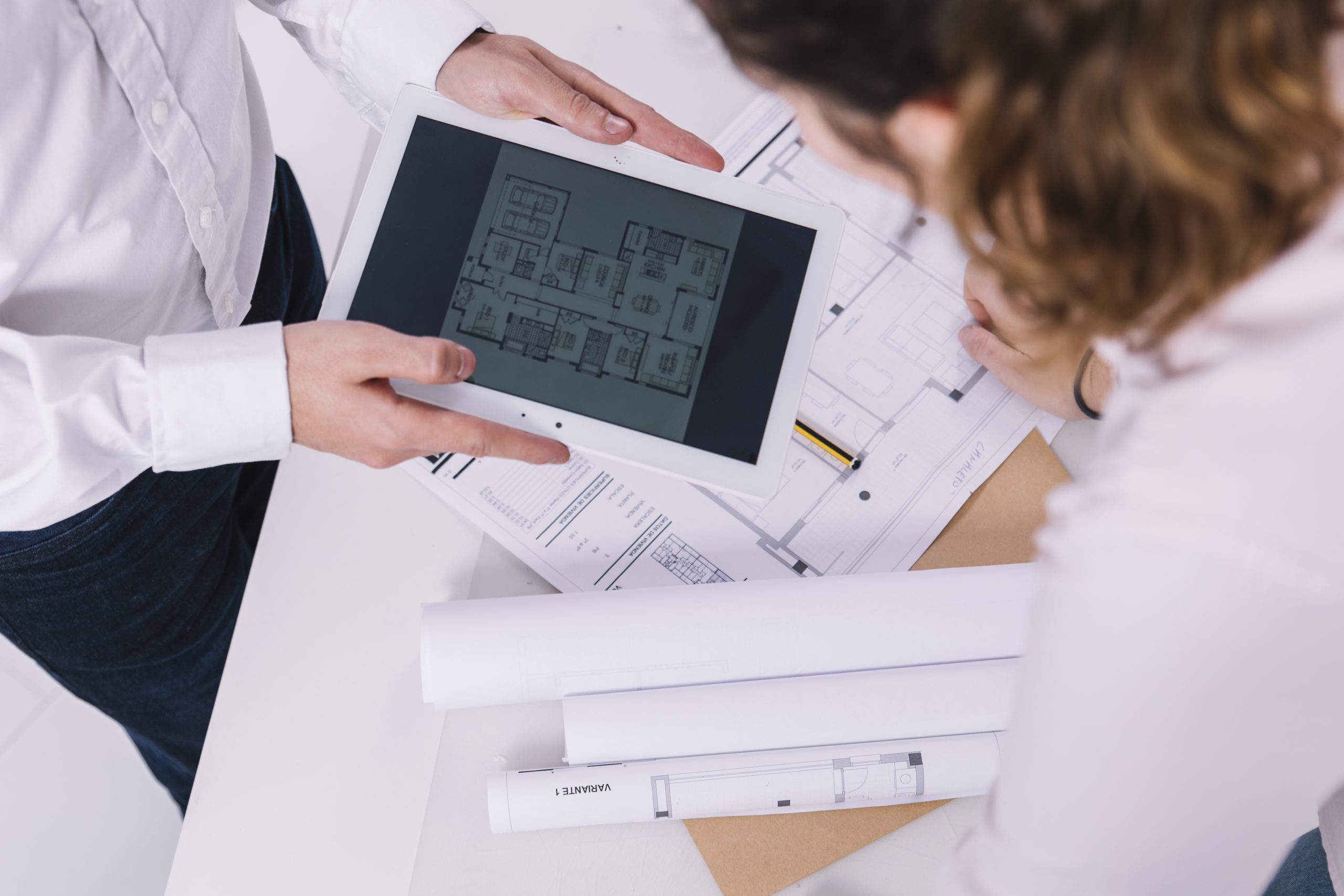
In the complex and fast-paced world of construction, Mechanical, Electrical, and Plumbing (MEP) design plays a pivotal role in determining the functionality, safety, and sustainability of any building. Whether it’s a commercial tower, a multi-family development, a restaurant, or a hotel, getting the MEP design right is critical for project success. However, for many builders
Read More
In today’s fast-paced and increasingly competitive real estate market, property owners, developers, and investors are constantly searching for ways to enhance the value, performance, and sustainability of their buildings. One of the most overlooked—but absolutely critical—factors in achieving these goals is high-quality MEP (Mechanical, Electrical, and Plumbing) design. MEP systems are more than just functional
Read More
Mechanical, Electrical, and Plumbing (MEP) systems form the backbone of any modern building. They ensure that essential services such as heating, ventilation, air conditioning (HVAC), electrical power, lighting, water supply, and sanitation are functioning efficiently and safely. For building owners and facility managers, understanding MEP system maintenance and upgrades is not just a matter of
Read More
Mechanical, Electrical, and Plumbing (MEP) systems are essential components of any building, ensuring occupant comfort, safety, and functionality. However, these systems can contribute significantly to overall construction and operational costs. Reducing MEP system costs without sacrificing quality is a critical challenge for developers, engineers, and contractors. By implementing strategic design approaches, leveraging advanced technologies, and
Read More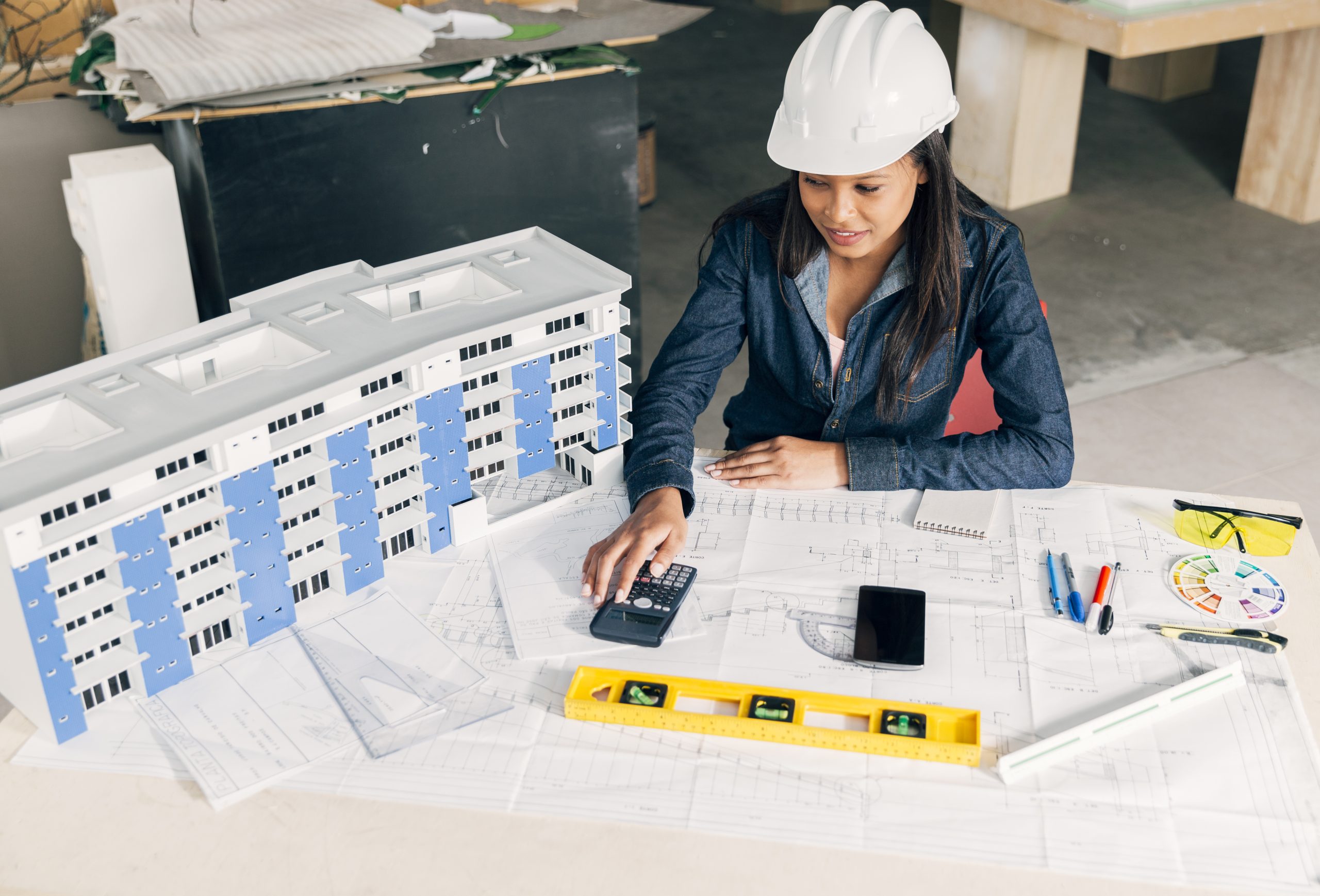
In the world of construction, the seamless integration of mechanical, electrical, and plumbing (MEP) systems is critical to a project’s success. Proper MEP coordination ensures that these essential building systems function efficiently, remain cost-effective, and comply with local codes and regulations. Without it, projects can face costly delays, safety hazards, and long-term operational inefficiencies. This
Read More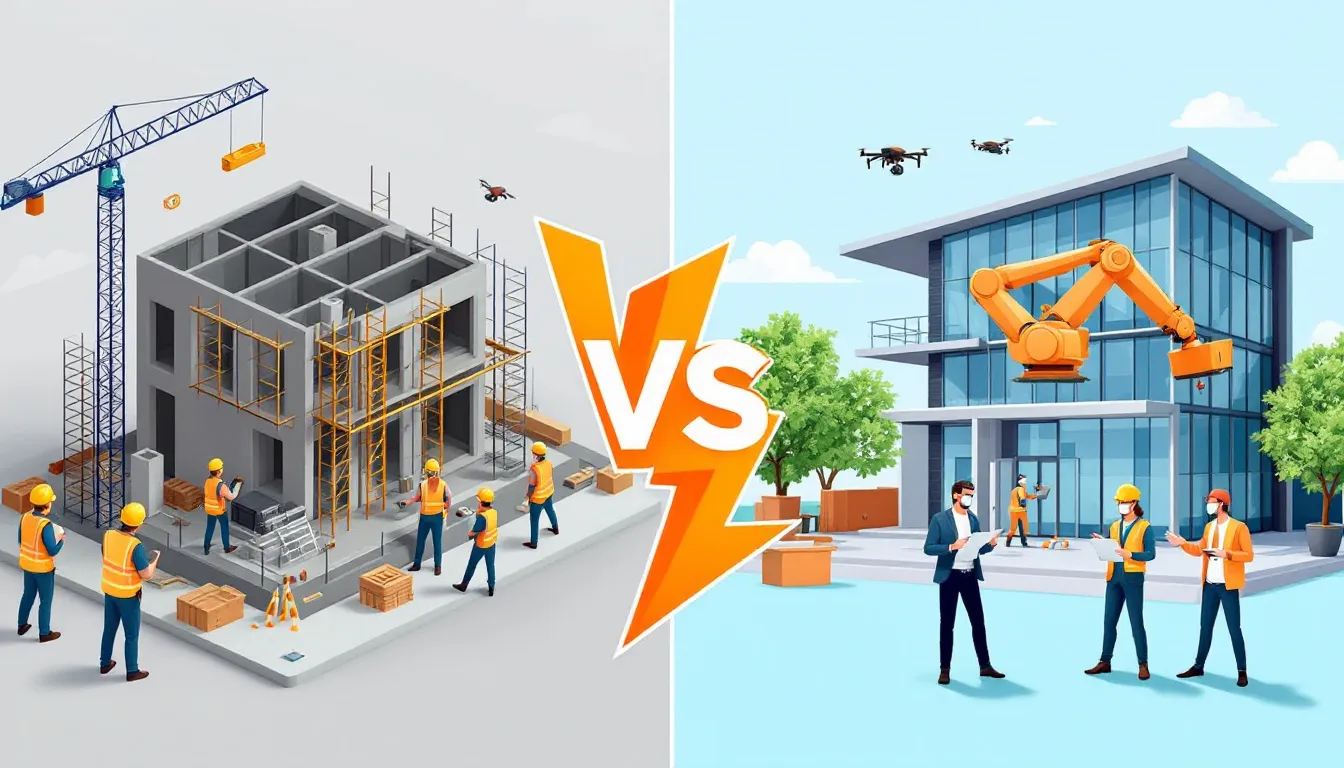
Trying to decide between Design Build vs Traditional Construction for your project? This article breaks down the key differences, benefits, and factors to consider for each method. By understanding these, you can make an informed choice tailored to your project’s specific needs. Key Takeaways Understanding Design-Build and Traditional Construction Traditional construction uses the Design-Bid-Build method,
Read More