
- Mon-Fri 9am-5pm
- [email protected]

Air quality is one of the most critical factors influencing a building’s comfort, safety, and overall health impact on its occupants. Poor indoor air quality (IAQ) has been linked to a range of health issues, from respiratory ailments to cognitive difficulties, and in workplaces, it can affect productivity and morale. Mechanical, Electrical, and Plumbing (MEP)
Read More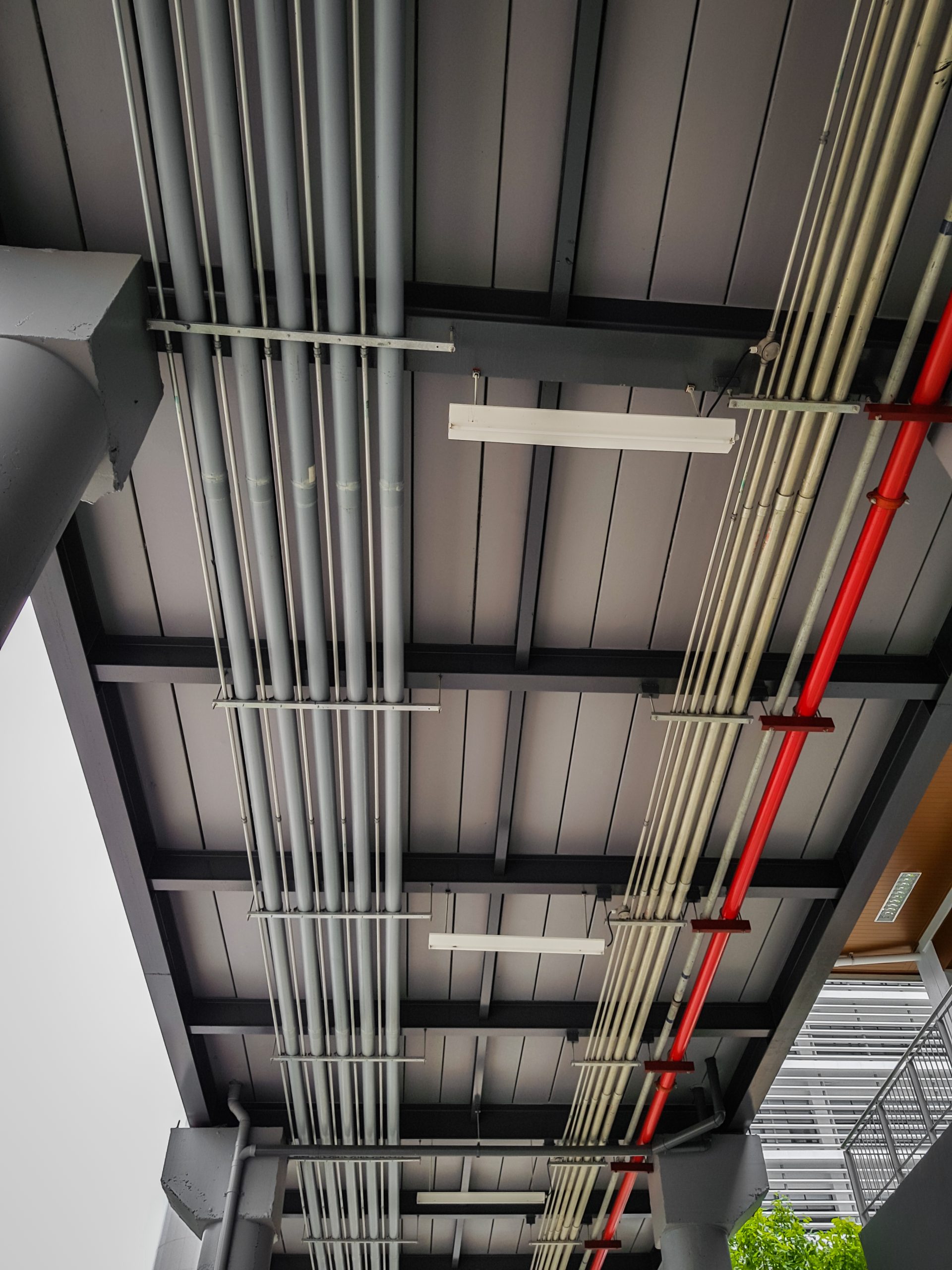
In an era defined by environmental challenges, sustainable construction practices are no longer a mere trend—they are a necessity. Mechanical, Electrical, and Plumbing (MEP) systems are the core of any building, responsible for heating, cooling, water supply, electrical distribution, and ventilation. Traditionally, MEP design has been function-focused; however, as architects, engineers, and clients recognize the
Read More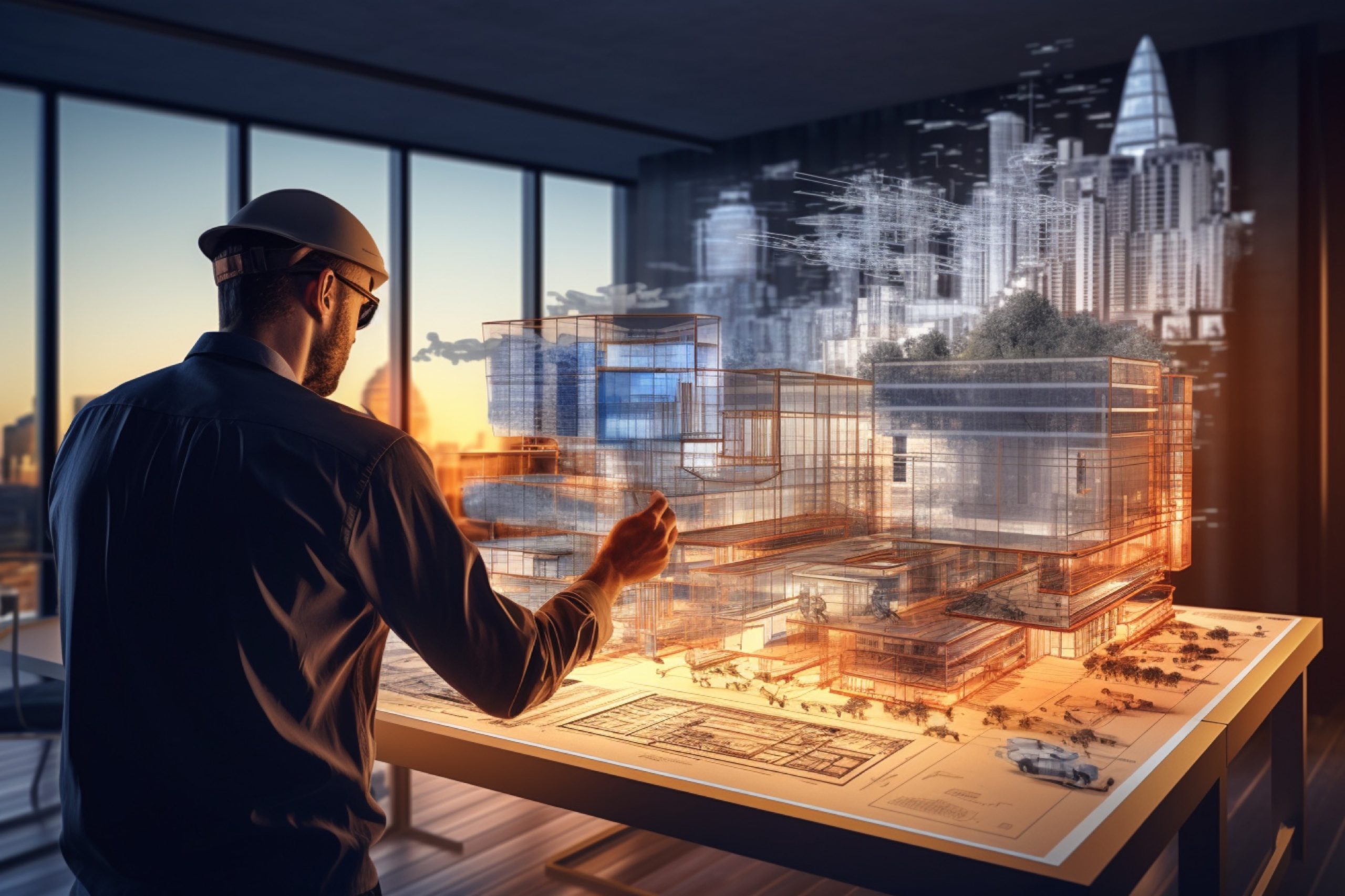
The construction industry is undergoing a remarkable transformation driven by technological innovations and changing demands for faster, more efficient building processes. One key advancement leading this change is modular Mechanical, Electrical, and Plumbing (MEP) systems. Unlike traditional on-site installations, modular MEP systems involve the pre-assembly of components in a controlled environment, such as a factory,
Read More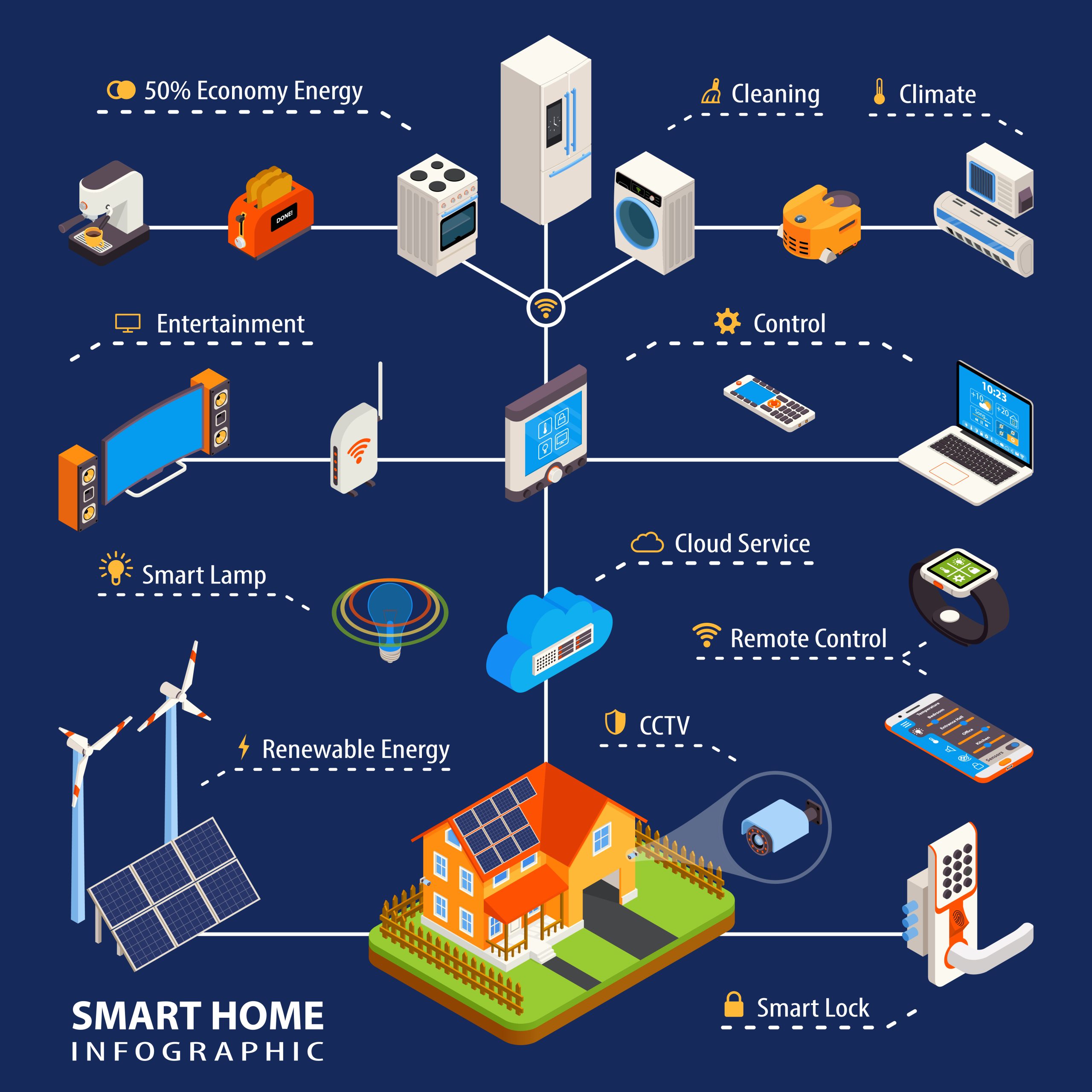
As buildings increasingly adopt renewable energy and energy storage solutions, there is a corresponding shift toward decentralized energy models that prioritize resilience, sustainability, and efficiency. Smart grids—intelligent energy systems that integrate data-driven management and two-way energy flows—are at the heart of this transformation. Smart grids connect diverse energy sources and consumers, facilitating efficient energy exchange,
Read More
As the global shift toward renewable energy sources accelerates, buildings of all types—from residential complexes to commercial facilities—are increasingly relying on battery storage systems (BSS) to ensure energy resilience and efficiency. Battery storage systems allow buildings to store energy during low-demand or peak production times and use it when demand rises or renewable sources like
Read More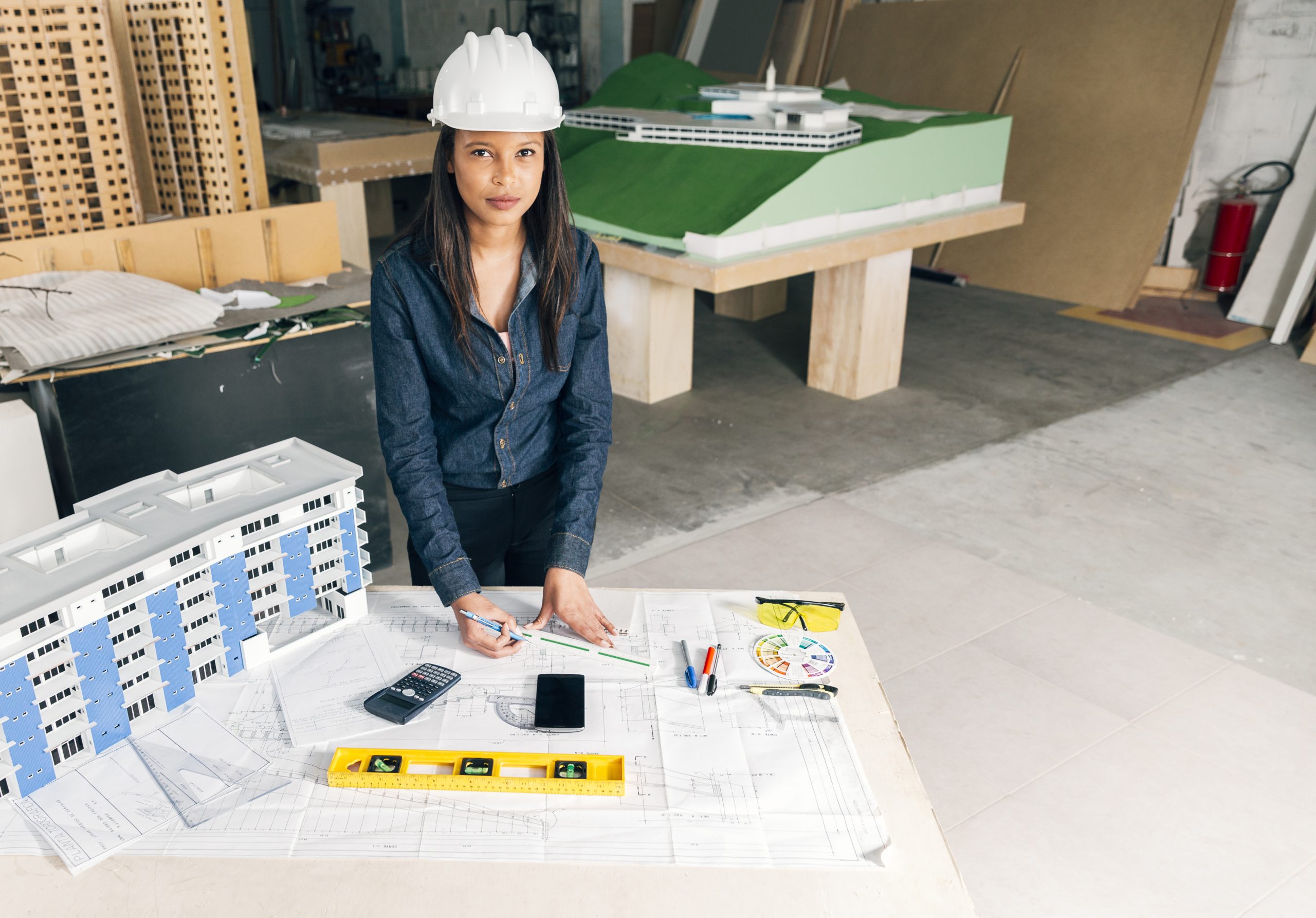
In the fast-paced world of construction, prefabrication is gaining traction as a transformative approach that enhances project timelines, quality control, and resource efficiency. For Mechanical, Electrical, and Plumbing (MEP) engineering, prefabrication allows components to be manufactured off-site, assembled under controlled conditions, and transported to job sites for quick installation. This method enables improved quality, reduced
Read More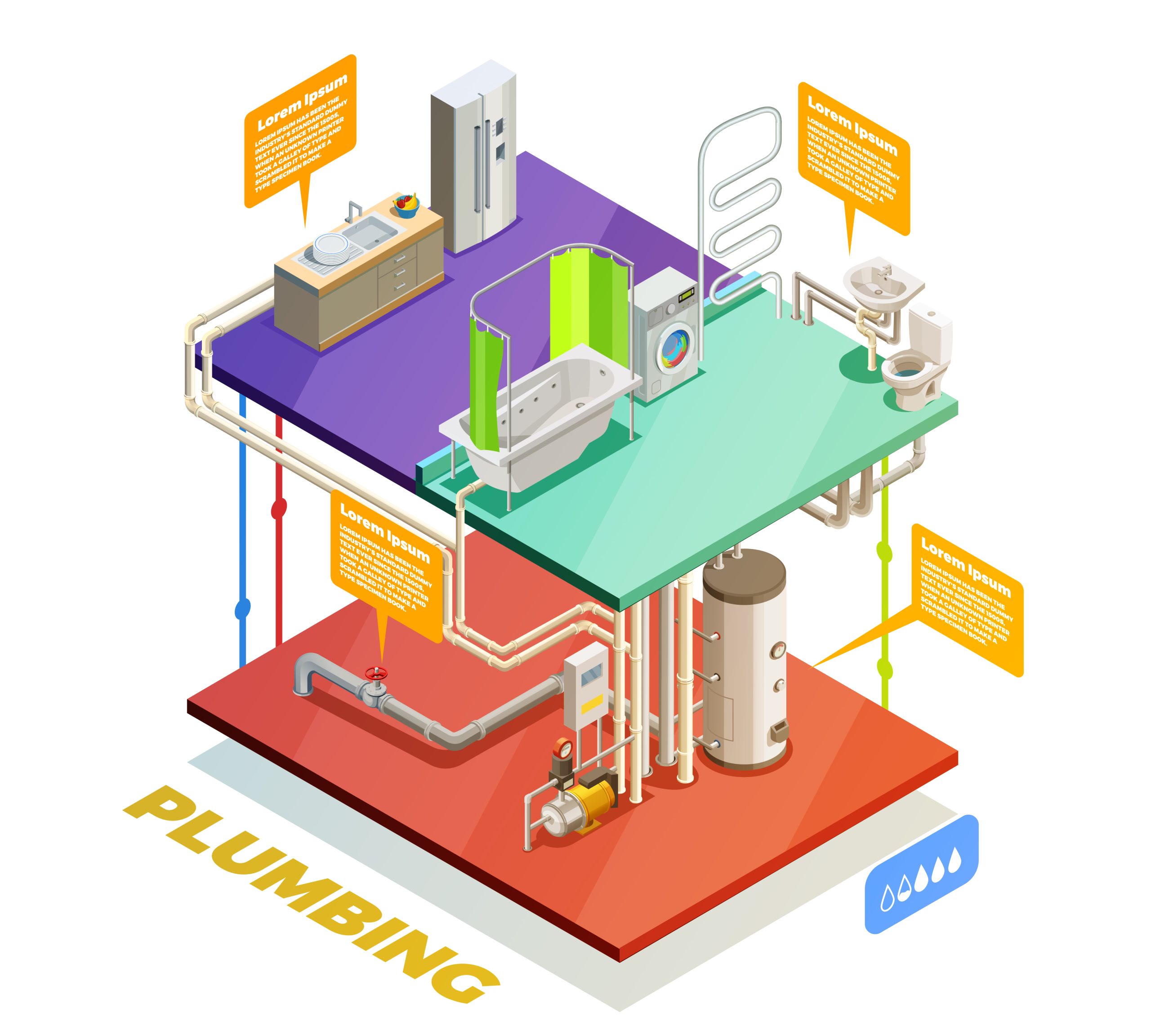
Modern building environments increasingly prioritize energy efficiency, sustainability, and occupant comfort—objectives that MEP (Mechanical, Electrical, and Plumbing) engineering seeks to fulfill through innovative system designs. One of the most effective methods for heating and cooling spaces in commercial and residential buildings is the use of hydronic systems. Hydronic systems use water as the primary heat
Read More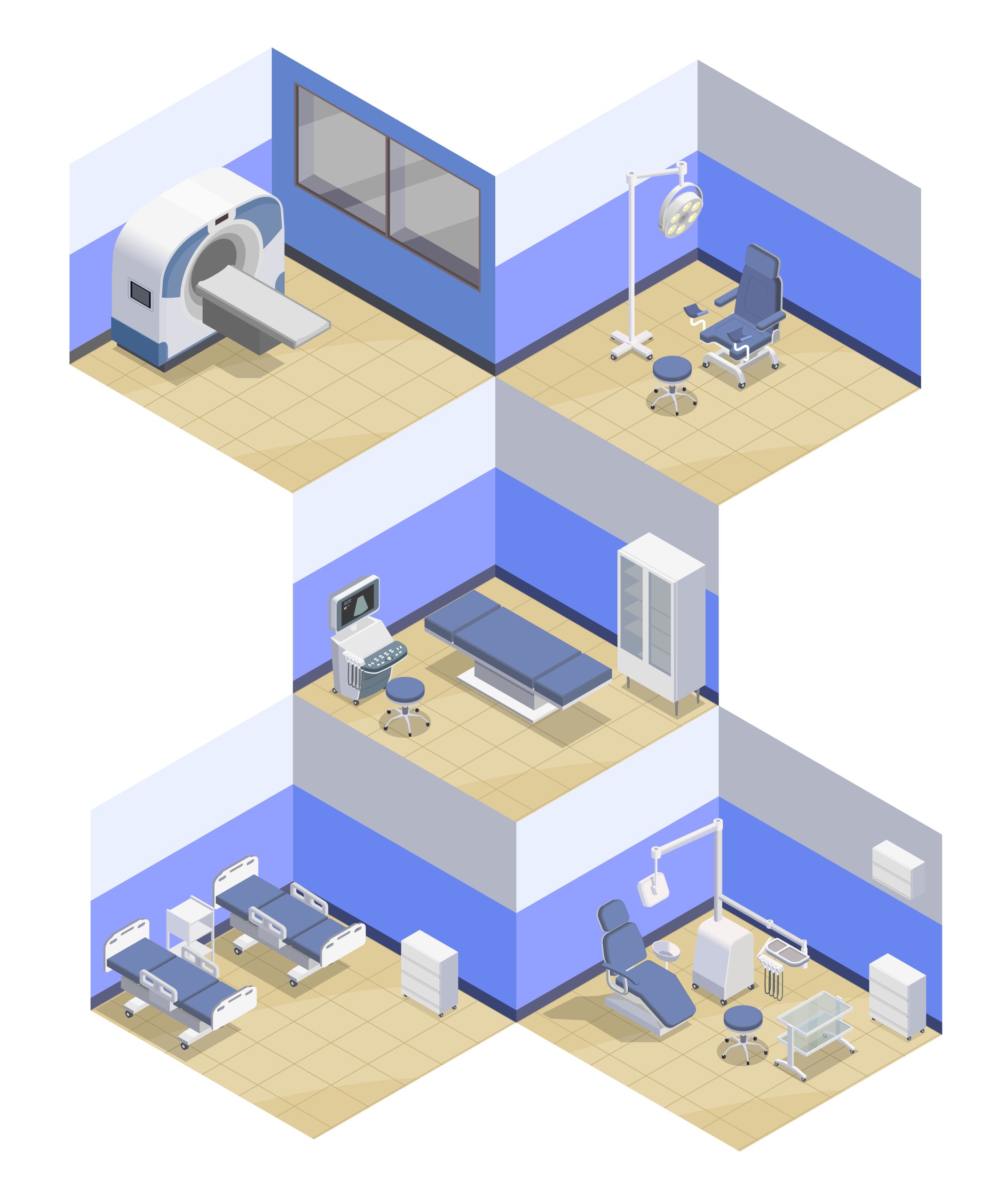
Discussing the Unique MEP Challenges in Healthcare Facilities, Including Medical Gas Systems, Infection Control, and Backup Power Systems Healthcare facilities, such as hospitals, clinics, and specialized medical centers, represent some of the most complex building environments due to the diverse infrastructure demands. These facilities must provide safe, reliable, and comfortable conditions for patients, staff, and
Read More
Discussing the Techniques MEP Engineers Use to Minimize Noise from Mechanical Systems, Such as HVAC and Plumbing Noise pollution is an often-overlooked aspect of building design, but it has a profound impact on the comfort and functionality of indoor spaces. Mechanical systems, including heating, ventilation, air conditioning (HVAC), plumbing, and electrical equipment, are significant contributors
Read More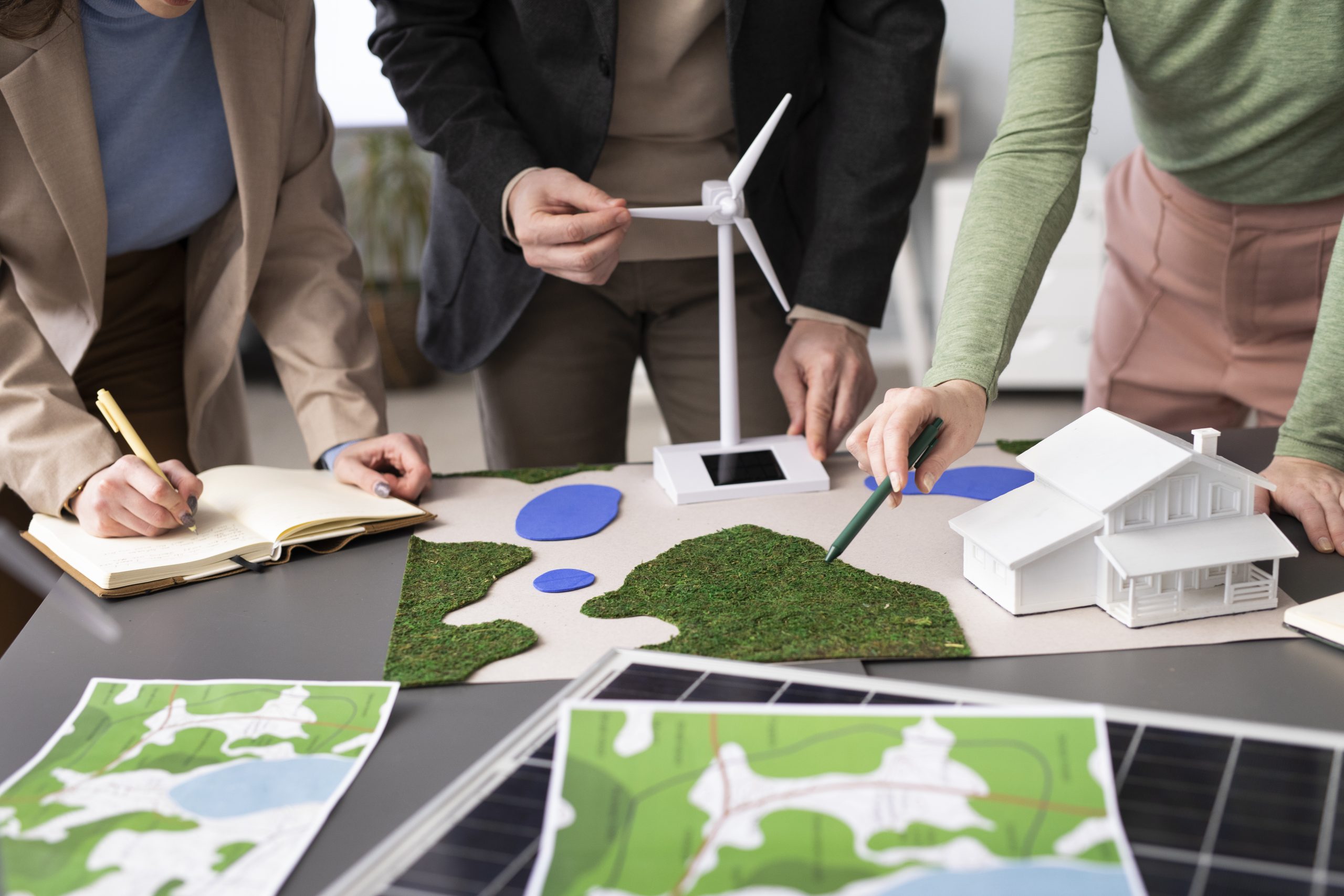
As the effects of climate change become increasingly evident, the need for buildings to withstand extreme weather events is paramount. Resilient design is no longer an option; it’s a necessity. Mechanical, Electrical, and Plumbing (MEP) systems play a critical role in ensuring that buildings can endure the stresses of climate change, such as hurricanes, floods,
Read More
A Look at How Upgrading Mechanical, Electrical, and Plumbing Systems in Older Buildings Can Improve Efficiency and Sustainability As the world increasingly focuses on energy efficiency, sustainability, and climate action, the building sector has come under the spotlight. According to the International Energy Agency (IEA), buildings account for nearly 40% of global energy consumption and
Read More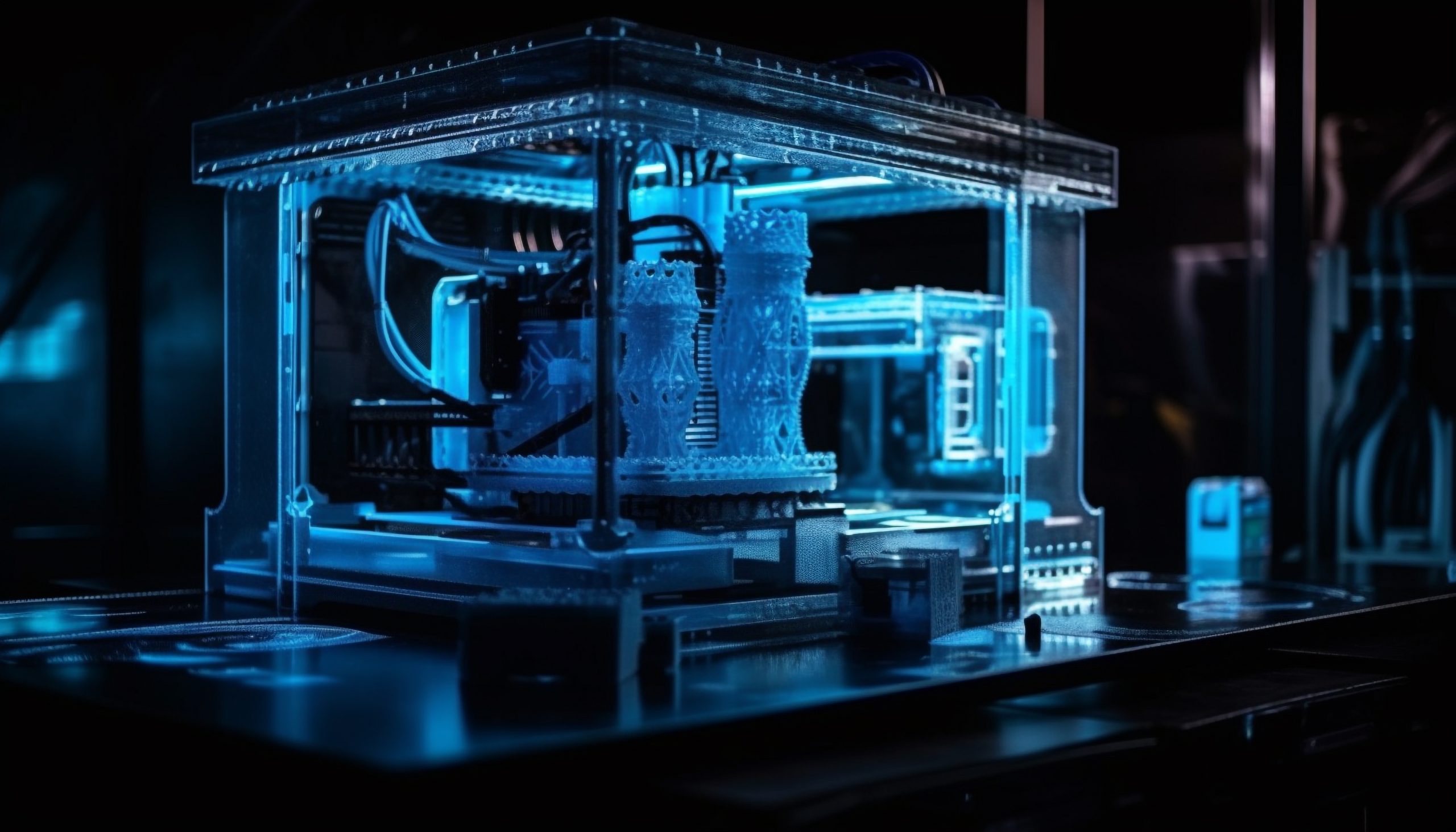
In the ever-evolving field of construction and engineering, technology continues to play a pivotal role in advancing design and fabrication processes. One of the most significant technological innovations in recent years has been the development of 3D printing, also known as additive manufacturing. This technology is increasingly being adopted in various sectors, including the mechanical,
Read More