
- Mon-Fri 9am-5pm
- [email protected]
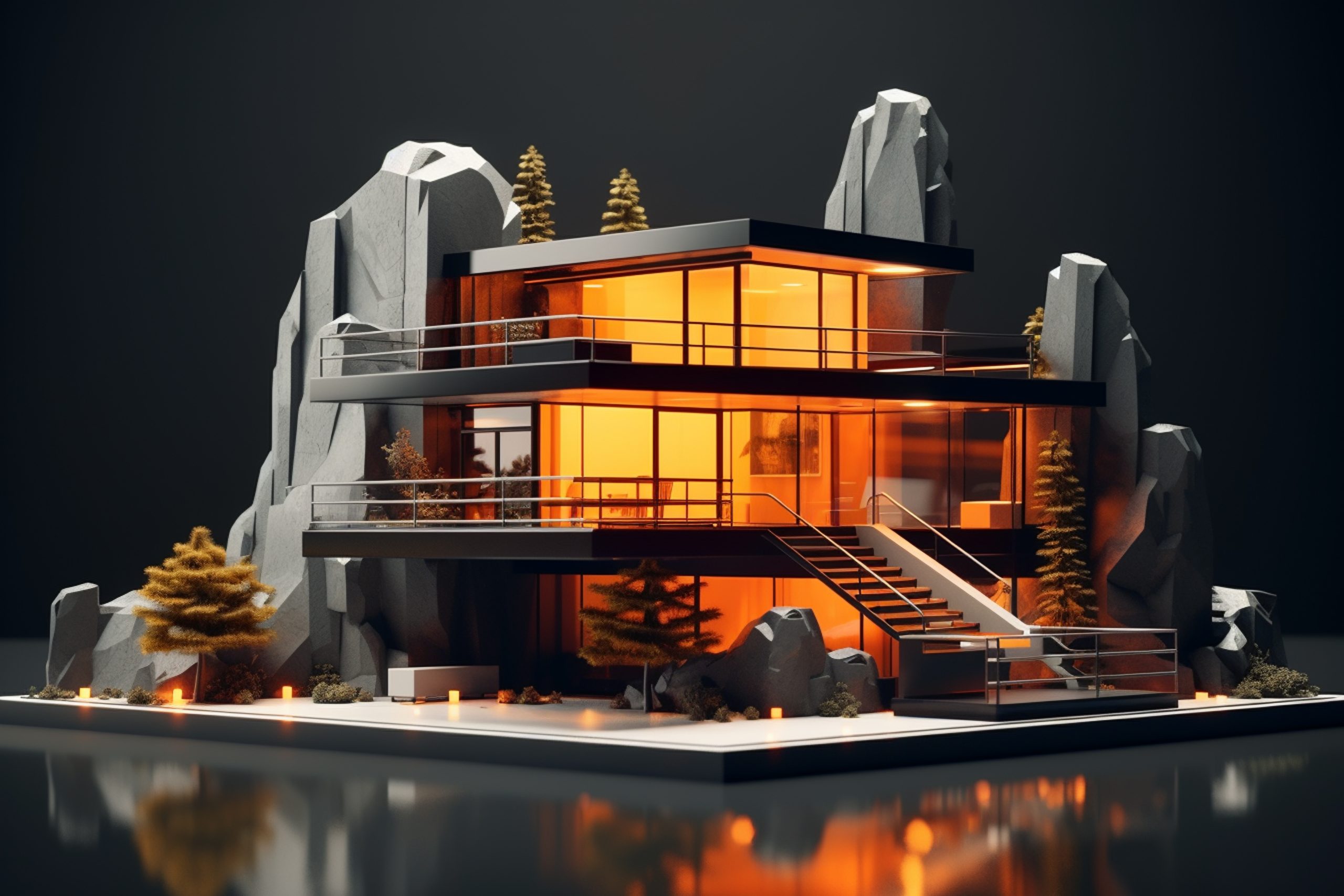
Modular construction has transformed the building industry by offering a faster, more efficient, and cost-effective method of constructing buildings. In contrast to traditional construction, where structures are built on-site, modular construction involves creating sections or “modules” of a building in a factory setting. These modules are then transported to the construction site and assembled into
Read More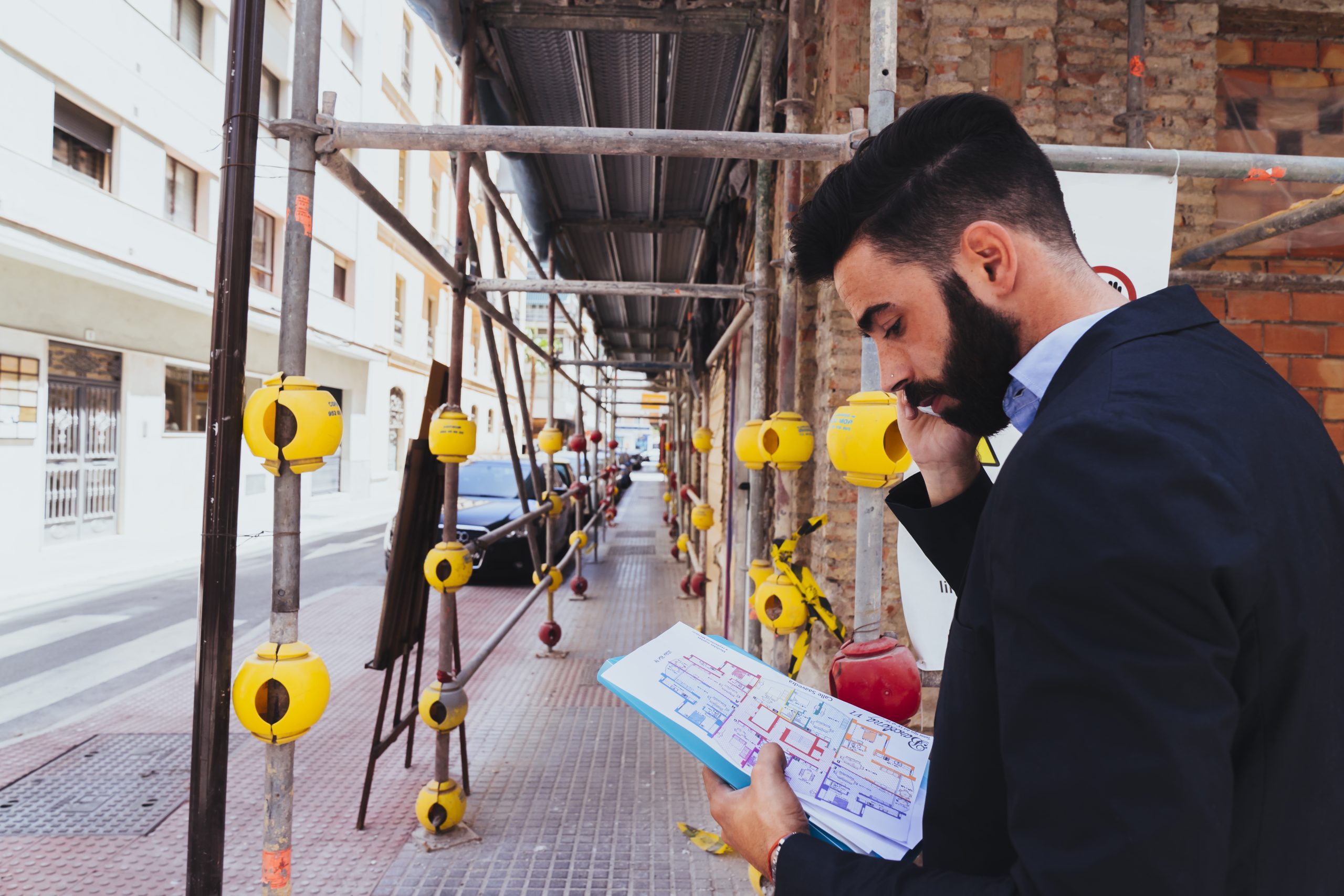
Historic buildings hold cultural and architectural significance, embodying the craftsmanship and design principles of their time. These buildings are often central to a city’s identity and heritage, yet their original mechanical, electrical, and plumbing (MEP) systems are typically outdated and inefficient by modern standards. Retrofitting historic buildings with contemporary MEP systems can significantly improve energy
Read More
In the modern era of construction and engineering, sustainability has become a pivotal concern. Buildings and infrastructure projects are no longer solely focused on aesthetics and functionality; they must also meet stringent energy-efficiency standards to reduce environmental impact. One of the most significant advancements in this area is the integration of renewable energy systems into
Read More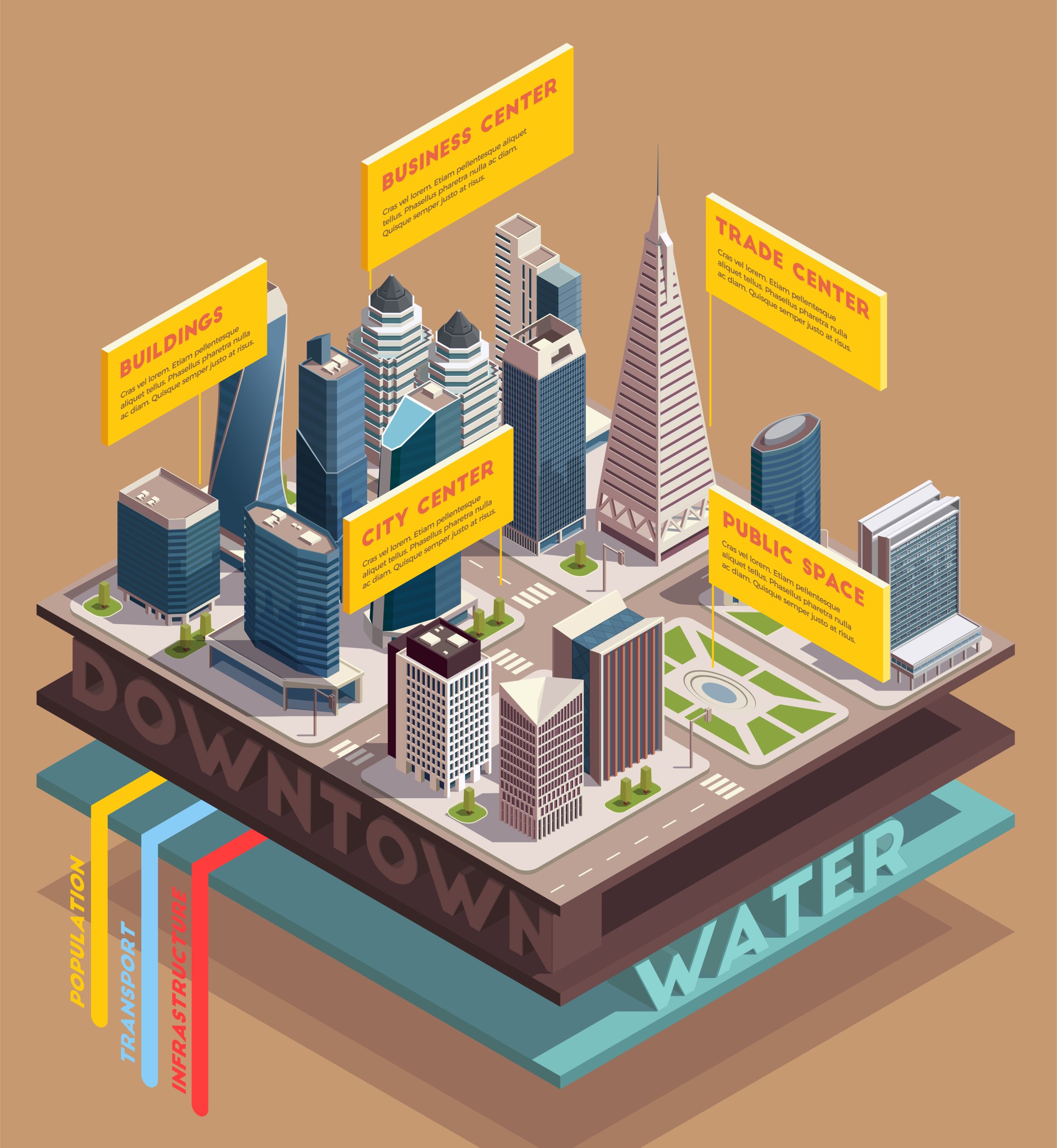
Water management is one of the most pressing challenges in urban areas today. As cities continue to expand, demand for water increases while supply dwindles, putting immense pressure on infrastructure and natural resources. Engineers in the fields of Mechanical, Electrical, and Plumbing (MEP) design play a critical role in addressing these water-related challenges. From designing
Read More
As global concerns about climate change, resource depletion, and environmental impact intensify, the building and construction industry has taken significant steps to minimize its ecological footprint. At the heart of this transformation is MEP (Mechanical, Electrical, and Plumbing) engineering, which plays a pivotal role in shaping the sustainability of modern buildings. By integrating energy-efficient, eco-friendly
Read More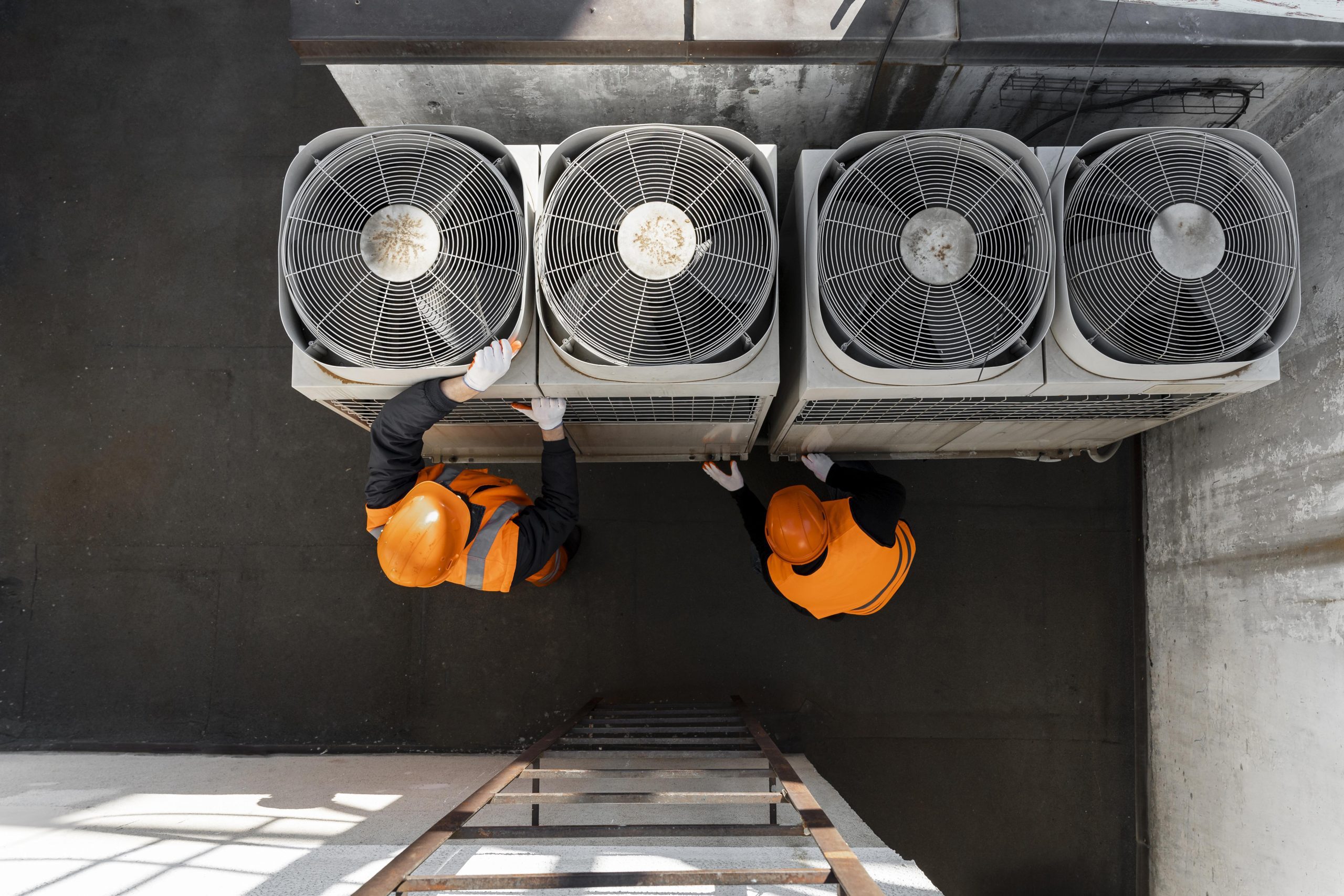
Airborne diseases, such as influenza, tuberculosis, and most notably COVID-19, have underscored the critical importance of indoor air quality (IAQ) in commercial buildings. As people spend the majority of their time indoors, commercial spaces like office buildings, shopping centers, hotels, and healthcare facilities must prioritize air quality to minimize the transmission of infectious diseases. One
Read More
Water conservation is becoming an increasingly important issue worldwide, especially in commercial buildings that consume large quantities of water daily. Traditional plumbing systems often contribute to water wastage due to inefficiencies and outdated designs. However, the rise of smart plumbing systems presents a significant opportunity to reduce water consumption through advanced technology, efficient design, and
Read More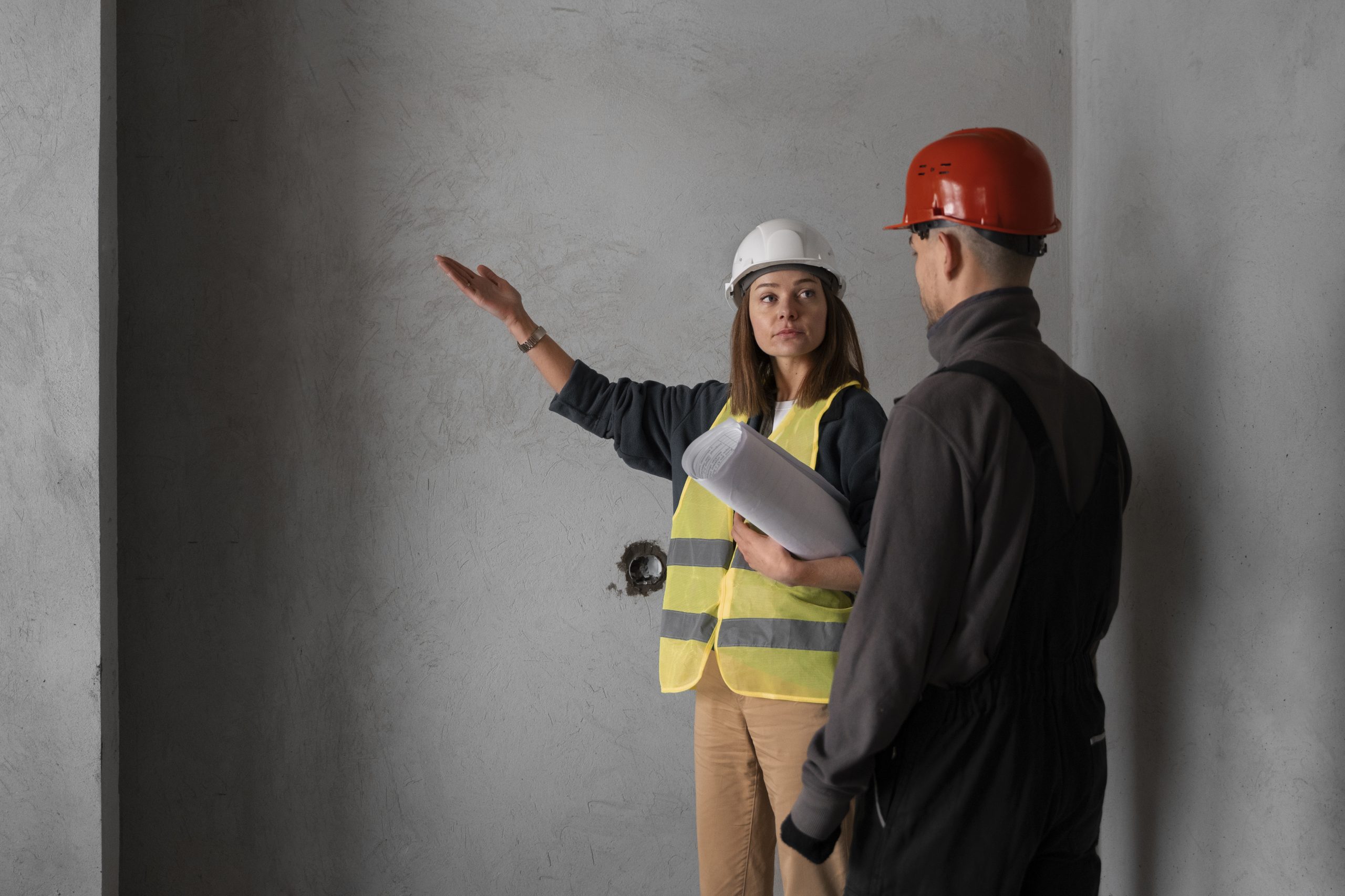
In today’s bustling urban environments, noise pollution has become a significant concern for both health and productivity. For businesses, high levels of noise can affect employee concentration, communication, and overall well-being. As a result, the demand for quieter, more acoustically friendly commercial buildings has increased. Mechanical, Electrical, and Plumbing (MEP) engineers play a crucial role
Read More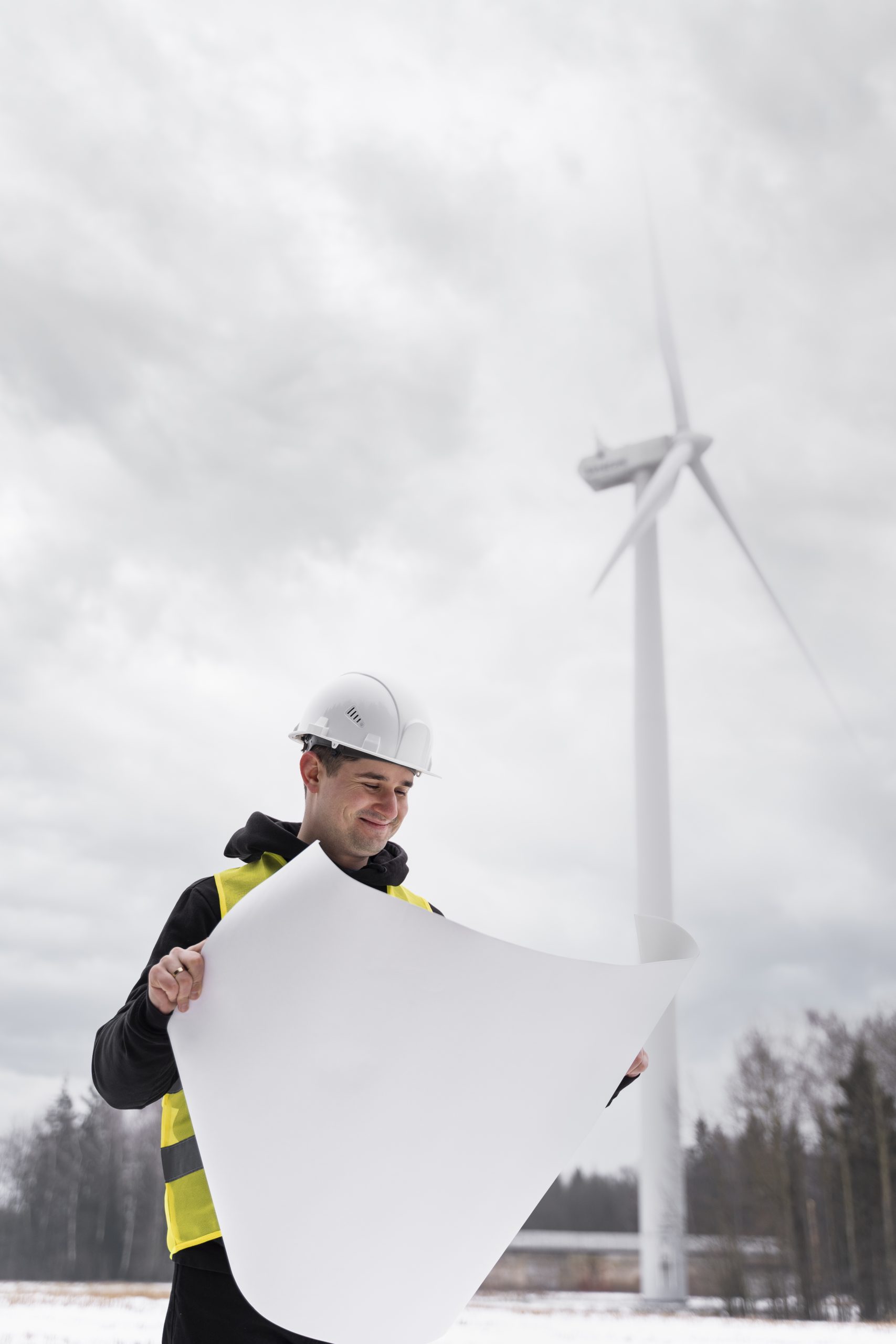
As the world increasingly turns toward renewable energy sources, wind energy has emerged as one of the most promising options for sustainable power generation. With advances in technology and a growing commitment to reducing carbon emissions, wind energy projects are proliferating globally. However, the successful integration of wind energy systems into buildings and infrastructure requires
Read More
In the realm of modern heating, ventilation, and air conditioning (HVAC) systems, two primary approaches dominate the landscape: Variable Air Volume (VAV) and Constant Air Volume (CAV) systems. Each system offers unique advantages and challenges, making them suitable for different applications within residential, commercial, and industrial environments. This article will delve into the characteristics, benefits,
Read More
In the pursuit of environmental sustainability, the role of heating, ventilation, and air conditioning (HVAC) systems in building design has never been more critical. As buildings are responsible for a significant portion of global energy consumption and greenhouse gas emissions, HVAC systems are central to reducing environmental impact. Innovative HVAC design and technology are at
Read More
How MEP Engineers are Key Players in Reducing Carbon Emissions in New and Retrofitted Buildings As the world faces mounting environmental challenges, the drive to reduce carbon emissions has never been more critical. Buildings account for nearly 40% of global carbon emissions, with both construction and operational phases contributing to this figure. Mechanical, electrical, and
Read More