
- Mon-Fri 9am-5pm
- hello@innodez.com
Construction projects are essential for the development and improvement of human society, but they also have a significant impact on the environment. According to the World Green Building Council, the building and construction sector is responsible for 39% of global energy-related carbon emissions, 36% of final energy use, and 50% of global resource consumption. Therefore,
Read More
In the pursuit of sustainable and energy-efficient buildings, the integration of passive design strategies has become paramount. These strategies leverage natural resources to minimize the reliance on artificial heating, cooling, and lighting systems, contributing to both environmental conservation and operational cost reduction. In this blog post, we will explore the principles, benefits, and implementation of
Read More
Natural hazards, ranging from earthquakes and floods to landslides, pose significant threats to the integrity and functionality of infrastructure. As the guardians of structural integrity, structural engineers play a pivotal role in developing innovative solutions to mitigate risks and enhance the resilience of structures in the face of these challenges. In this blog post, we
Read More
In the realm of structural engineering, the pursuit of innovation is unceasing. One of the most transformative developments in recent years is the integration of smart materials into the design and construction of adaptive structures. Smart materials, endowed with unique properties that respond dynamically to external stimuli, have ushered in a new era of possibilities
Read More
Sustainability in construction is no longer a trend; it’s a necessity. As the world grapples with environmental challenges, the construction industry is embracing innovative solutions to reduce its ecological footprint. One key avenue toward sustainability is the utilization of recycled materials in building projects. In this blog post, we’ll explore the profound impact of structural
Read More
In the quest for sustainable and eco-friendly building practices, harnessing renewable energy sources has emerged as a game-changer. Structural engineering plays a pivotal role in seamlessly integrating renewable energy systems into building structures, transforming them into efficient and green entities. In this blog post, we will delve into the potential of structural engineering in the
Read More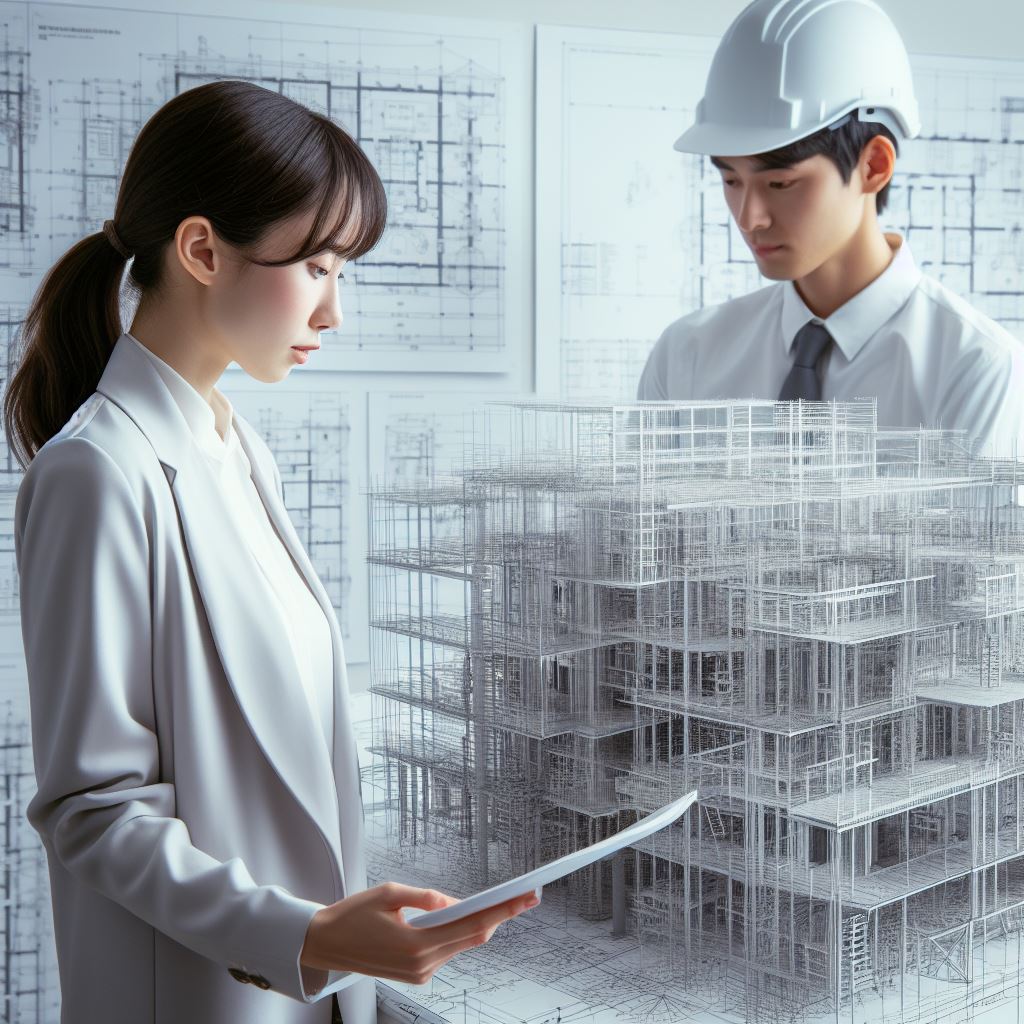
As we stand at the precipice of a sustainable revolution, net-zero energy buildings emerge as beacons of innovation and responsibility. In this blog post, we will unravel the future landscape of structural engineering, exploring the concept and goals of net-zero energy buildings and the pivotal role structural engineering plays in achieving this paradigm shift. Understanding
Read More
Introduction Artificial intelligence (AI) has the potential to revolutionize the HVAC industry by optimizing the performance of HVAC systems, reducing energy costs, and improving the overall sustainability of buildings. In this blog post, we’ll explore some innovative strategies for integrating artificial intelligence into HVAC design for building automation. We’ll discuss how AI can be integrated
Read MoreArtificial Intelligence (AI) is reshaping the landscape of MEP (Mechanical, Electrical, and Plumbing) design in building construction, offering innovative solutions to enhance efficiency, sustainability, and overall performance. However, like any transformative technology, AI comes with its set of advantages and challenges. In this blog post, we will delve into the pros and cons of integrating
Read More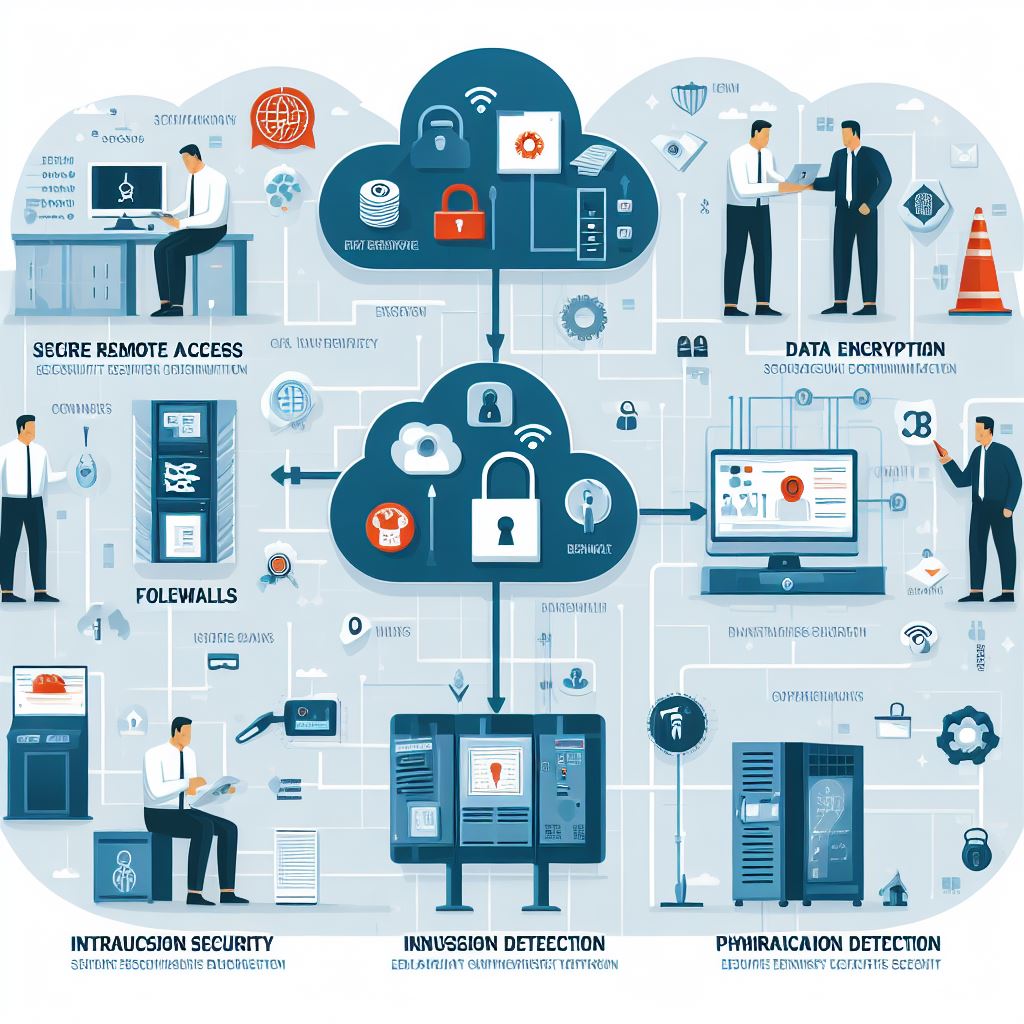
Introduction In today’s digital age, cybersecurity is a critical concern for all industries, including the HVAC industry. With the increasing use of connected devices and the internet of things (IoT), the risk of cyber attacks on HVAC systems has become a significant threat. In this blog post, we’ll explore some innovative strategies for cybersecurity in
Read More
In an era where technology converges with every aspect of our lives, the integration of smart and connected systems in commercial buildings has become ubiquitous. While this digital transformation offers unparalleled convenience and efficiency, it also brings to the forefront the critical issue of cybersecurity, especially in the realm of HVAC (Heating, Ventilation, and Air
Read More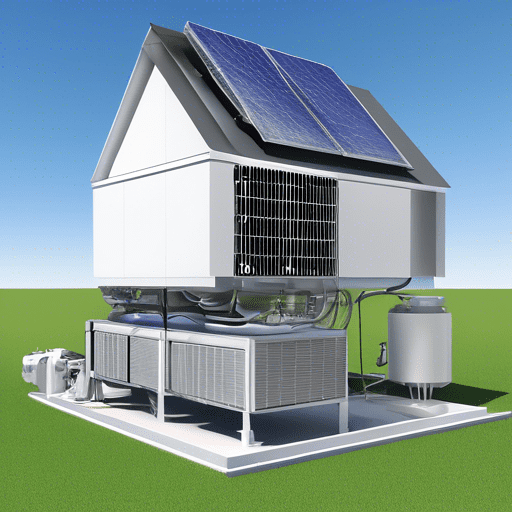
Introduction Ground-source heat pumps (GSHPs) are an innovative technology that can provide heating and cooling for buildings in an energy-efficient and sustainable way. However, to achieve optimal performance, it’s essential to use innovative HVAC design strategies that meet the requirements of MEP design. In this blog post, we’ll explore some of the most innovative HVAC
Read More