
- Mon-Fri 9am-5pm
- hello@innodez.com
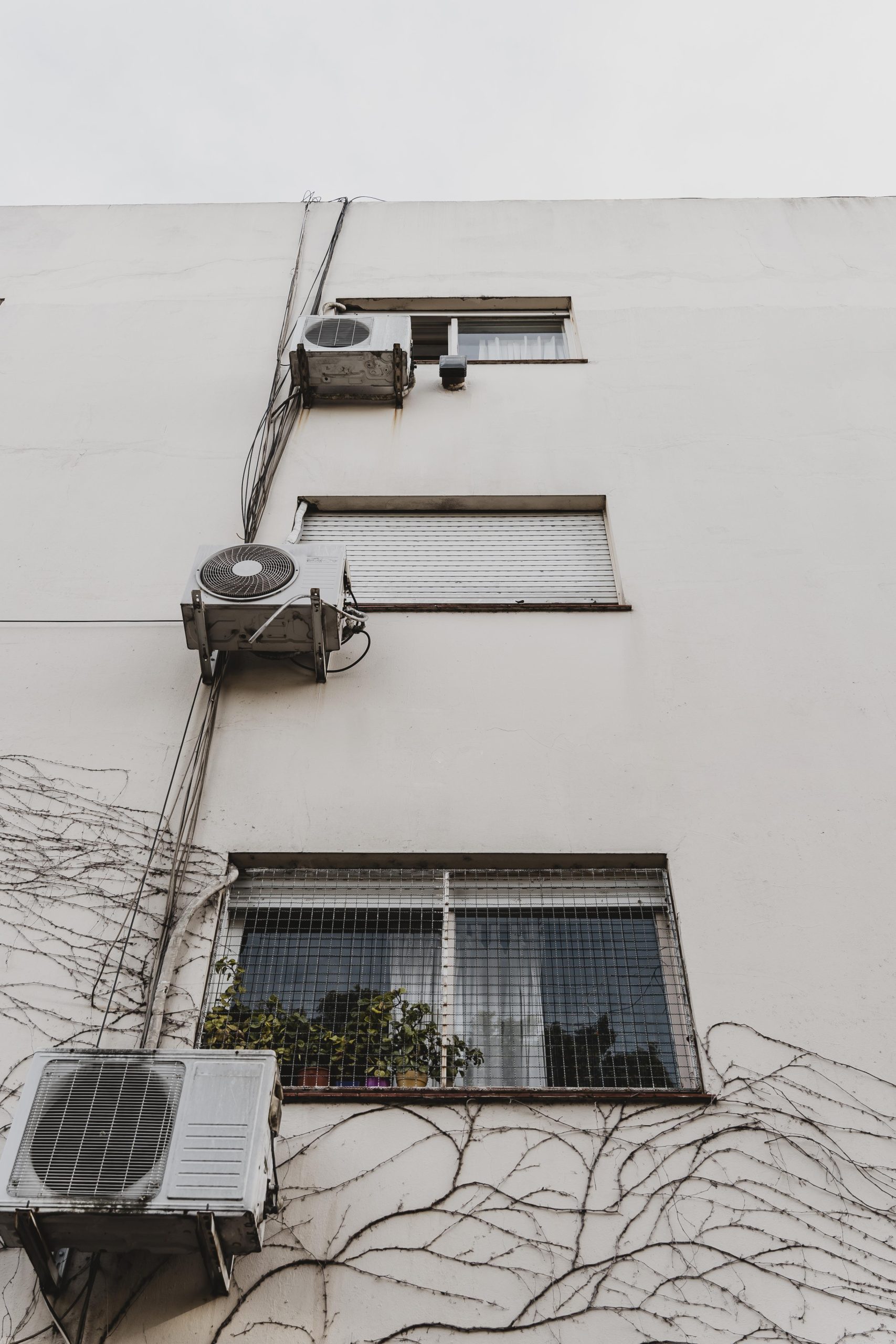
Older buildings often come with charm and history, but their aging infrastructure presents unique challenges, especially regarding heating, ventilation, and air conditioning (HVAC) systems. Inefficient HVAC systems in older buildings lead to higher energy costs, inconsistent comfort levels, and increased environmental impact. Addressing these inefficiencies requires a strategic approach combining modern technology with thoughtful engineering.
Read More
As the world pivots towards sustainability, the role of renewable energy in transforming various industries cannot be overstated. Among the fields experiencing a significant evolution is mechanical, electrical, and plumbing (MEP) design. Integrating renewable energy sources like solar and wind into building systems has not only revolutionized traditional MEP engineering but has also paved the
Read More
Hospitals are among the most complex buildings to design and operate. Their unique requirements, including strict regulations, continuous operation, and diverse functional needs, make efficient engineering systems crucial. Mechanical, Electrical, and Plumbing (MEP) engineering plays a pivotal role in meeting these demands while ensuring patient safety, comfort, and operational efficiency. This article examines how MEP
Read More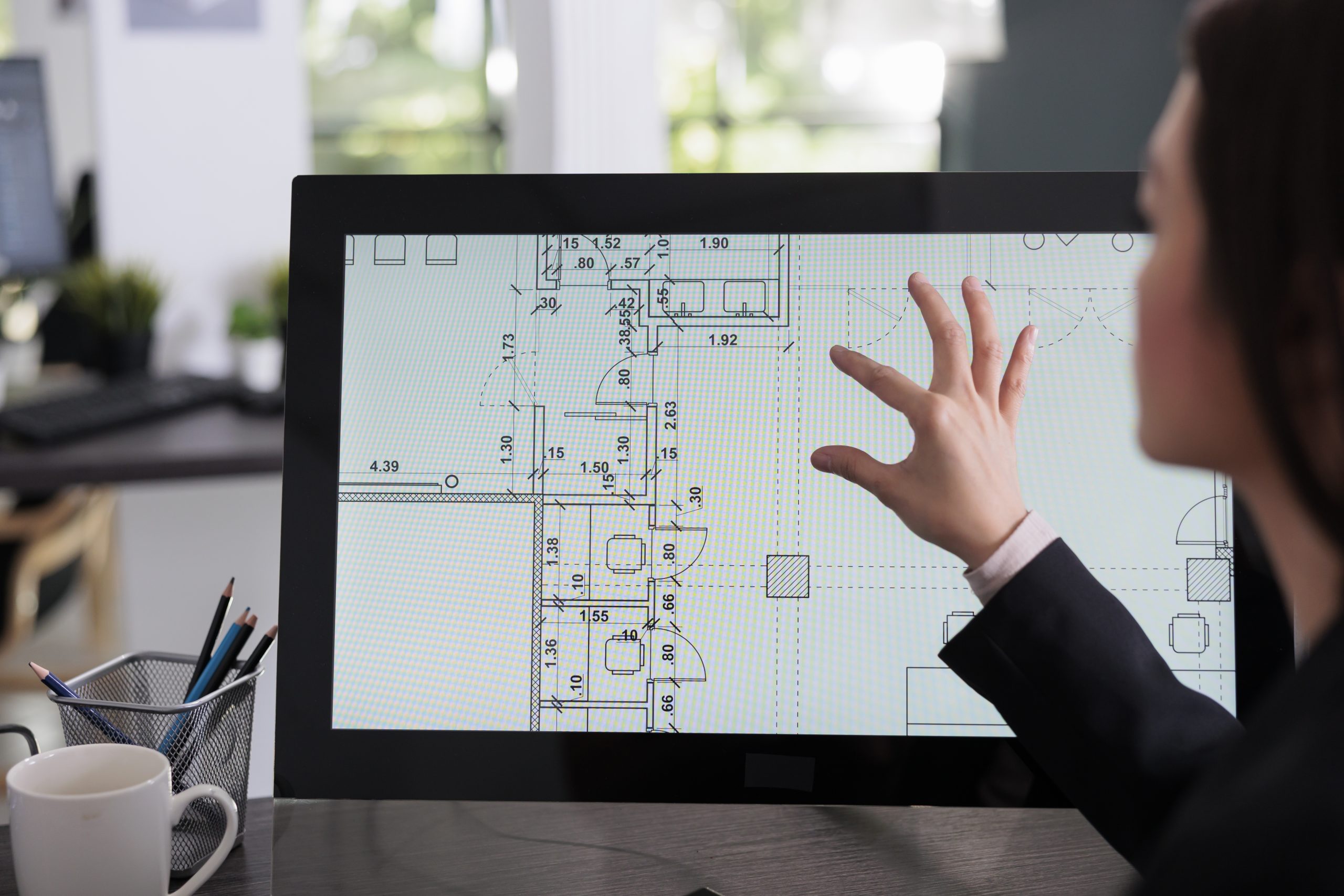
In modern building design, the integration of Mechanical, Electrical, and Plumbing (MEP) systems plays a crucial role in ensuring occupant health, comfort, and overall well-being. As buildings evolve to meet increasing demands for sustainability, efficiency, and occupant satisfaction, MEP engineers face the challenge of balancing technical innovation with human-centric design. InnoDez, a leader in MEP
Read More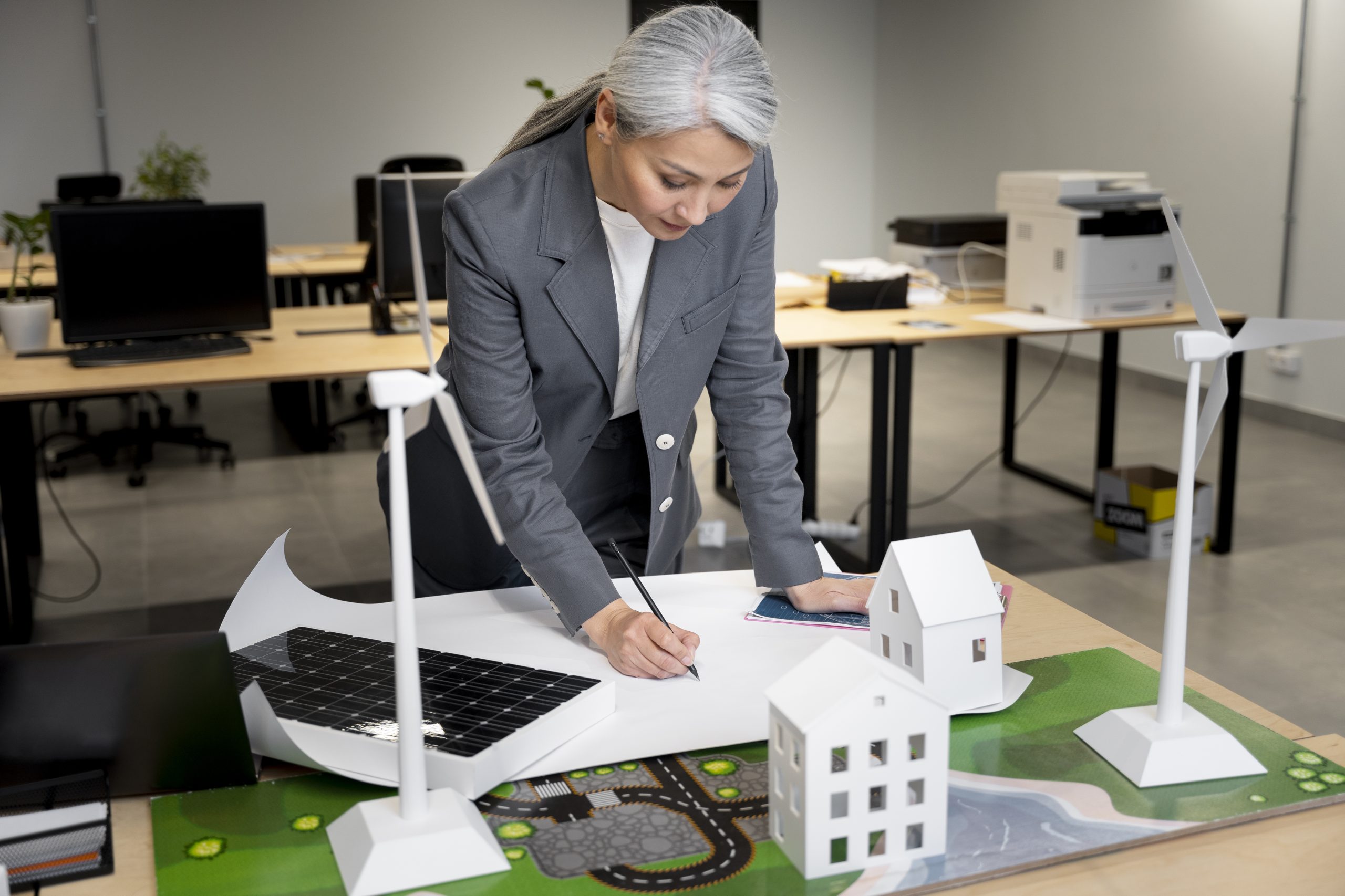
As global attention shifts toward sustainable practices and climate change mitigation, the building industry plays a critical role in reducing carbon emissions. Among the various systems within a building, HVAC (Heating, Ventilation, and Air Conditioning) stands out as a significant contributor to energy consumption and greenhouse gas emissions. By adopting innovative HVAC designs and leveraging
Read More
In the realm of new construction, the importance of MEP (Mechanical, Electrical, and Plumbing) engineering cannot be overstated. These systems form the backbone of any building’s functionality, efficiency, and comfort. Whether it’s a residential complex, commercial building, or industrial facility, integrating MEP systems seamlessly into the design and construction process is critical for project success.
Read More
As global awareness of climate change and sustainability grows, the green building industry has experienced an unprecedented boom. From residential skyscrapers to sprawling commercial complexes, sustainable practices are no longer optional—they’re a necessity. At the heart of this movement lies Mechanical, Electrical, and Plumbing (MEP) engineering, which plays a pivotal role in turning environmentally conscious
Read More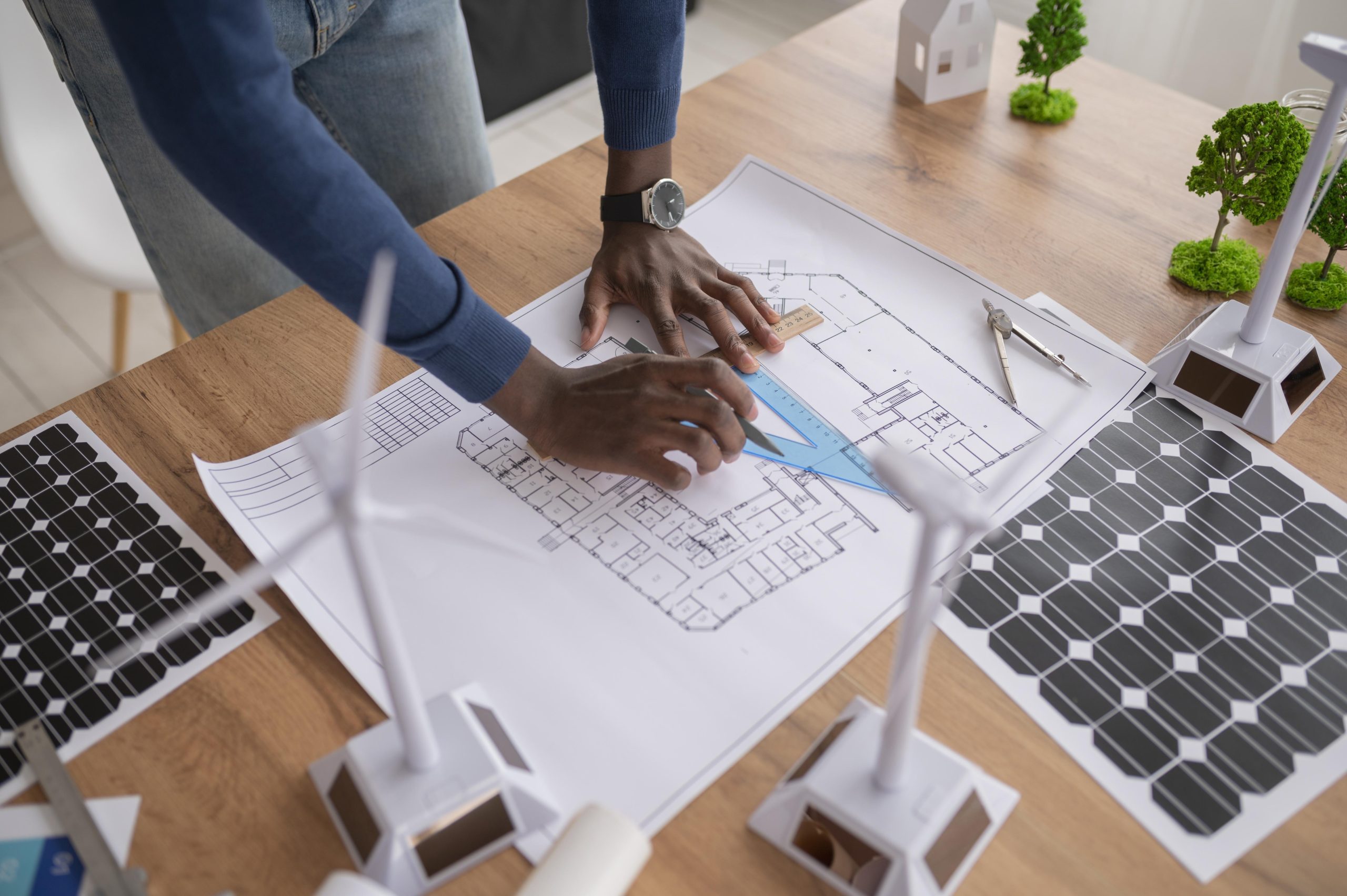
The integration of solar power systems into modern MEP (mechanical, electrical, and plumbing) design has become a cornerstone of sustainable building practices. As renewable energy adoption grows, architects, engineers, and builders are increasingly looking for ways to incorporate solar technologies seamlessly into MEP systems. This integration not only reduces the environmental footprint of buildings but
Read More
Effective cost control in mechanical, electrical, and plumbing (MEP) design is essential to delivering a project that is both budget-friendly and high-quality. Balancing these two aspects can be challenging, especially as building codes and industry standards become more stringent. However, through strategic planning, smart material selection, and leveraging innovative practices, it’s possible to keep costs
Read More
As we step into 2025, the landscape of Mechanical, Electrical, and Plumbing (MEP) design is undergoing remarkable transformation. With advancements in technology, shifting regulations, and a stronger emphasis on sustainability, MEP engineers are at the forefront of shaping more efficient and future-ready buildings. In this article, we explore the top 10 trends driving MEP design
Read More
The design and implementation of Mechanical, Electrical, and Plumbing (MEP) systems differ significantly between residential and commercial buildings. Each type of project has unique requirements, driven by varying scales, functionalities, and occupant needs. Understanding these differences is essential for achieving optimal system performance, cost-efficiency, and compliance with regulations. This article examines the critical distinctions between
Read More
The complexity of modern construction projects demands seamless collaboration between various disciplines to ensure timely delivery, cost efficiency, and high-quality outcomes. Among the critical components in a project, Mechanical, Electrical, and Plumbing (MEP) systems play a pivotal role in a building’s functionality and occupant comfort. Early MEP coordination has emerged as a cornerstone of successful
Read More