
- Mon-Fri 9am-5pm
- hello@innodez.com
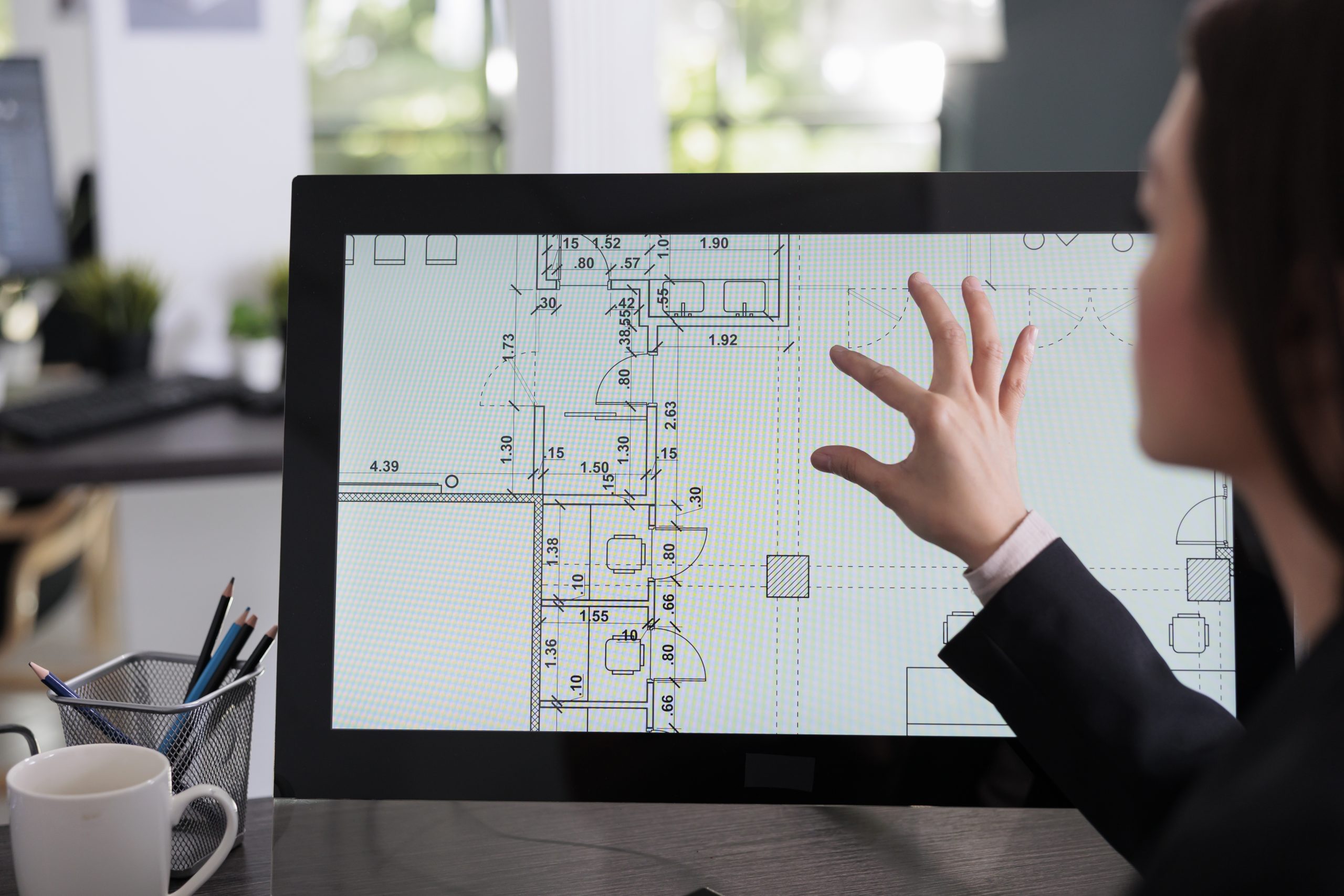
Introduction In today’s competitive construction industry, maximizing return on investment (ROI) is a top priority for developers, property managers, and building owners. While factors like location, materials, and construction techniques often take center stage, the role of Mechanical, Electrical, and Plumbing (MEP) design optimization in enhancing ROI is equally critical but frequently underestimated. An optimized
Read More
Introduction Navigating the complex world of permit approvals for Mechanical, Electrical, and Plumbing (MEP) systems is a critical component of any construction or renovation project. Whether you’re designing a cutting-edge commercial space, retrofitting an existing structure, or building a new residential complex, obtaining the necessary permits is essential to ensure compliance with local codes and
Read More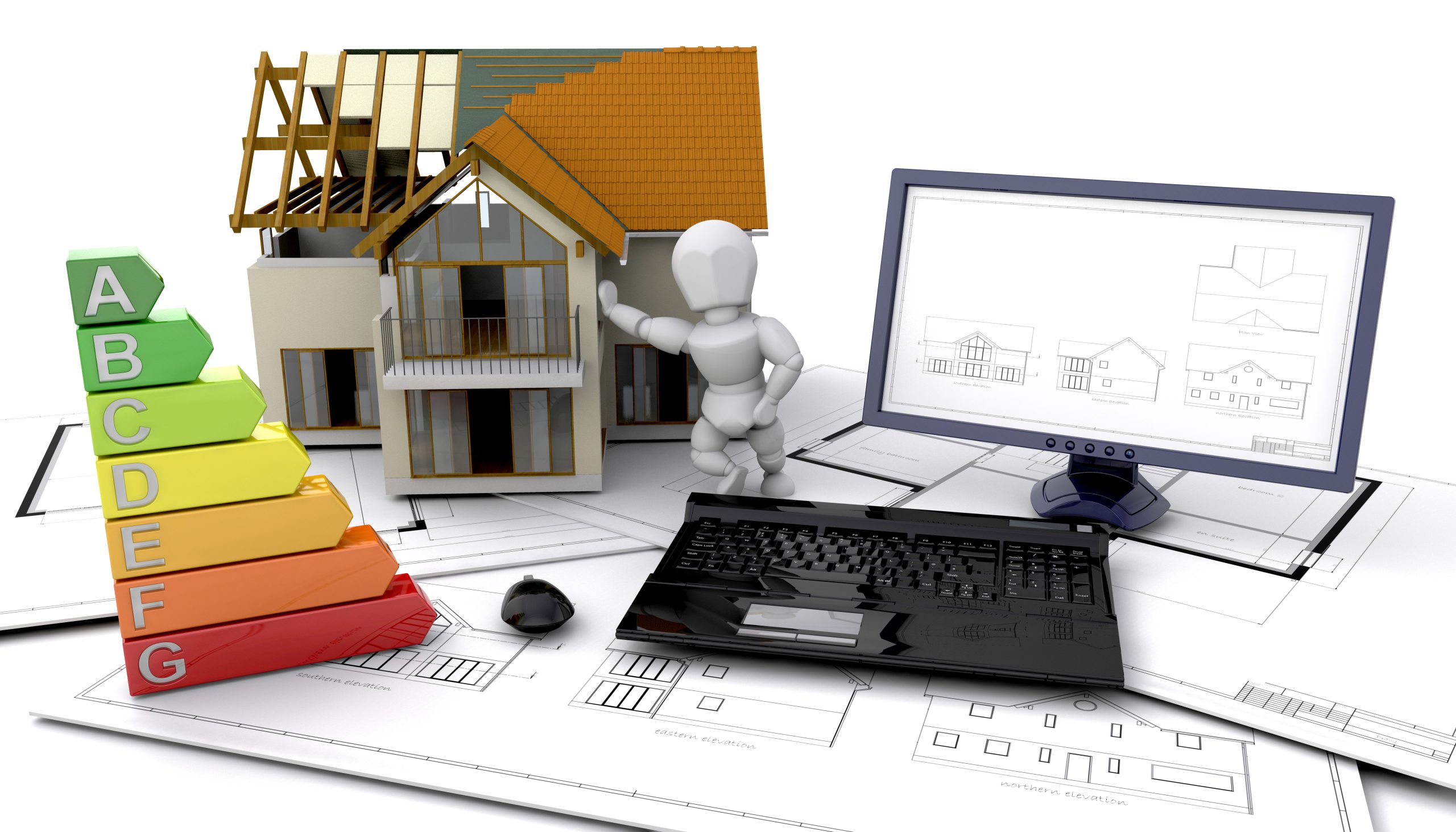
In the world of building design and construction, achieving a balance between thermal comfort and energy efficiency is crucial, especially in large-scale projects. These projects often involve complex requirements for both functionality and sustainability. As urban centers grow and the demand for sustainable, high-performance buildings intensifies, architects, engineers, and developers must incorporate strategies that address
Read More
As urbanization continues to rise and climate change impacts intensify, cities around the world are seeking innovative solutions to make buildings more sustainable, energy-efficient, and resilient. One such solution is the integration of green roof systems, which combine environmental, economic, and aesthetic benefits to th e built environment. However, to fully realize the potential of
Read More
As the world faces the urgent challenge of mitigating climate change, the building sector plays a pivotal role in reducing carbon emissions. Buildings account for a significant portion of global energy consumption and greenhouse gas emissions, making them a key target for sustainability efforts. One of the most ambitious goals for the built environment is
Read More
As the world moves closer to a more sustainable and technologically advanced future, the field of Mechanical, Electrical, and Plumbing (MEP) engineering continues to evolve at a rapid pace. In 2025, the focus is on integrating innovative solutions, enhancing energy efficiency, and implementing sustainable practices to meet the demands of modern construction and urban development.
Read More
Sustainable architecture has rapidly become essential in the fight against climate change and resource depletion, with architects and engineers constantly seeking ways to reduce the environmental footprint of buildings. While energy efficiency and green materials often come to mind first in sustainable architecture, structural engineering also plays a key role. The choices structural engineers make
Read More
Air quality is one of the most critical factors influencing a building’s comfort, safety, and overall health impact on its occupants. Poor indoor air quality (IAQ) has been linked to a range of health issues, from respiratory ailments to cognitive difficulties, and in workplaces, it can affect productivity and morale. Mechanical, Electrical, and Plumbing (MEP)
Read More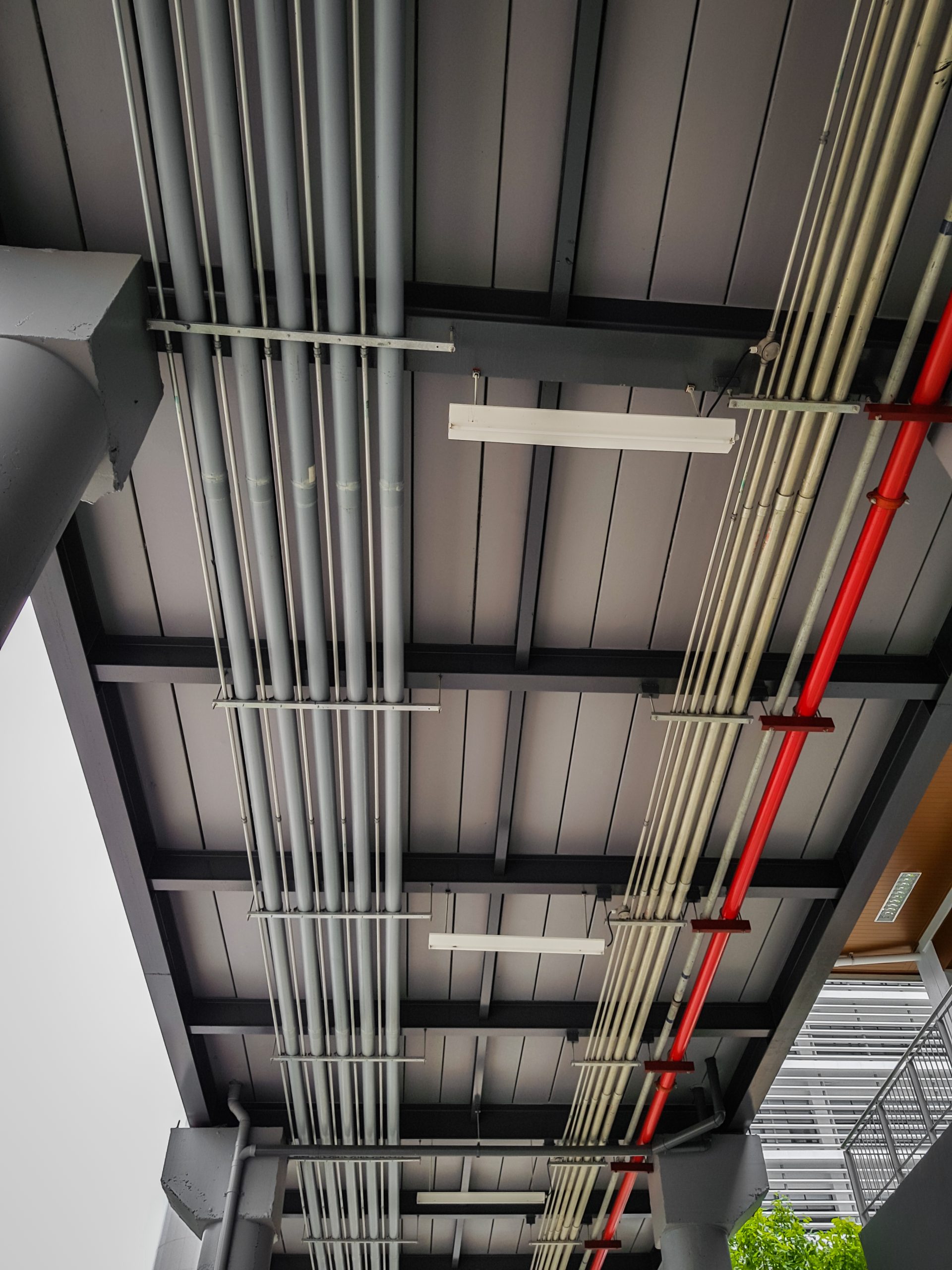
In an era defined by environmental challenges, sustainable construction practices are no longer a mere trend—they are a necessity. Mechanical, Electrical, and Plumbing (MEP) systems are the core of any building, responsible for heating, cooling, water supply, electrical distribution, and ventilation. Traditionally, MEP design has been function-focused; however, as architects, engineers, and clients recognize the
Read More
The construction industry is undergoing a remarkable transformation driven by technological innovations and changing demands for faster, more efficient building processes. One key advancement leading this change is modular Mechanical, Electrical, and Plumbing (MEP) systems. Unlike traditional on-site installations, modular MEP systems involve the pre-assembly of components in a controlled environment, such as a factory,
Read More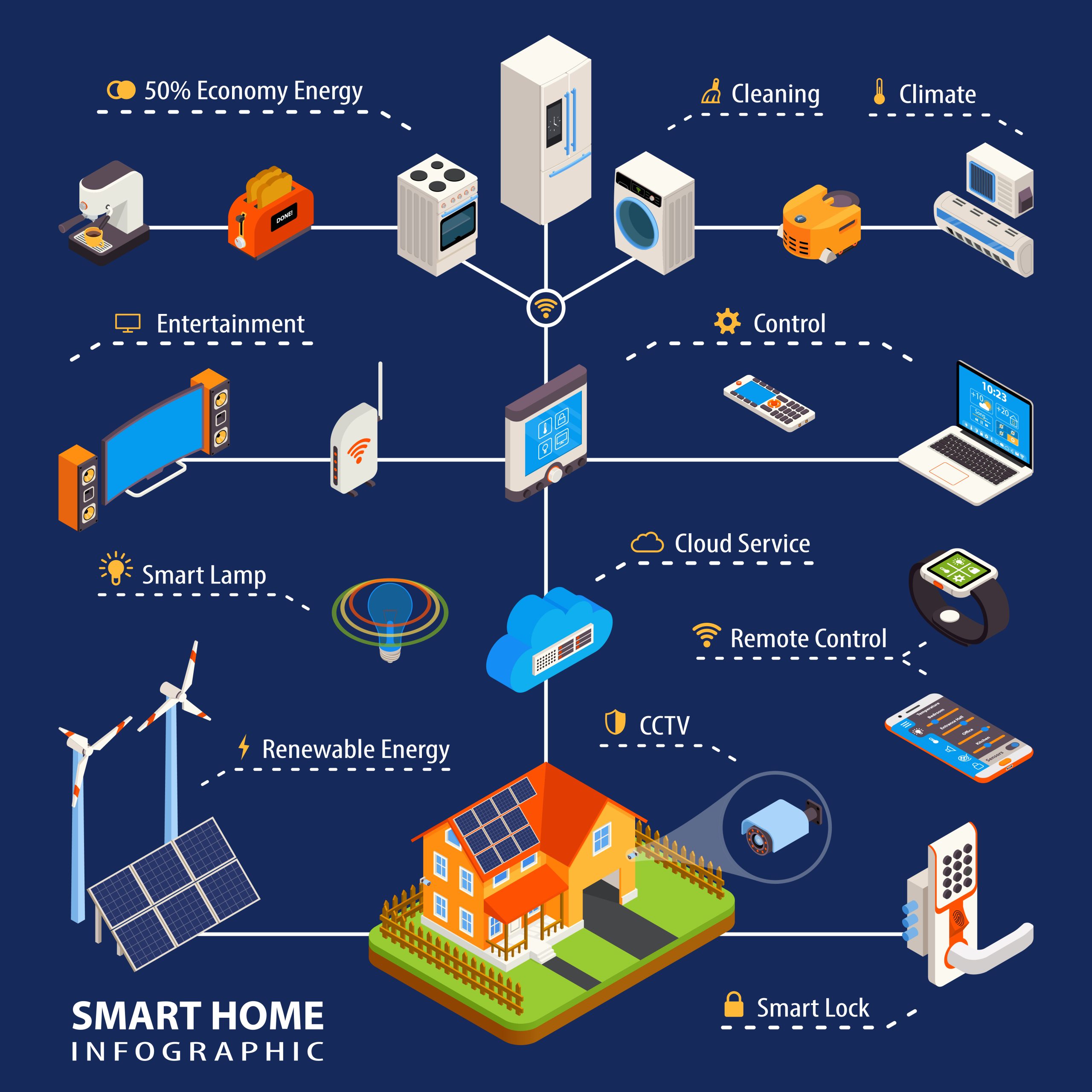
As buildings increasingly adopt renewable energy and energy storage solutions, there is a corresponding shift toward decentralized energy models that prioritize resilience, sustainability, and efficiency. Smart grids—intelligent energy systems that integrate data-driven management and two-way energy flows—are at the heart of this transformation. Smart grids connect diverse energy sources and consumers, facilitating efficient energy exchange,
Read More
As the global shift toward renewable energy sources accelerates, buildings of all types—from residential complexes to commercial facilities—are increasingly relying on battery storage systems (BSS) to ensure energy resilience and efficiency. Battery storage systems allow buildings to store energy during low-demand or peak production times and use it when demand rises or renewable sources like
Read More