
- Mon-Fri 9am-5pm
- hello@innodez.com
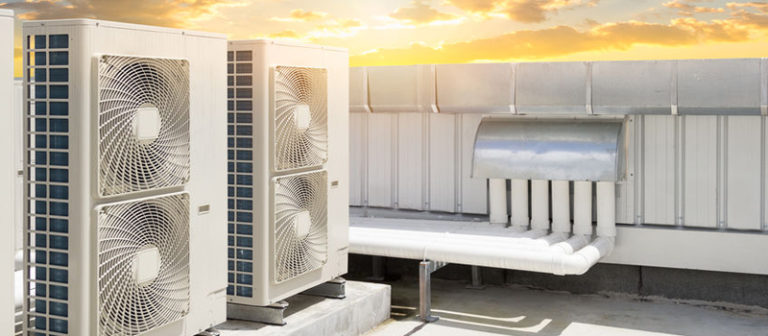
No matter what type of business you operate, one of the crucial rules of a successful business is keeping the customers first. It is important to keep your customers comfortable while you conduct business with HVAC equipment
Thus, having a commercial Heating, Ventilation, and Air Conditioning (HVAC) system that functions at its peak is a fundamental necessity for your day-to-day operations.
As at best it will improve your brand reputation, and at a minimum, it will ensure that your customers are comfortable & happy.
If you manage a hospital, restaurant, or any other business that deals with customers regularly, you need to adopt great HVAC frameworks. Hence here is a detailed breakdown of the different types of HVAC Equipment design systems so that you make an informed decision:
Single split systems are one the most affordable type of HVAC systems available on the market for small businesses. These systems have a mechanical design that specializes in heating & cooling small individual rooms, hence making them the best choice for cafes, small offices, server rooms, etc.
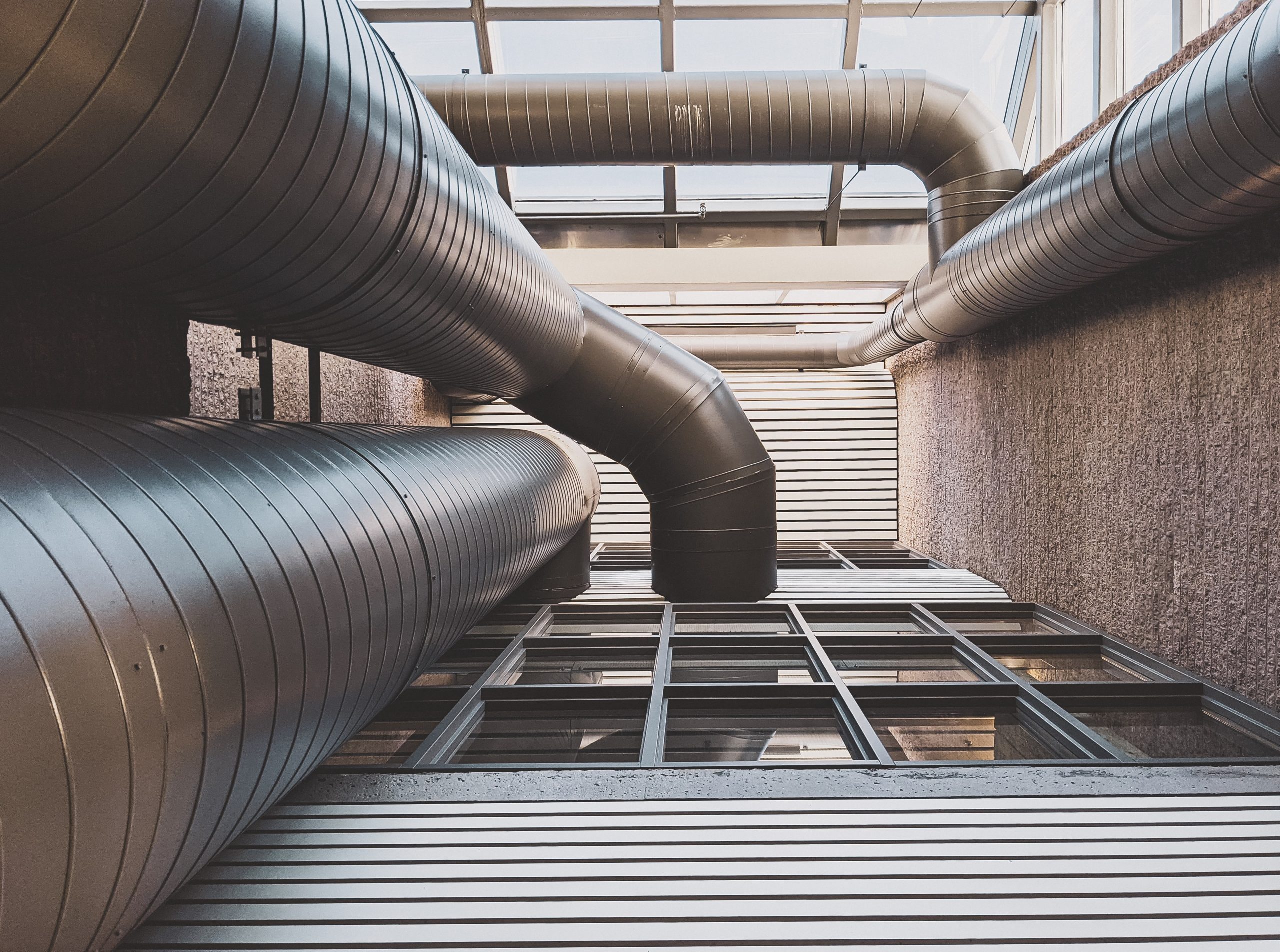
Single Split systems can be combined into a networked system, to serve a larger area. The only downside of this arrangement is that there needs to be enough outdoor space for installing the corresponding external units for cooling or heating.
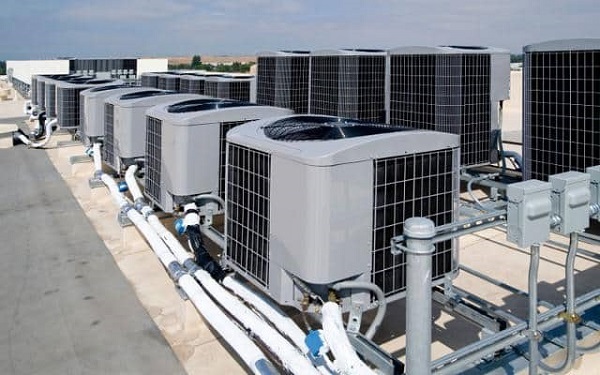
The benefits of using a Single Split system include:
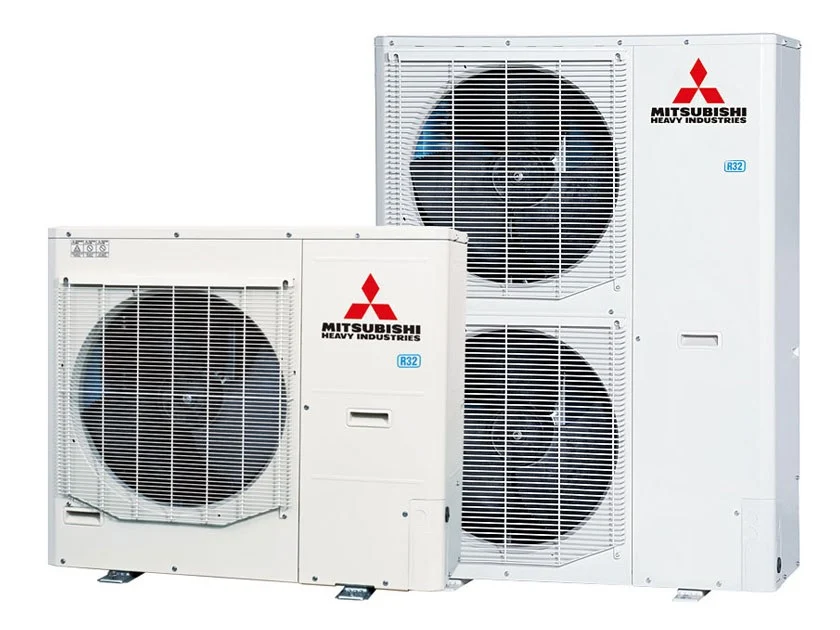
Multi-split systems function in a similar route as single-split frameworks, however, you can connect extra indoor units to the one open-air unit. This Heating, Ventilation, and Air Conditioning (HVAC) system design is frequently utilized in eateries, shops, and workplaces. The fewer open-air units you need, the less space they will take up and the more tastefully satisfying they are to the eyes.
VRF or Variable Refrigerant Flow and VRV or Variable Refrigerant Volume is used to refer to the same type of commercial HVAC Equipment system. These two terms are usually used interchangeably. This is an incredible HVAC design solution for medium to enormous applications like hotels, bigger workplaces, or retail spaces.
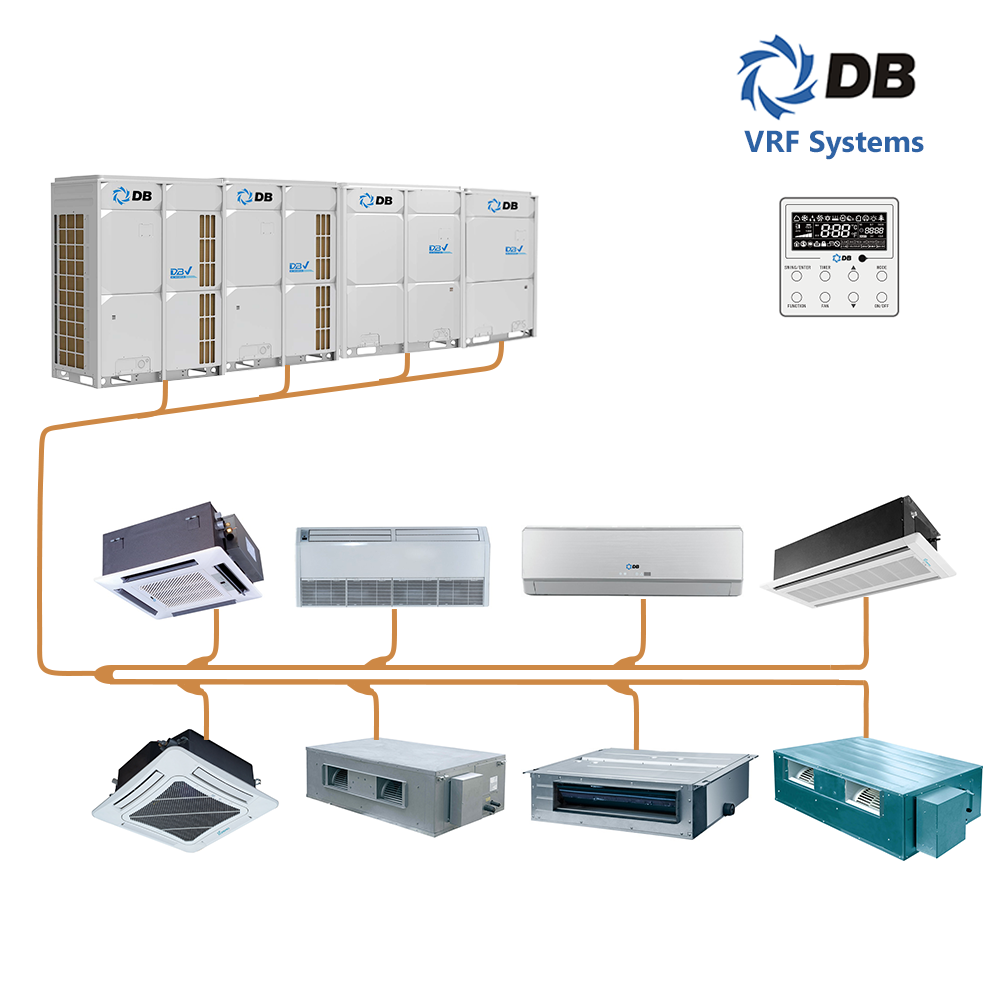
VRF and VRV frameworks use heat pumps and warmth recuperation. Warmth pump systems frameworks give heating or cooling to a structure anytime, which is ideal for the open arrangement of spaces. Warmth recuperation frameworks can give concurrent warming and cooling to various regions simultaneously, making it an appropriate answer for a structure with various rooms.
It doesn’t matter whether you need HVAC Equipment installation for a new construction project or replacement for your outdated systems for their mechanical design. It is critical to reaching out to industry insiders with domain expertise like InnoDez. To help you make an informed decision, here is our assessment: