
- Mon-Fri 9am-5pm
- hello@innodez.com
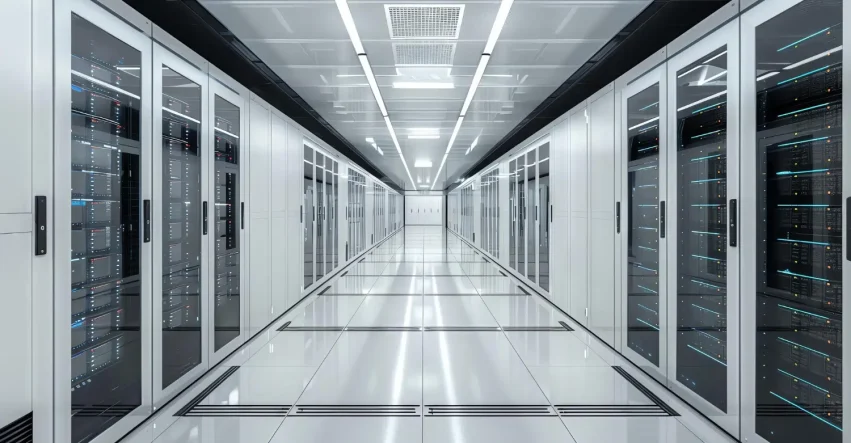
Data centers are at the heart of today’s digital world, powering everything from cloud computing to streaming and large-scale enterprise operations. The demands placed on these facilities require precision, resilience, and innovation, making MEP design a mission-critical discipline. This blog explores the most important factors and emerging innovations in data center MEP engineering, with expert context from the InnoDez team.
MEP (mechanical, electrical, and plumbing) systems play a pivotal role in safeguarding data uptime, mitigating risks, and supporting workload scalability and performance. Their design impacts energy efficiency, safety, and operational cost—making them a focal point of data center planning and construction.
Uninterrupted, high-quality power is the backbone of any high-performance data center. Critical power factors include tiered redundancy (N+1, 2N, etc.), Uninterruptable Power Supplies (UPS), standby generators, and backup battery solutions. Advanced metering and real-time power monitoring systems ensure rapid response to faults and optimize usage.
Data center equipment generates substantial heat; well-engineered HVAC is essential for preventing thermal shutdowns and equipment damage. Popular cooling options include chilled water systems, direct expansion units, rear door heat exchangers, and liquid immersion cooling for high-density rack setups.
Designers must account for airflow management, containment strategies, and site-specific climate conditions to ensure optimal temperature and humidity levels 24/7.
Fire threats in data centers call for unique MEP solutions that balance risk control and equipment safety. FM-200, Novec 1230 clean agent suppression, pre-action sprinkler systems, and VESDA smoke detection are among the industry-leading options. They allow rapid, low-impact response in sensitive electronic environments.
Plumbing engineering for data centers encompasses supply and drainage for HVAC equipment, chilled water piping, and water leak detection. Advanced designs include redundant piping layouts and real-time monitoring, reducing risk of downtime due to plumbing failures or water damage.
With rising energy costs and sustainability demands, data center MEP engineers pursue cutting-edge upgrades such as free cooling (leveraging outside air), advanced building insulation, and integration of renewable energy sources like solar panels. Smart controls and AI monitoring systems continually analyze data to optimize performance and lower carbon footprint.
Modern data centers deploy Building Management Systems (BMS) and DCIM platforms for real-time visibility and proactive control over mechanical, electrical, and plumbing systems. These tools aid preventative maintenance, streamline troubleshooting, and deliver valuable analytics for ongoing efficiency improvements.
Successful data center MEP engineering builds in agility, enabling facilities to expand, reconfigure, or upgrade with minimal disruption. Modular approaches—like pre-fabricated mechanical and electrical rooms—support phased growth as workloads increase, keeping CAPEX and OPEX under control.
An InnoDez client required a scalable, resilient data center built on a tight timeline. Our engineers deployed modular MEP design, utilized advanced CFD modeling to optimize airflow, and designed redundant power distribution with smart monitoring. As a result, the client achieved near 100% uptime and significant energy savings, positioning their facility for future expansion.
– Standardize on scalable, modular designs for power and HVAC systems.
– Prioritize redundancy and automatic fault detection.
– Integrate smart controls and monitoring for reduced downtime and increased efficiency.
– Coordinate plumbing, electrical, and mechanical systems with IT and operational teams early in design.
For a deeper dive into facility engineering, visit our MEP Design and Engineering Services or check out more insights on our industry blog.
Emerging technologies like AI-enhanced predictive maintenance, machine learning for dynamic power optimization, and blockchain applications for verifiable energy transactions are reshaping data center MEP design. These innovations enable real-time energy management, quicker fault detection, and enhanced cybersecurity for control systems.
Additionally, liquid cooling solutions continue to gain traction for high-density racks, reducing HVAC load and improving energy efficiency. Modular and scalable power distribution units (PDUs) equipped with IoT sensors deliver granular monitoring and control at the rack level.
Data centers face growing challenges including escalating energy consumption, cooling demands, and evolving cyber-physical security threats. Incorporating renewable energy sources and energy storage systems will be increasingly important. MEP engineers will need to design systems flexible enough to integrate future technologies such as hydrogen power and advanced microgrids.
Furthermore, resilience against climate change-related risks—extreme weather, flooding, and grid instability—requires innovative engineering solutions. Building designs will need to emphasize redundancy, physical security, and rapid recovery capabilities.
Environmental sustainability is becoming a top priority in data center MEP design. Beyond energy efficiency, green building certifications like LEED and WELL are influencing design choices. Emphasizing renewable energy integration, water conservation, and waste reduction strategies helps data centers lower their environmental footprint.
Innovative techniques such as using recycled materials in construction, implementing rainwater harvesting for cooling, and employing advanced lighting controls further support sustainability goals. InnoDez engineers are adept at embedding these strategies into designs that meet both operational demands and green standards.
The future of data center MEP design lies in automation and AI. Advanced building management systems (BMS) can leverage artificial intelligence to predict equipment failures, optimize energy use, and dynamically adjust systems based on real-time data. This not only improves efficiency but enhances reliability by enabling proactive maintenance.
AI-driven analytics can also support cybersecurity by monitoring system access and anomalies, protecting sensitive infrastructure from attacks. The integration of automation reduces human error and allows data centers to operate with greater precision and minimal downtime.
Leading-edge data center MEP design delivers reliability, efficiency, and future scalability. Partnering with expert engineers like InnoDez ensures your facility meets rigorous operational demands—and positions you for tomorrow’s digital growth. Contact us to learn how our solutions can transform your next data center project.


