
- Mon-Fri 9am-5pm
- hello@innodez.com
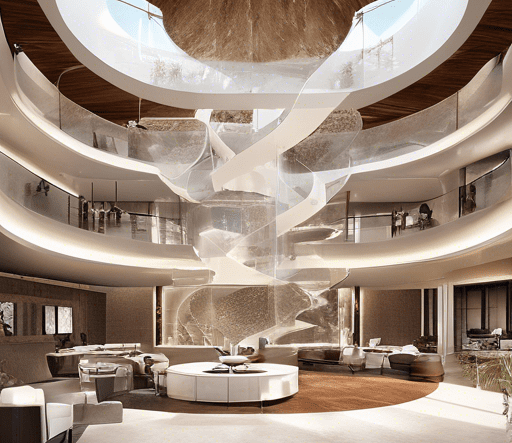
In today’s rapidly evolving business landscape, the ability to adapt and respond to change is crucial for the success and longevity of commercial spaces. Whether it’s a retail store, an office, or a hospitality establishment, the demands and requirements of these spaces can shift dramatically over time. Factors such as changing customer preferences, evolving business models, technological advancements, and even unexpected events like the COVID-19 pandemic can all necessitate significant changes to the physical environment.
Designing for flexibility, therefore, has become a critical consideration for architects, interior designers, and business owners alike. By creating commercial spaces that can easily accommodate modifications and transformations, businesses can future-proof their investments and ensure that their spaces remain relevant and functional for years to come. Adaptable design not only enhances the longevity of a commercial space but also contributes to increased productivity, efficiency, and cost-savings for the occupants.
Moreover, the ability to quickly reconfigure and repurpose a commercial space can provide businesses with a competitive edge. In an increasingly dynamic market, the flexibility to adapt to changing needs, expand or contract operations, or even pivot to new business models can be a significant advantage. By designing for flexibility, commercial spaces can become versatile and responsive, empowering businesses to seize new opportunities and stay ahead of the curve.
At the core of designing for flexibility is the concept of adaptable design. This approach to commercial space planning and construction prioritizes the incorporation of features and elements that allow for easy reconfiguration, repurposing, and transformation. Instead of creating static, inflexible spaces, adaptable design embraces a more dynamic and responsive approach to the built environment.
One of the key principles of adaptable design is the use of modular and reconfigurable components. This can include everything from movable partitions and walls to adjustable lighting systems and versatile furniture. By incorporating these modular elements, commercial spaces can be quickly and efficiently transformed to meet the evolving needs of the occupants. For example, an open-plan office can be easily divided into smaller, more collaborative workspaces by rearranging partitions, or a retail store can be reconfigured to accommodate a new product line or display layout.
Another essential aspect of adaptable design is the integration of flexible technology and infrastructure. This can involve incorporating adaptable power and data systems, wireless connectivity, and even reconfigurable HVAC systems that can be easily adjusted to accommodate changes in space usage or occupancy. By ensuring that the underlying technology and infrastructure of a commercial space are flexible, businesses can more easily adapt to new technological advancements or unexpected disruptions without the need for major renovations.
Designing for flexibility in commercial spaces offers a multitude of benefits that can positively impact businesses, employees, and customers alike. By creating adaptable and responsive environments, commercial spaces can better serve the evolving needs of their occupants and remain relevant and competitive in the long run.
One of the primary benefits of adaptable design is the ability to future-proof commercial spaces. By incorporating flexible features and elements, businesses can avoid the costly and disruptive process of major renovations or redesigns. Instead, they can make smaller, more manageable adjustments as their needs change, saving time, money, and resources in the long run. This flexibility also allows businesses to easily adapt to unexpected events, such as the COVID-19 pandemic, by quickly reconfiguring their spaces to accommodate new health and safety protocols or changing operational requirements.
Another significant benefit of designing for flexibility is the enhancement of productivity and efficiency. When employees and customers are provided with spaces that can be easily adapted to their needs, they can experience increased comfort, focus, and satisfaction. For example, in an office setting, the ability to adjust lighting, temperature, and furniture layout can have a positive impact on employee well-being and job performance. Similarly, in a retail or hospitality environment, the flexibility to reconfigure spaces can enhance the customer experience by creating more engaging and tailored environments.
Designing for flexibility also supports business growth and scalability. As companies expand or pivot their operations, the ability to easily expand, contract, or repurpose their commercial spaces can be a crucial competitive advantage. Adaptable design allows businesses to accommodate changes in staffing, inventory, or service offerings without the need for major renovations, enabling them to respond quickly to market demands and capitalize on new opportunities.
Designing for flexibility in commercial spaces requires a thoughtful and strategic approach that encompasses a range of design principles and considerations. Here are some of the key principles to keep in mind when creating adaptable commercial environments:
At the heart of adaptable design is the use of modular and reconfigurable elements. This can include movable walls, partitions, and furniture that can be easily rearranged or repurposed to suit changing needs. By incorporating these modular components, commercial spaces can be quickly transformed to accommodate different functions, team sizes, or even entire business operations.
Integrating flexible technology and infrastructure is crucial for enabling adaptable commercial spaces. This can involve incorporating adaptable power and data systems, wireless connectivity, and reconfigurable HVAC systems that can be easily adjusted to accommodate changes in space usage or occupancy. By ensuring that the underlying systems are flexible, businesses can more easily adapt to new technological advancements or unexpected disruptions without the need for major renovations.
Lighting and acoustics play a vital role in creating adaptable commercial spaces. Incorporating adjustable lighting systems, such as dimmable fixtures and zoned controls, allows for the customization of lighting levels and ambiance to suit different activities and preferences. Similarly, incorporating flexible acoustic solutions, like movable sound-absorbing panels or adaptable ceiling systems, can help manage noise levels and create more conducive environments for various tasks and functions.
Designing for flexibility also requires considering the potential for future growth and expansion. Commercial spaces should be planned with scalability in mind, allowing for the easy addition or removal of spaces, the expansion of existing areas, or the repurposing of underutilized spaces. This forward-thinking approach ensures that the commercial space can adapt to the changing needs of the business over time, without the need for costly and disruptive renovations.
Embracing multifunctionality and versatility is another key principle of adaptable design. By creating spaces that can serve multiple purposes, businesses can maximize the efficiency and utilization of their commercial environments. This can involve incorporating features like convertible furniture, adaptable room dividers, or multipurpose areas that can be used for a variety of activities, from meetings and events to employee lounges and customer experiences.
Ultimately, designing for flexibility in commercial spaces should be driven by a deep understanding of the end-users’ needs and preferences. By prioritizing the user experience, designers can create adaptable environments that enhance productivity, comfort, and satisfaction for employees, customers, and other occupants. This user-centric approach ensures that the flexibility built into the design directly addresses the evolving requirements of the people who inhabit the space.
By applying these key principles of adaptable design, architects and interior designers can create commercial spaces that are not only visually appealing but also highly functional, responsive, and future-proof.
Modular furniture and fixtures are essential components of adaptable commercial design. These versatile elements allow for easy reconfiguration, rearrangement, and repurposing of the space, enabling businesses to quickly adapt to changing needs and requirements.
One of the primary advantages of modular furniture is its ability to support a variety of work styles and activities. Adjustable desks, movable partitions, and reconfigurable seating options can transform an office space to accommodate individual focused work, collaborative teamwork, or even social gatherings. This flexibility empowers employees to choose the work environment that best suits their needs, fostering increased productivity and job satisfaction.
In retail and hospitality settings, modular fixtures and displays can also play a crucial role in adaptable design. Easily adjustable shelving, movable product displays, and convertible checkout counters allow businesses to quickly reorganize their spaces to accommodate new product lines, seasonal changes, or evolving customer preferences. This agility can be particularly valuable in highly competitive markets, where the ability to swiftly adapt to market trends can provide a significant competitive edge.
When selecting modular furniture and fixtures for commercial spaces, it’s essential to consider factors such as durability, ease of installation and reconfiguration, and compatibility with the overall design aesthetic. Investing in high-quality, well-designed modular elements can ensure that the adaptability of the space is not compromised by subpar or difficult-to-use components.
By incorporating modular furniture and fixtures, commercial spaces can become more responsive to the changing needs of businesses, employees, and customers. This adaptability not only enhances the long-term viability of the space but also contributes to increased efficiency, cost-savings, and a more engaging user experience.
In addition to modular furniture and fixtures, the integration of flexible technology and infrastructure is a crucial aspect of designing for adaptability in commercial spaces. By ensuring that the underlying systems and technologies are responsive and reconfigurable, businesses can more easily adapt to evolving needs, new technological advancements, and unexpected disruptions.
One of the key areas of focus in flexible technology and infrastructure is the power and data systems. Incorporating adaptable power and data distribution, such as raised access floors or modular cabling systems, allows for the easy rearrangement and relocation of workstations, devices, and other equipment. This flexibility ensures that the commercial space can accommodate changes in occupancy, team configurations, or the introduction of new technologies without the need for extensive rewiring or infrastructure overhauls.
Flexible lighting systems are another essential component of adaptable commercial design. Incorporating dimmable, zoned, and programmable lighting solutions enables the customization of illumination levels and ambiance to suit various activities, events, or user preferences. This adaptability can contribute to increased productivity, energy efficiency, and an enhanced user experience.
In terms of HVAC systems, the integration of reconfigurable and modular solutions can provide businesses with the ability to easily adjust temperature, airflow, and ventilation to accommodate changes in space utilization or occupancy. This flexibility is particularly important in the wake of the COVID-19 pandemic, as businesses seek to quickly adapt their commercial spaces to comply with evolving health and safety protocols.
Beyond the physical infrastructure, the integration of flexible technology, such as wireless connectivity, cloud-based systems, and adaptable software platforms, can further enhance the adaptability of commercial spaces. These technologies enable businesses to quickly scale their digital capabilities, integrate new tools and applications, and support remote or hybrid work models as needed.
By prioritizing flexible technology and infrastructure in the design of commercial spaces, businesses can future-proof their investments, reduce the costs and disruptions associated with major renovations, and create environments that are responsive to the ever-changing demands of the modern business landscape.
When designing for flexibility in commercial spaces, it’s essential to consider the potential for future growth and scalability. Businesses often experience significant changes in their operations, staffing, and service offerings over time, and the commercial spaces they occupy need to be able to adapt accordingly.
Incorporating design elements that support scalability and expansion can ensure that commercial spaces remain relevant and functional as businesses evolve. This may involve planning for the addition of new workstations, the expansion of existing areas, or the repurposing of underutilized spaces to accommodate changing needs.
One approach to designing for future growth is the use of modular and expandable building systems. This can include the incorporation of flexible floor plans, adaptable partitions, and the strategic placement of structural elements to allow for easy reconfiguration or expansion. By ensuring that the underlying infrastructure of the commercial space is designed with growth in mind, businesses can more easily adapt to changing requirements without the need for costly and disruptive renovations.
Another key consideration in designing for scalability is the efficient utilization of available space. Incorporating multifunctional and versatile design elements can help maximize the use of a commercial space, allowing businesses to accommodate growth or changes in operations without the need for additional square footage. This can involve the integration of convertible furniture, adaptable room dividers, or multipurpose areas that can serve a variety of purposes, from collaborative workspaces to event venues.
Additionally, the integration of flexible technology and infrastructure, as discussed in the previous section, can play a crucial role in supporting future growth and scalability. By ensuring that the underlying systems are responsive and reconfigurable, businesses can more easily expand their digital capabilities, integrate new technologies, or adapt to changes in their operational requirements.
By designing for future growth and scalability, commercial spaces can become more resilient and adaptable, empowering businesses to navigate the ever-changing landscape and seize new opportunities as they arise.
While the benefits of designing for flexibility in commercial spaces are well-established, there can be some challenges and considerations that need to be addressed to ensure the successful implementation of adaptable design principles.
One of the primary challenges is the upfront investment required to incorporate flexible elements, such as modular furniture, adaptable technology, and reconfigurable infrastructure. These solutions often come with a higher initial cost compared to traditional, fixed design elements. However, it’s essential to consider the long-term cost savings and benefits that adaptable design can provide, including reduced renovation expenses, increased efficiency, and the ability to future-proof the commercial space.
Another potential challenge is the complexity of integrating flexible systems and ensuring their seamless functionality. Coordinating the various components of an adaptable commercial space, from the physical layout to the underlying technology and infrastructure, requires careful planning and collaboration among architects, designers, and technology experts. Effective communication and a holistic approach to the design process are crucial to overcoming these challenges and creating a cohesive, adaptable environment.
Navigating regulatory and compliance requirements can also pose challenges when designing for flexibility. Building codes, zoning regulations, and accessibility standards may impose certain limitations or requirements that need to be carefully considered and addressed during the design process. Engaging with local authorities and staying up-to-date with the latest regulations can help ensure that the adaptable commercial space meets all necessary standards and guidelines.
Additionally, the successful implementation of adaptable design in commercial spaces often requires a shift in mindset and organizational culture. Businesses and their employees may be accustomed to more traditional, static work environments and may initially be resistant to the changes brought about by a flexible, adaptable space. Effective change management, user education, and ongoing support can help facilitate the transition and ensure that the benefits of the adaptable design are fully realized.
By addressing these challenges and considerations, architects, designers, and business owners can create commercial spaces that are not only flexible and adaptable but also meet the practical, regulatory, and cultural requirements of the organization and its occupants.
In today’s rapidly evolving business landscape, the ability to adapt and respond to change has become a critical factor for the success and longevity of commercial spaces. Whether it’s a retail store, an office, or a hospitality establishment, the demands and requirements of these spaces can shift dramatically over time, driven by changing customer preferences, evolving business models, technological advancements, and even unexpected events like the COVID-19 pandemic.
MEP design for flexibility, therefore, has emerged as a crucial consideration for architects, interior designers, and business owners alike. By creating commercial spaces that can easily accommodate modifications and transformations, businesses can future-proof their investments and ensure that their spaces remain


