
- Mon-Fri 9am-5pm
- hello@innodez.com
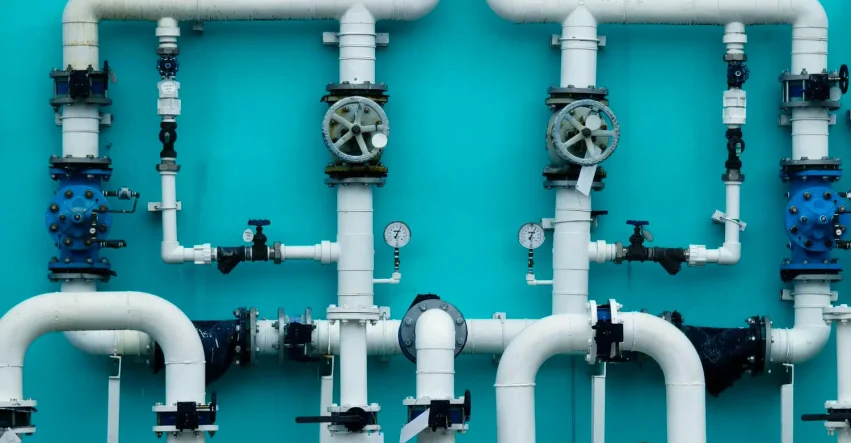
Deciding between a fire pump and a no pump solution shapes water supply strategy, riser sizing, electrical readiness, space planning, and long term maintenance. The right answer comes from verified data and clear hydraulics, not preference. Your promise is simple. The most remote hazard area receives the required flow at or above the minimum residual pressure during the building’s busiest and most demanding condition.
Anchor the decision in codes and standards that define performance. NFPA 13 establishes sprinkler demand and calculation methods, NFPA 14 sets standpipe flow and pressure criteria, and NFPA 20 covers fire pump selection and installation. Local amendments and the International Fire Code may refine these rules, so confirm the authority having jurisdiction early.
Primary references
NFPA 20: https://www.nfpa.org/codes-and-standards/all-codes-and-standards/list-of-codes-and-standards/detail?code=20
IFC overview: https://www.iccsafe.org/products-and-services/codes/2024-i-codes/ifc/
If your verified supply meets calculated demand with required residual pressure, a pump is not mandated. If it does not, a pump becomes part of a compliant design.
Design with current water data taken at or near the connection point. Order a hydrant test, record static, residual, and flow using a pitot at the flowed hydrant, and document distances and elevations. Correct readings to the building’s service elevation and to the elevation of the most demanding outlet. Avoid old or remote tests since seasonal operations, tank levels, utility PRVs, and nearby development can shift the curve. Treat water data like survey control and you avoid downstream surprises.
Define the worst point you must serve. For sprinklers, select design density and area for the hazard classification per NFPA 13, then add hose allowance. For standpipes, apply NFPA 14 flow and residual pressure at the most remote outlet. Build an honest loss profile from the street to that point. Include backflow preventers, meters, check valves, control valves, strainers, elevation, and realistic friction in risers and branches. Small losses add up at high flow, so count each one.
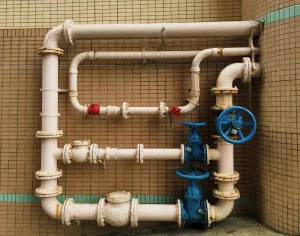
Translate data into a clear yes or no. Plot the available water supply curve corrected for elevation at your tap. Overlay the calculated demand for the remote point, complete with device and elevation losses. If the supply provides the required residual pressure at the design flow, you can proceed without a pump. If it does not, adjust the design to trim preventable losses and check again. If reasonable optimizations still miss the mark, a fire pump is indicated. The path is simple, the discipline is in measuring each step correctly.
Exhaust hydraulic optimizations before introducing equipment. Straighten routes, reduce the number of fittings, and choose efficient backflow assemblies. Verify that riser diameters and branch sizes hold velocities within healthy ranges so friction remains manageable. Confirm that device selections align with the flow regime you are calculating. Many borderline cases clear once preventable losses are removed.
For a broader engineering context that links fire protection to full building systems, review the InnoDez services overview at https://innodez.com/services/ and explore related articles on the InnoDez blog at https://innodez.com/blog/.
If a pump is required, follow NFPA 20 precisely. Horizontal split case units are common where capacity and serviceability matter, while vertical inline pumps can work in tighter rooms with lower duties. Diesel drivers change ventilation and fuel storage needs, and electric drivers require dependable power and may trigger standby or emergency power provisions based on jurisdiction.
Plan the room for operation and testing. Provide straight suction piping as the manufacturer requires, maintain working clearances for removal and alignment, and place gauges and test headers where they can be used safely during acceptance and annual flows. Protect the room from flooding, freezing, and physical damage, and confirm door and route sizes for eventual equipment replacement.
A fire pump affects multiple disciplines. Electrical coordinates feeders, controllers, transfer equipment if required, and selective coordination. Structural checks slab loading, housekeeping pads, and vibration isolation. Plumbing integrates tanks when present, drains, test headers, and discharge routes. Early layout avoids congestion that forces extra offsets and hidden pressure loss. Confirm noise and vibration criteria with the design team so the room does not create comfort issues elsewhere.
Performance must be proven during acceptance and protected during operation. Commissioning verifies that the pump meets the duty point and that the system achieves required flow and residual pressure at the remote location. Annual testing using a flow meter or test header maintains that confidence. Instrumentation should make both acceptance and maintenance efficient. Label valves, provide permanent gauge ports, and include practical access to strainers and controller settings so operators can keep the system tuned for years.
The question fire pump or no fire pump is answered by measured supply, calculated demand, and careful accounting of losses. Start with current hydrant data at your tap, correct for elevation, and build a complete loss profile to the worst point. Remove preventable losses and keep velocities healthy. If the supply still cannot meet the target residual pressure at design flow, a pump is warranted and must be implemented exactly as NFPA 20 intends. If the supply can meet the target, document the evidence and proceed with a clean, maintainable layout that keeps pressure where it belongs.
See how this thinking appears in built work in the InnoDez projects portfolio and contact the InnoDez team through https://innodez.com/contact-us/ when you are ready to move from concept to coordinated Fire protection design.


