
- Mon-Fri 9am-5pm
- hello@innodez.com
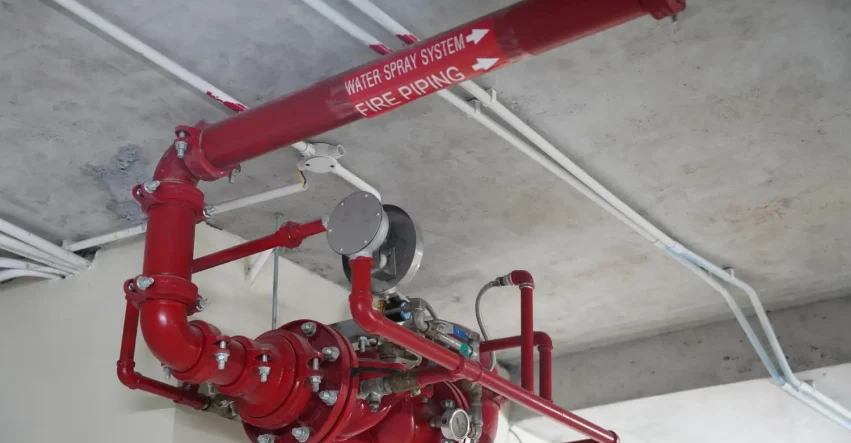
Fire protection systems are a cornerstone of building safety designed to protect lives, property, and business continuity. Regardless of whether you manage a commercial facility, an industrial complex, or a residential community, ensuring your fire protection system is dependable and compliant with evolving regulations is fundamental to risk reduction.
Improving the reliability and compliance of fire protection systems involves multiple strategies — detailed assessments, rigorous maintenance, adherence to codes, and adoption of advanced technologies. This comprehensive guide details practical steps to enhance your fire protection system’s performance and regulatory alignment for maximum safety and peace of mind.
A fire protection system’s function extends beyond detection and suppression; it safeguards occupants through timely warnings and mitigation, preventing catastrophic outcomes. System failures or code violations can lead to devastating human loss, substantial property damage, legal penalties, and prolonged business interruption.
Reliable systems minimize false alarms, ensure prompt fire response, and maintain full operational readiness. Compliance with codes not only controls risk but also influences insurance rates and regulatory approvals. Proactively enhancing reliability and compliance should be an ongoing priority integrated into your building’s lifecycle management practices.
Enhancing fire protection reliability begins with comprehensive evaluation of your current systems. Employ certified fire protection engineers to perform systematic audits covering detector placement, sprinkler coverage, suppression agent levels, alarm integrity, and wiring conditions.
Risk analysis customizes fire protection to your building’s features, occupancy, and hazards. For example, a chemical plant requires specialized fire suppression beyond smoke detection, while a data center prioritizes early warning and inert gas systems.
Routine inspection schedules aligned with National Fire Protection Association (NFPA) standards identify vulnerability before failures occur, enabling timely remediation.
Scheduled testing and preventative maintenance are vital pillars of a dependable fire protection system. Inspections should verify detector sensitivity, sprinkler head condition, control panel integrity, and suppression agent sufficiency.
Upgrades to outdated components can drastically improve reliability. Modern intelligent detectors reduce nuisance alarms and enhance smoke discrimination. Control panels with remote monitoring capabilities enable rapid diagnostics and maintenance alerts.
Personnel performing maintenance must be qualified, and documentation meticulously maintained to meet regulatory requirements and facilitate audits.
Adherence to codes like NFPA 13, NFPA 72, International Fire Code (IFC), and local ordinances is a foundational compliance obligation. These codes stipulate minimum design criteria, installation practices, testing intervals, and maintenance protocols.
Keeping current on code changes is crucial as standards evolve with technological advances and improved safety knowledge.
Working with contractors and consultants familiar with your jurisdiction reduces permit delays and helps document compliance for inspectors and authorities having jurisdiction (AHJ).
For expert assistance, InnoDez offers comprehensive services page that ensure alignment with applicable standards.
Today’s fire protection systems achieve maximum effectiveness when integrated with other building safety and management systems such as HVAC, security, and emergency lighting.
Advanced fire alarm control panels communicate with building management systems (BMS), automating safety protocols and providing central monitoring.
Emerging IoT technology and cloud-based platforms enable continuous system health monitoring and predictive maintenance, offering new levels of reliability.
For more details on these innovations, review guidelines from the National Fire Protection Association.
A fire protection system’s value diminishes if building occupants and facility staff are untrained on operation and emergency procedures.
Regular fire drills and comprehensive training maximize the effectiveness of alarm notification and evacuation plans.
Maintaining clear, accessible documentation—including system design, maintenance logs, and training records—is essential to satisfy compliance audits and streamline troubleshooting.
Effective documentation also supports ongoing risk management and system upgrades.
An additional critical factor in improving fire protection reliability is incorporating redundancy and robust emergency response planning.
Redundant systems—such as backup power supplies for alarms and sprinklers—guarantee function during disruptions like power outages or equipment failure.
Implementing multiple detection methods (e.g., smoke, heat, and flame detectors) reduces the risk of undetected fires.
Complement these systems with comprehensive emergency response plans, ensuring all occupants understand their roles during evacuation and first responders possess detailed hazard information.
Investing in fire protection system reliability and compliance is a non-negotiable aspect of responsible building management. A well-designed, code-compliant system backed by regular maintenance and modern technology safeguards lives and assets alike.
At InnoDez, we specialize in tailored fire protection engineering solutions, ensuring your systems meet all requirements while embracing innovation. To explore how we can assist in enhancing your fire safety infrastructure, visit our services page or get in touch through our contact page.
Partner with us to create a more secure environment for your building and its occupants, now and into the future.


