
- Mon-Fri 9am-5pm
- hello@innodez.com
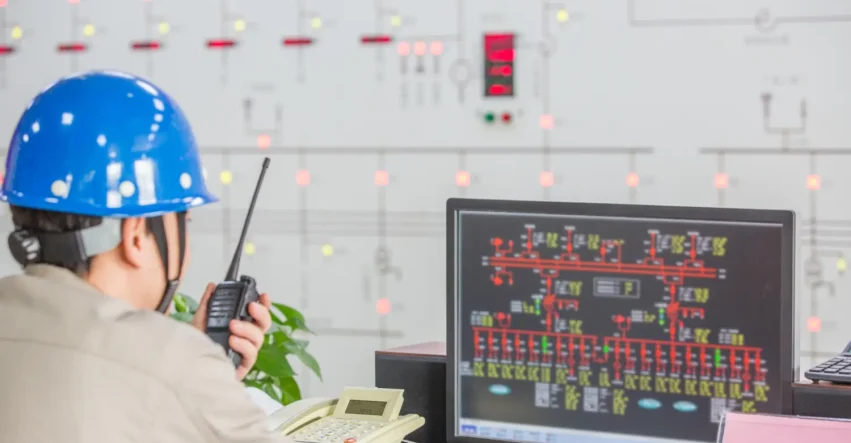
Electrical load calculations are the backbone of safe, efficient, and adaptable high-tech buildings. With the rapid evolution of technology and an ever-increasing variety of electrical devices, precision in load assessment is more important than ever. Whether you’re designing a tech headquarters, research lab, hospital, or advanced manufacturing hub, advanced electrical load calculations ensure reliable power, scalability, and code compliance.
At InnoDez, our MEP engineers integrate cutting-edge methods and tools to deliver superior electrical design for complex projects across the U.S., helping clients future-proof their investments.
An electrical load calculation quantifies the total expected demand on a building’s power system. The process encompasses lighting, HVAC, equipment, automation systems, plug loads, and emergency backup provisions.
Modern buildings require a much more granular approach compared to traditional commercial spaces, calling for ongoing collaboration between design and engineering teams.
Technology-intensive spaces present unique risks and requirements:
Overlooking these factors can lead to undersized systems, costly upgrades, or regulatory non-compliance.
1. List and categorize all load sources—lighting, plugs, network racks, specialized machinery, and HVAC.
2. Apply the correct demand factors, accounting for occupancy, simultaneity, and known growth patterns.
3. Integrate redundancy assessments for backup generators, UPS systems, and emergency power.
4. Use simulation software for peak demand prediction and load profile modeling.
5. Cross-check calculations for code compliance and utility service limitations.
Unlike standard office or retail spaces, high-tech environments face:
These facilities demand flexible and resilient electrical infrastructure from day one.
Innovative software like Revit, AutoCAD MEP, and advanced load analysis suites are revolutionizing the accuracy and documentation of load calculations. These platforms enable model-based design, “what-if” scenario planning, and easy reporting for stakeholders. InnoDez MEP engineers use digital twins to simulate real-time building performance and plan electrical upgrades with confidence.
Close collaboration between architects, mechanical engineers, and MEP consultants is essential. This teamwork enables accurate load predictions that accommodate HVAC interdependencies, emergency lighting, and life safety systems. InnoDez brings holistic project management, ensuring the electrical design is fully coordinated and future-ready.
In one recent InnoDez project, electrical load calculation for a multi-story research center included:
– Evaluating specialized equipment (centrifuges, incubators, freezers) with variable loads.
– Allowing capacity for new lab wings, future automation, and cloud-based monitoring.
– Coordinating with plumbing and HVAC teams for emergency power planning.
As a result, the building achieved seamless reliability for sensitive research operations and compliance with all code requirements.
– Plan for scalable infrastructure and easy system upgrades.
– Update calculations during each phase of design and construction.
– Use BIM and digital modeling for real-time load visualization.
– Perform periodic post-occupancy reviews to validate and refine load strategies.
For further insights on optimizing MEP engineering for complex facilities, see our MEP Design and Engineering Services and explore industry updates on our engineering blog.
Meeting energy code (such as California’s Title 24) and National Electrical Code (NEC) requirements is a must. Professional load calculations support energy-efficient design and ensure all critical systems are compliant not only during initial construction but for future retrofits and expansions.
As high-tech buildings become more complex, electrical load calculations are evolving too. Integration with AI-driven analytics allows engineers to predict load behavior dynamically, factoring in occupancy patterns, climate influences, and equipment lifecycle stages. This data-driven approach improves precision and helps reduce unexpected power demands or failures.
Additionally, real-time monitoring and IoT sensors provide continuous feedback post-construction, enabling smart buildings to self-optimize electrical consumption and proactively flag anomalies.
InnoDez stays ahead by adopting these forward-looking technologies to deliver unparalleled value and reliability for clients.
High-tech buildings also require rigorous attention to power quality, including harmonic distortion management, voltage stability, and electromagnetic compatibility, to protect sensitive electronics. Engineers must also factor in thermal management, as electrical components generate heat that can affect performance and lifespan.
Energy storage integration, such as battery systems, is gaining traction for load leveling and backup support. InnoDez incorporates these solutions to increase resilience and energy efficiency.
Finally, cybersecurity of electrical control systems is a rising concern, necessitating secure design protocols alongside physical electrical planning.
Modern high-tech buildings increasingly integrate with smart grids and renewable energy sources like solar and wind. Electrical load calculations must now consider variable power inputs and bidirectional flows between the building and grid. Demand response capabilities allow buildings to dynamically adjust load based on grid signals to save costs and reduce strain.
InnoDez engineers design electrical systems that accommodate energy storage, electric vehicle charging stations, and microgrids, ensuring seamless integration with the grid while maintaining reliability.
This holistic approach supports sustainability goals while preparing buildings for future energy innovations.
Advanced electrical load calculations are a cornerstone of high-performance, reliable, and sustainable high-tech buildings. By partnering with experienced MEP engineers like InnoDez, owners and developers gain strategies for resilient, scalable power systems—from design through long-term operations. Reach out today to discuss your next high-tech building’s electrical needs and take advantage of industry-leading expertise.


