
- Mon-Fri 9am-5pm
- hello@innodez.com
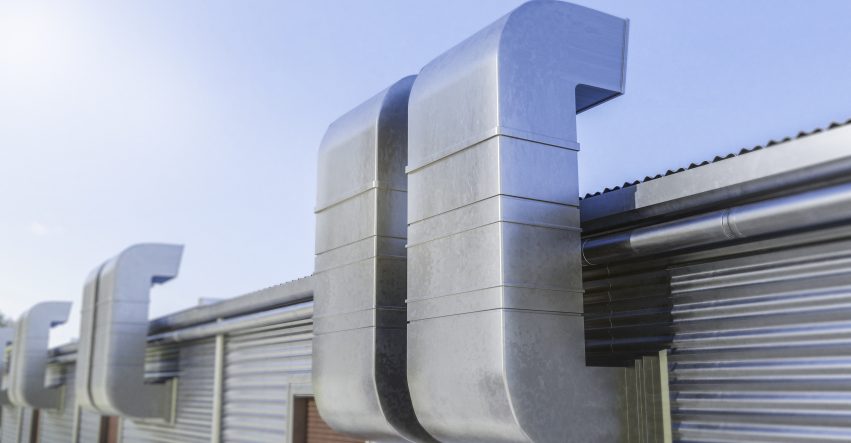
In the realm of building systems design, few elements are as critical to occupant comfort and energy efficiency as the Heating, Ventilation, and Air Conditioning (HVAC) system. Yet, a surprisingly common and costly mistake in both residential and commercial construction is improper HVAC sizing. Contrary to the popular belief that bigger is always better, the effectiveness of an HVAC system hinges on its ability to match the specific demands of the space it serves. This is why the concept of “right-sizing” an HVAC system is paramount, and why a “one-size-fits-all” approach often leads to significant inefficiencies, discomfort, and inflated costs.
In this article, we explore the science and strategy behind HVAC sizing, why precision matters, and how MEP engineering firms like InnoDez play a crucial role in ensuring systems are correctly sized for optimal performance.
HVAC sizing refers to the process of determining the correct capacity of heating and cooling equipment needed for a building. It is typically measured in BTUs (British Thermal Units) per hour. This calculation isn’t arbitrary—it is based on a multitude of factors including the building’s square footage, orientation, insulation levels, number of windows, occupancy, internal heat gains, and local climate.
Proper HVAC sizing ensures that the system operates efficiently and maintains a consistent and comfortable indoor environment. A system that is too small will struggle to keep up with heating or cooling demands, leading to discomfort and system strain. Conversely, an oversized system will cycle on and off frequently—known as short cycling—which reduces efficiency, increases wear and tear, and leads to poor humidity control.
One of the most persistent myths in HVAC sizing is that a larger unit will heat or cool faster and perform better. While it’s true that an oversized unit may bring a room to temperature quickly, it does so at the cost of efficiency and comfort. These systems often fail to run long enough to properly dehumidify the air, especially in humid climates, leading to a cold but clammy environment.
Even buildings of identical square footage can have vastly different HVAC requirements. A south-facing glass office in Los Angeles will have different thermal gains than a shaded brick school in Chicago. Failing to account for these variables results in miscalculated loads and underperforming systems.
This assumption often leads to problems. Older HVAC systems may have been incorrectly sized to begin with, and building usage or insulation may have changed over time. A comprehensive load calculation must be performed before any replacement.
Right-sizing an HVAC system is one of the most effective ways to reduce energy consumption. A unit that is too large wastes energy during frequent short cycles, while an undersized unit consumes more power running constantly and inefficiently.
An accurately sized HVAC system maintains steady temperatures and humidity levels, promoting better comfort and health. This is especially important in commercial environments like hospitals, offices, and schools, where occupant satisfaction is directly linked to productivity and well-being.
Properly sized systems operate within their intended capacity range, minimizing strain on components and reducing the likelihood of breakdowns. This extends the system’s operational life and lowers maintenance costs.
Although right-sizing might involve a higher upfront design cost, it reduces long-term operational expenses through lower energy bills and fewer service calls. This is where professional MEP (Mechanical, Electrical, and Plumbing) engineering services, like those provided by InnoDez, add significant value.
To ensure an accurate load calculation, several variables must be analyzed:
The geographic location of the building affects its heating and cooling needs. HVAC loads for a building in Florida will be cooling-dominated, whereas a structure in Minnesota will primarily require heating.
The direction the building faces impacts solar heat gain. South- and west-facing windows typically receive more sunlight and require additional cooling consideration.
High-quality insulation and air sealing reduce HVAC loads by limiting heat transfer. Buildings with poor envelopes require larger systems to compensate for heat loss or gain.
The number, size, and type of windows affect how much heat enters or leaves a building. Low-emissivity (Low-E) glazing, window shading, and double or triple panes can significantly impact sizing needs.
The number of people regularly in the space contributes to the internal heat load. Commercial buildings with dense occupancy require additional cooling capacity.
Office equipment, lighting systems, and appliances generate heat. These internal gains must be included in the load calculation to avoid undersizing.
A Manual J load calculation (for residential buildings) or Manual N (for commercial buildings), developed by the Air Conditioning Contractors of America (ACCA), is the industry standard for sizing. These calculations consider all the aforementioned variables to determine the exact heating and cooling needs.
Professional MEP firms like InnoDez use sophisticated energy modeling software and simulation tools to perform accurate load assessments. These tools account for hourly changes in outdoor temperature, solar heat gain, and internal loads—ensuring that the HVAC system performs reliably year-round.
InnoDez is a leader in MEP engineering, known for its comprehensive and customized HVAC design services. Their approach goes beyond rule-of-thumb calculations, offering tailored solutions for every building type and climate.
InnoDez integrates architectural, structural, and mechanical considerations early in the design process. This ensures HVAC systems are not an afterthought but a core part of the building’s efficiency strategy.
Using state-of-the-art tools like EnergyPlus, eQUEST, and Trane TRACE, InnoDez simulates building performance under various scenarios. This allows their engineers to fine-tune HVAC capacities and optimize energy usage.
Instead of offering generic HVAC recommendations, InnoDez tailors systems to the specific needs of each building. Whether it’s a small restaurant or a high-rise hotel, their engineers design systems that are just the right size for comfort, sustainability, and performance.
With an eye on green building standards and local codes, InnoDez ensures that HVAC sizing contributes to LEED certification, Title 24 compliance (in California), and ASHRAE guidelines, reducing both environmental impact and legal risks.
To illustrate why sizing matters, let’s look at a few scenarios:
A new school in Texas installed an HVAC system that was 30% larger than needed. The oversized units short-cycled continuously, resulting in poor humidity control. Mold issues developed in several classrooms, leading to health complaints and expensive remediation.
A trendy restaurant in downtown Los Angeles underestimated its occupancy and internal heat gains. The HVAC system was consistently overworked, causing frequent breakdowns and customer discomfort—ultimately hurting business.
In contrast, a mixed-use building designed by InnoDez in San Francisco featured a precisely sized HVAC system tailored to each zone’s use and occupancy. The result was a 28% reduction in annual energy consumption and a 95% tenant satisfaction rate.
Modern HVAC design doesn’t stop at load calculations. Zoning—dividing a building into areas with individual temperature control—enhances performance and comfort further.
For instance, office buildings with open floor plans benefit from zoned HVAC systems that address varying occupancy and sunlight exposure. InnoDez incorporates zoning into their HVAC layouts to ensure each part of a building receives the exact conditioning it needs, reducing waste and improving control.
Even the most perfectly sized HVAC unit can underperform if the ductwork is poorly designed. Duct sizing, layout, and sealing directly affect system efficiency. Oversized ducts can reduce air velocity, while undersized ducts create noise and pressure drops.
InnoDez’s mechanical engineers consider duct design as a critical part of their MEP strategy. Using tools like CFD (Computational Fluid Dynamics) modeling, they ensure even air distribution and efficient airflow throughout the building.
As smart buildings become the norm, HVAC systems are evolving. Smart thermostats and AI-driven Building Management Systems (BMS) now play a role in optimizing performance based on real-time occupancy and weather data.
Future HVAC sizing will also consider adaptability—systems that can scale up or down as needed, using variable-speed compressors and modular equipment. InnoDez is already implementing these technologies, ensuring their MEP designs are future-ready and scalable.
The message is clear: HVAC sizing is not a guessing game. It’s a science that requires detailed analysis, expert judgment, and a tailored approach. A one-size-fits-all mentality leads to wasted energy, uncomfortable environments, and increased operational costs.
Partnering with an experienced MEP engineering firm like InnoDez ensures that your HVAC systems are neither too big nor too small—but just right. Their commitment to precision, performance, and sustainability makes them a trusted choice for developers, architects, and building owners nationwide.
When it comes to HVAC sizing, custom solutions built on solid engineering are not just a good idea—they’re essential.
Need MEP Design Expertise?
Whether you’re building a commercial high-rise, a school, or a luxury residence, trust InnoDez to deliver MEP designs that prioritize efficiency, comfort, and compliance. Visit InnoDez.com to learn more about how their HVAC and MEP services can power your next project.


