
- Mon-Fri 9am-5pm
- hello@innodez.com
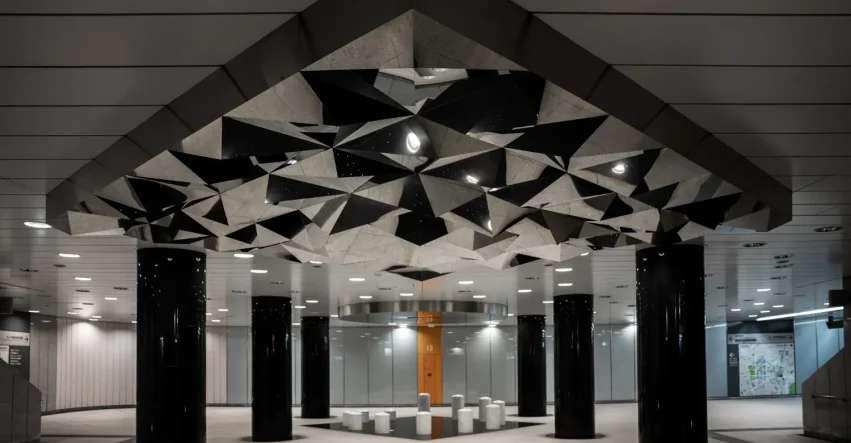
Retail spaces win when lighting does two things at once: it helps people feel relaxed and in control, and it presents merchandise with clarity and appeal. Those outcomes are not luck. They come from a plan that balances luminance, color quality, uniformity, and controls without harsh brightness or wasted watts. This guide lays out a practical approach to retail lighting design that sells, protects comfort, and satisfies code while staying friendly to install and maintain.
Every store has a slightly different brand promise, but the lighting brief repeats. Circulate customers smoothly, reveal shape and texture, avoid glare that makes eyes work hard, and keep staff safe at counters and back of house. Write those outcomes as measurable targets before sketching fixtures: maintained illuminance at key planes, comfortable luminance ratios in the field of view, and simple scenes aligned to trading patterns. With expectations written down early, design choices become faster and more consistent.
Good retail is layered, not a single blanket of light. General lighting provides an even canvas for circulation and task. Accent lighting then creates focal points for product features, brand moments, and seasonal displays. A soft vertical wash on perimeter walls helps the eye judge brightness without pushing ceiling outputs too high. For many shops this means a base of wide beam downlights or evenly spaced linear runs, combined with track accents that highlight merchandise at eye level.
Glare pushes customers away from displays and shortens dwell time. Control it by managing luminance contrasts and shielding light sources within common viewing angles. The goal is smooth transitions between bright and less bright areas so the eye can relax.
Color drives emotional tone and product trust. Aim for 90+ CRI with strong R9 to keep reds vivid, which matters in fashion, beauty, and food. Maintain tight binning for CCT so scenes do not look patchy. Many retailers land at 3000 to 3500 K since that range invites browsing while keeping whites crisp and metals lively. If the brand leans cooler, use a slightly cooler tone at the storefront and a warmer tone in fitting rooms to flatter skin. Whatever the palette, keep it consistent within each view so merchandise looks intentional rather than accidental.
Controls should be useful without a manual. Staff need a short set of scenes mapped to trading patterns, not a wall of buttons.
Where daylight is present, closed loop sensors can trim the base layer while leaving accents steady. Time scheduling and vacancy sensors reduce waste in stock rooms, corridors, and offices. In multi tenant sites, consider a submeter or smart plug monitoring so the ops team can see real savings, not guesses. If your project includes larger electrical scope, thread scenes and loads into panel schedules with a coordinated approach.
You need energy compliance and visual quality. Choose high efficacy luminaires with responsible optics rather than chasing raw lumens. Replace rows of broad floods with fewer, better aimed accents. Most jurisdictions require lighting power limits, automatic shutoff, and sometimes daylight response. Keep the documentation simple: list where sensors apply, which zones dim, and what scenes satisfy the rules. In multi tenant sites, consider a submeter for lighting so operations can measure savings directly and tune schedules with real data.
Calm ceilings require early teamwork. Confirm duct routes so they do not collide with coves or track heads. Keep sprinklers in mind when laying out grids, and expect minor adjustments after ceiling elevations are set. Air delivery matters for comfort yet must avoid blowing directly across accent beams. Where coffee or food service is nearby, plan odor control and pressurization while preserving the lighting composition. A compact basis of design that states illuminance, glare limits, airflow, and noise targets keeps everyone aligned. If you need a single team to connect these decisions, the InnoDez MEP Engineering page shows how the firm ties lighting, power, and HVAC into one package: InnoDez MEP Engineering.
Plan reviewers and landlords move quickly when drawings are clear. Include a simple one line or riser for control networks and dimming, label control zones on the floor plan, and use schedules that list driver type, distribution, shielding, CCT, CRI, mounting, and emergency behavior. For retrofits, add a note on any existing circuits reused to prevent field questions at the first inspection. When photometric evidence is requested, provide a clean plot showing maintained levels at circulation, fitting rooms, counters, and stock areas.
Lighting is not done at switch on. Commissioning and aiming turn a good design into a great space. After fixtures are installed and shelves are stocked, aim accents for the real display height, not the drawing height. Tune beams so highlights land on product, not the floor. Minimize bare lamp views from the approach. Save and label final scenes, then document how staff can adjust seasonal looks without resetting everything.
Maintenance should be part of the brief. Select fixtures with easy access for cleaning. Keep a small stock of drivers and a few spare heads. Create a simple calendar for dusting, lens cleaning, and filter checks where needed. A tidy plan keeps the store looking fresh long after opening.
Retail lighting that sells without glare comes from disciplined layers, credible color, and simple controls. If you set clear targets for illuminance and luminance ratios, keep optics shielded, coordinate ceilings with services, and document scenes that staff can actually use, your store will feel calm and premium while the products do the talking.
If you want a pragmatic package that covers layout, photometrics, scenes, and power while staying friendly to permit and installation, the team at InnoDez can help. See recent work at InnoDez Projects and start a brief at InnoDez Contact.


