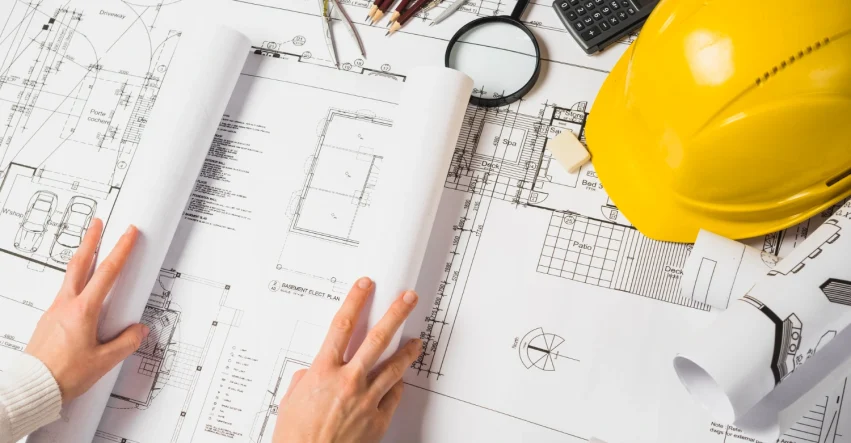
How Engineering Firms Can Help Fast-Track Building Permits Across Different States
Published: June 21, 2025
Table of Contents
- Introduction
- More Than Safety: Structural Design as Experience Design
- Structural Considerations in Hospitality Spaces
- The Acoustic Engineer’s Best Friend: Mass, Isolation, and Damping
- Fire & Seismic Safety in High-Occupancy Entertainment Venues
- Structural Flexibility for Creative Interior Layouts
- Exposed Structures: Where Aesthetics Meet Engineering
- Case Study: Multi-Use Hotel & Event Centre in California
- Collaboration Between Structural Engineers & Architects
- Conclusion: The Guest Experience Begins with the Frame
1. Introduction
When people walk into a theatre, restaurant, or hotel, they rarely think about the beams above their heads or the loads beneath their feet. But without careful structural planning, the entire guest experience could fall flat—literally. Structural engineers are the silent enablers of function, comfort, and ambience.
2. More Than Safety: Structural Design as Experience Design
In hospitality, structural systems define more than what stands—they define how spaces feel. The absence of columns in a ballroom? That’s a structural design feat. The smooth transition from indoor to outdoor space in a rooftop bar? That’s advanced lateral bracing and moment frames at work.
3. Structural Design Considerations in Hospitality Spaces
-
Vibration Control: Especially critical for spaces with dance floors or rooftop lounges.
-
Span Freedom: Large open areas with minimum vertical interruptions.
-
Load Management: For dynamic occupancies like banquet halls or gyms.
-
Integration with MEP: Avoiding conflicts between ductwork and beam placement.
4. The Acoustic Engineer’s Best Friend: Mass, Isolation, and Damping
Structural decisions directly affect sound transmission. Engineers must factor in floor mass, slab thickness, floating slabs, and vibration isolators to reduce noise in hospitality venues—especially those with adjacent uses like spas above restaurants.
5. Fire & Seismic Safety in High-Occupancy Entertainment Venues
Structural design is at the core of life-safety compliance. Engineers select framing systems, joint reinforcements, and fire-resistive materials to maximize evacuation time and structural integrity during seismic or fire events.
6. Structural Design Flexibility for Creative Interior Layouts
Entertainment spaces often demand change—pop-up events, rotating exhibits, or mobile stages. Structural systems must allow for these changes without compromising load paths or integrity.
7. Exposed Structures: Where Aesthetics Meet Engineering
Increasingly, architects and interior designers are requesting exposed beams, trusses, and even connections as aesthetic features. Structural engineers must balance this visual demand with performance and safety, often using hybrid materials like steel-timber or steel-glass combinations.
8. Case Study: Multi-Use Hotel & Event Centre in California
InnoDez designed the structural system for a 7-storey hospitality venue with event spaces, a rooftop bar, and underground parking. Our design included:
- Steel moment frames for open spans
- Acoustic isolation slabs for the entertainment floor
- Slender concrete cores to free up corner suites
- Coordination with MEP for invisible integration
9. Collaboration Between Structural Engineers & Architects
When collaboration happens early, structural solutions become enablers of design—not constraints. From atriums and cantilevers to floating staircases and mezzanines, InnoDez engineers help architects bring bold visions to life.
10. Conclusion: The Guest Experience Begins with the Frame
Structural engineering in hospitality isn’t just about compliance—it’s about enhancing ambience, comfort, and function. At InnoDez, we see ourselves as silent partners in unforgettable guest experiences. Because every great moment needs a strong foundation.
Let’s build your next hospitality venue together – Request a consultation.