
- Mon-Fri 9am-5pm
- hello@innodez.com
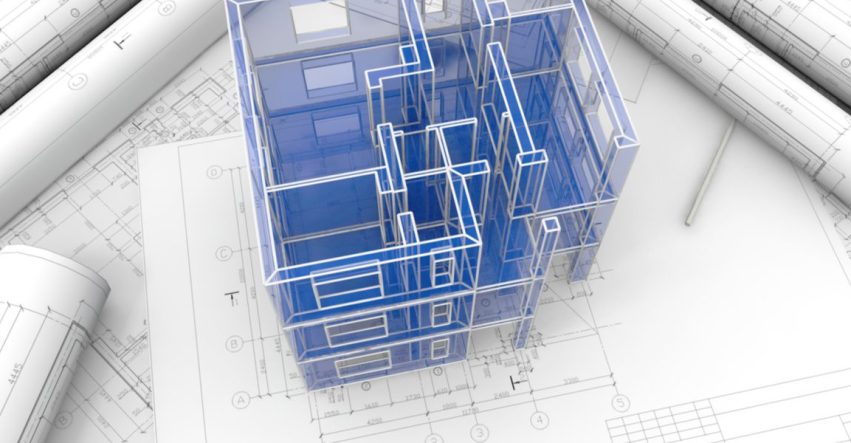
In any construction project, Mechanical, Electrical, and Plumbing (MEP) systems play a crucial role in ensuring the building’s functionality and comfort. However, coordinating these complex systems can be challenging, leading to costly errors and delays. MEP coordination involves aligning the design and installation of mechanical, electrical, and plumbing components to ensure they work together seamlessly.
Traditionally, MEP coordination relied on 2D drawings and manual coordination efforts, which often resulted in clashes and conflicts between different components. This disjointed approach led to rework, project delays, and increased costs. However, with the advent of Building Information Modeling (BIM), MEP coordination has been revolutionized.
Before we delve into the benefits of using BIM for MEP coordination, let’s examine the challenges that traditional methods face. Inaccurate and outdated 2D drawings, lack of coordination between different disciplines, and miscommunication among stakeholders are some of the common obstacles faced in MEP coordination.
Moreover, without a centralized platform for collaboration, it becomes difficult to identify clashes and resolve them before construction begins. These coordination issues can lead to costly rework, delays in project timelines, and compromised quality.
Building Information Modeling (BIM) offers a transformative solution to overcome the challenges in MEP coordination. By creating a digital representation of the building and its systems, BIM enables architects, engineers, and contractors to collaborate seamlessly. This integrated approach allows for better coordination between mechanical, electrical, and plumbing elements, resulting in improved project outcomes.
One of the key benefits of using BIM for MEP coordination is clash detection. With BIM, clashes between different MEP components can be identified virtually, allowing teams to resolve them before construction starts. This proactive approach minimizes rework, reduces project costs, and ensures a smoother workflow.
Additionally, BIM facilitates accurate cost estimation by providing a comprehensive view of the building’s systems. This helps in optimizing material usage, streamlining procurement, and avoiding budget overruns. The ability to visualize the MEP systems in 3D also enhances communication among stakeholders, enabling better decision-making and reducing errors.
Innodez, a leading provider of BIM solutions, offers advanced MEP design software that further enhances the coordination process. Innodez MEP Design is specifically designed to streamline MEP coordination, providing a comprehensive set of features to optimize project efficiency.
One of the standout features of Innodez MEP Design is its intuitive 3D modeling capabilities. The software allows users to create detailed 3D models of MEP systems, providing a visual representation of how different components interact. This visual clarity enables easier identification of clashes and conflicts, leading to improved coordination.
Innodez MEP Design also includes powerful clash detection algorithms. By running clash detection simulations, the software identifies clashes between different MEP elements, such as ductwork, piping, and electrical conduits. This proactive approach minimizes the occurrence of clashes during construction, saving time and reducing rework.
Another notable feature of Innodez MEP Design is its accurate cost estimation functionality. The software enables precise estimation of material quantities, labor costs, and project timelines. This helps in optimizing the budget and ensuring projects stay on track.
Innodez MEP Design seamlessly integrates with Building Information Modeling workflows, leveraging the power of BIM to enhance MEP coordination. The software allows users to import BIM models and collaborate with other project stakeholders in real-time. This collaborative approach ensures that everyone involved has access to the most up-to-date information, reducing the chances of miscommunication and errors.
The 3D models created in Innodez MEP Design can be easily synced with the BIM model, providing a holistic view of the building and its MEP systems. This integration enables better visualization, clash detection, and coordination between different disciplines.
Furthermore, Innodez MEP Design’s clash detection capabilities complement BIM’s clash detection functionality, providing an additional layer of accuracy and efficiency. The software’s intelligent algorithms identify clashes and conflicts, allowing teams to resolve them collaboratively.
To showcase the effectiveness of BIM in MEP coordination, let’s explore a few case studies where Innodez MEP Design has been successfully implemented.
In a large-scale commercial office building project, the implementation of BIM and Innodez MEP Design resulted in significant time and cost savings. The 3D modeling capabilities of Innodez MEP Design allowed the design team to identify clashes between the HVAC system and electrical conduits before construction began. This early clash detection prevented costly rework and minimized project delays.
During the renovation of a hospital, the use of BIM and Innodez MEP Design enabled seamless coordination between the existing MEP systems and the new installations. The clash detection feature of Innodez MEP Design ensured that the new plumbing and electrical systems did not interfere with the existing infrastructure. This led to a smooth renovation process and uninterrupted operations in the hospital.
In a residential complex project, BIM and Innodez MEP Design facilitated coordination between multiple contractors working on different MEP systems. The software’s real-time collaboration capabilities allowed the contractors to share information and resolve clashes efficiently. As a result, the project was completed on time, within budget, and with minimal rework.
Implementing BIM in MEP coordination with Innodez MEP Design requires a systematic approach. Here are the key steps to follow:
Innodez understands the importance of training and support when implementing BIM in MEP coordination. They offer comprehensive training programs to help users effectively utilize their MEP design software. From basic BIM principles to advanced clash detection techniques, Innodez’s training ensures that users have the necessary skills to optimize MEP coordination.
In addition to training, Innodez provides dedicated customer support to assist users with any technical issues or queries they may encounter during their MEP coordination projects. Their support team is available to address concerns promptly and ensure a smooth implementation of BIM with Innodez MEP Design.
MEP coordination is an integral part of any construction project, and its optimization is crucial for project success. Building Information Modeling (BIM) has revolutionized MEP coordination by providing a collaborative platform for stakeholders to work together efficiently.
Innodez MEP Design complements BIM workflows, offering advanced features such as 3D modeling and clash detection to enhance coordination accuracy. Through successful case studies and a systematic implementation approach, it is clear that integrating BIM with Innodez MEP Design leads to improved project outcomes, reduced costs, and enhanced collaboration.
Embrace the power of BIM and Innodez MEP Design to optimize your MEP coordination process and experience a new level of efficiency, accuracy, and collaboration in your projects. Say goodbye to costly coordination errors and welcome a streamlined MEP design process with Innodez’s innovative solutions.


