
- Mon-Fri 9am-5pm
- hello@innodez.com
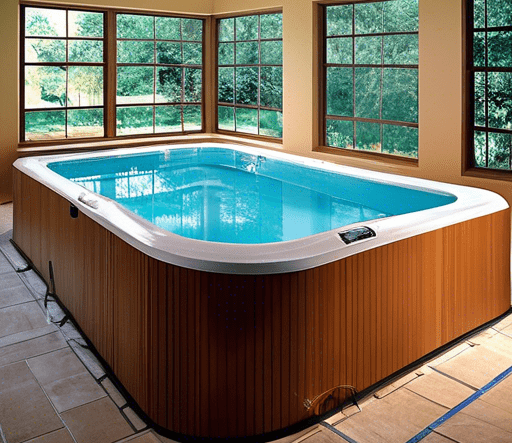
Unlike outdoor pools, indoor swimming pools add year-round enjoyment and value to your property since they’re not subjected to weather conditions outside. However, to enjoy continued pool satisfaction all year round as intended, you have to install an efficient heating system. This will help to heat the pool water, dehumidify the pool room, and heat the air in the room during the cold winter seasons.
The only potential downside of heating an indoor pool is that they’re costly to operate as they lead to a significant increase in energy costs. For that reason, there are various factors you need to consider when installing a heating system for your indoor pool to operate it more economically and keep the energy costs down.
In this article, we’ll look at various ways to keep your indoor swimming pool heating costs down and popular heating systems you can use!
Since most indoor swimming pools have similar requirements, there are many different options pool owners can use to maintain proper water temperature. However, pools in different applications like residential vs commercial uses may require different heating methods. Also, pool size will play a crucial role in determining the ideal heating technique since larger swimming pools need more energy to heat. All these considerations will play an important role in determining the right type of heating system for your specific indoor pool.
Another factor you need to consider when choosing a heating system for your indoor pool water is the geographical location of the pool. If you live in an area with warm weather all year round, high outdoor temperatures and sunlight may do most of the heating for you, especially if your indoor pool building has a greenhouse-style design. In addition, you can install dehumidifiers that draw heat from the refrigeration cycle back into the swimming pool to aid in water heating during normal outdoor conditions.
However, if you live in an area that experiences adverse environmental conditions and harsh winters, you need to dedicate more resources to handle these elements. Most indoor pool owners in cold climates use dedicated pool water heating systems that run on LP/ natural gas or electricity.
In addition, similar to outdoor pools, indoor swimming pools experience different levels of usage at different times of the year. For instance, indoor pools in hotels see less usage during the warm months since most people prefer the available outdoor swimming pool. In that case, you should consider installing a heating system that is easily adjustable to match the actual needs of your pool.
Lastly, you have to put the temperature preference of the indoor pool patrons into consideration when designing a heating system for your pool. If you intend to use the pool for working our por exercising, the pool temperature should be maintained at around 78 deg F. However, if the pool is intended to offer more relaxing conditions, such as in a senior-care facility, the temperature should be maintained as high as 88 deg F.
Although pool covers are commonly used in outdoor pools to reduce the amount of daily cleaning required, they’re also a great option when trying to heat your indoor pool. It will prevent heat loss when you’re not using the pool, thus reducing the workload of the heating system. Moreover, this will make it cheaper and easier to return your pool to the desired temperature when you turn the heating system back on.
A solar pool heater is one of the most economical and eco-friendly options for heating an indoor swimming pool. Thanks to its ability to significantly reduce the energy costs needed to maintain your pool water at a comfortable temperature. The only drawback of investing in a solar pool heater is that the initial cost can be quite high. However, its running costs are negligible, plus it’s a very pleasant way to reduce your energy bills, saving you even more money in the long run.
The recommended average temperature for indoor swimming pools is 78 deg F and 82 deg F for lap swimmers and recreational swimmers respectively. Surprisingly, increasing the pool temperature by just 1 deg F can increase the heating costs by as much as 10%. For that reason, you should consider reducing the pool temperature to about 60 deg F when the pool isn’t in use.
More importantly, you should keep the indoor pool room heated to 2 – 4 deg F warmer than the pool water temperature. This will reduce the rate at which water evaporates into the surrounding air, thus preventing energy and water loss through evaporation. Even better, this will prevent the heating system from overworking to maintain the desired pool water temperature.
Traditionally, indoor swimming pools have been heated with gas and electric resistance heating systems. Unfortunately, both heating options have relatively high running costs, which is why you should consider switching to a heat pump system. Although heat pumps are also powered by electricity, they don’t generate heat. Instead, they extract heat from the surrounding air and distribute it to the indoor pool water through heat exchangers and refrigerants. This makes them a far more energy-efficient system to heat your pool as they can generate up to 5kW of heat for 1kW of energy, provided the air temperature is above 10 deg C. However, there are specific pool heat pumps that can be used at a lower temperature.
How Innodez can Help!
InnoDez Design & Engineering is committed to helping indoor pool owners in California create energy-efficient pools that are comfortable to use all year round. Contact us today for more information on how to create the ideal heating design for your indoor swimming pool!


