
- Mon-Fri 9am-5pm
- hello@innodez.com
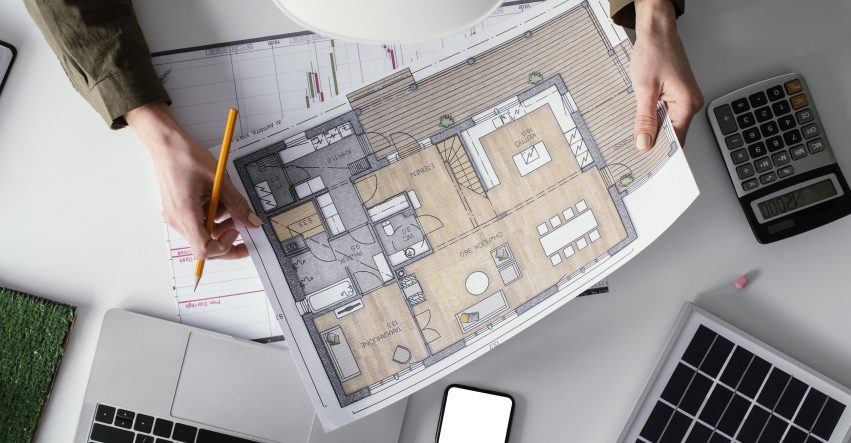
When designing any commercial, residential, or industrial structure, one often overlooked yet critically essential element is the lighting layout within the MEP (Mechanical, Electrical, and Plumbing) plans. Lighting is more than just an aesthetic or functional feature; it plays a fundamental role in safety, energy efficiency, occupant well-being, and the overall performance of the building. A carefully planned lighting layout ensures seamless integration with other MEP systems, compliance with local codes, and support for sustainable building practices.
At InnoDez, a leading MEP design firm in the United States, the emphasis is on creating integrated, intelligent, and sustainable lighting solutions as part of comprehensive MEP engineering plans. In this article, we will explore why incorporating a lighting layout in your MEP plans is not just beneficial but necessary.
The MEP design of a building forms the core of its operational systems. Lighting, as part of the electrical design, interacts closely with both mechanical and plumbing systems. Whether it’s aligning lighting with HVAC equipment, accommodating lighting needs in wet areas, or ensuring access to emergency backup power systems, lighting design must coordinate with the broader MEP scope.
Incorporating lighting layouts early in the MEP design process allows engineers to plan circuits, switchboards, conduit routes, controls, and safety mechanisms efficiently. It ensures there’s no clash with ductwork, piping, or fire protection systems and contributes to a smooth construction and maintenance process.
A lighting layout is a blueprint of the lighting design within a building. It shows where lights will be placed, what type of fixtures will be used, how they will be controlled, and how they connect to the electrical system. This layout is crucial for several reasons:
Each space in a building has unique lighting requirements. For example:
A lighting layout calculates the lux levels (illumination intensity) to ensure optimal brightness for each room’s function.
Lighting is a significant energy consumer in buildings. A lighting layout ensures that the system complies with national and local energy codes, such as:
Designers at InnoDez use advanced lighting design tools to simulate energy usage and ensure code compliance through efficient fixture selection and intelligent controls.
Modern lighting layouts integrate with smart controls, such as occupancy sensors, daylight harvesting systems, dimmers, and automation platforms. These systems must be preplanned and coordinated with electrical panels, data systems, and HVAC controls.
A building’s lighting is critical to its safety infrastructure. Without a proper layout, emergency pathways may not be adequately illuminated, posing significant risks during power outages or evacuations.
Lighting layouts include emergency lights and exit signs connected to backup power systems (such as battery packs or generators). These components must meet NFPA 101 (Life Safety Code) and IBC standards, ensuring safe egress in an emergency.
Lighting layouts must also account for fire alarm systems, intercoms, and other low-voltage components. For instance, stairwells often require integration of lighting with fire alarm signals for safe evacuation.
InnoDez’s MEP team coordinates these elements early in the design phase, preventing rework during construction and ensuring life-safety systems function flawlessly.
Lighting isn’t just about function—it’s a major element of a building’s visual and experiential identity. In commercial buildings, retail spaces, and hospitality venues, lighting defines the brand experience.
Lighting layouts must align with:
InnoDez collaborates with architects to ensure lighting enhances the architectural design while maintaining technical feasibility.
The placement and type of fixtures—such as recessed lights, pendants, track lighting, or wall washers—affect both form and function. The layout ensures uniformity, prevents glare, and enhances interior design elements.
Sustainable lighting design is a key component of certifications like LEED, WELL, and Green Globes. A lighting layout helps achieve points in these programs by:
Lighting layouts that integrate daylight sensors can reduce artificial lighting use when natural light is available. This strategy significantly lowers energy consumption.
Lighting power density (LPD) is a key metric in green building. A well-crafted layout ensures compliance with LPD limits while maintaining visual comfort.
At InnoDez, lighting layouts are developed using software like DIALux, Revit, and AutoCAD, enabling detailed analysis and documentation that supports sustainable goals.
An optimized lighting layout reduces construction costs, material waste, and energy bills over the building’s life cycle.
Without a calculated layout, spaces are often over-lit, leading to excessive energy use and increased heat load—affecting HVAC performance.
A lighting layout allows for efficient circuit planning, minimizing wire runs, transformer loads, and breaker sizes. This reduces material costs and labor.
Lighting layouts also indicate fixture types and access zones, aiding in long-term maintenance planning. They help facilities teams replace lamps, troubleshoot circuits, and identify failing controls without disrupting operations.
Lighting systems interface with many building components, and their design cannot happen in isolation.
Lighting produces heat, which can affect HVAC loads. High-powered lights near thermostats or vents can create false readings or increase cooling demand. Lighting layouts coordinate with mechanical designs to mitigate such issues.
Wet areas like restrooms, kitchens, and utility rooms require waterproof fixtures, special wiring, and protective enclosures. These must be pre-identified in the lighting layout to meet NEC (National Electrical Code) and NEMA standards.
Lighting fixtures sometimes require supports, recesses, or mounts that affect ceilings or walls. InnoDez works closely with structural engineers to ensure seamless integration.
MEP plans, including lighting layouts, are reviewed by authorities having jurisdiction (AHJs) before construction permits are issued. A complete lighting layout provides the necessary:
InnoDez ensures all lighting layouts are detailed, stamped, and code-compliant to facilitate quick approvals and avoid costly revisions.
Lighting layouts are a crucial component of Building Information Modeling (BIM). When incorporated into 3D MEP models, they allow:
BIM-based lighting layouts improve construction accuracy, reduce RFIs (Requests for Information), and support prefab strategies.
Lighting layouts are not one-size-fits-all. Each building type requires a different lighting strategy:
InnoDez tailors lighting layouts to meet the unique needs of each sector, blending performance, safety, and style.
At InnoDez, we understand that lighting is both an art and a science. Our team of licensed MEP engineers, lighting designers, and code experts works collaboratively to develop lighting layouts that are elegant, efficient, and compliant.
We provide:
Whether you’re building a high-rise office, a boutique hotel, or a mixed-use development, InnoDez ensures your lighting layout enhances performance, aesthetics, and sustainability.
Lighting design is too important to be an afterthought. Without a proper lighting layout in your MEP plans, you risk energy inefficiency, non-compliance with codes, construction delays, and even safety hazards. A well-executed lighting layout is a foundation for building functionality, user experience, and long-term cost savings.
InnoDez combines innovation, engineering excellence, and practical experience to deliver lighting layouts that support your building’s success from concept to completion. When planning your next project, remember: don’t just install lights—design them intelligently as part of your MEP system.


