
- Mon-Fri 9am-5pm
- hello@innodez.com
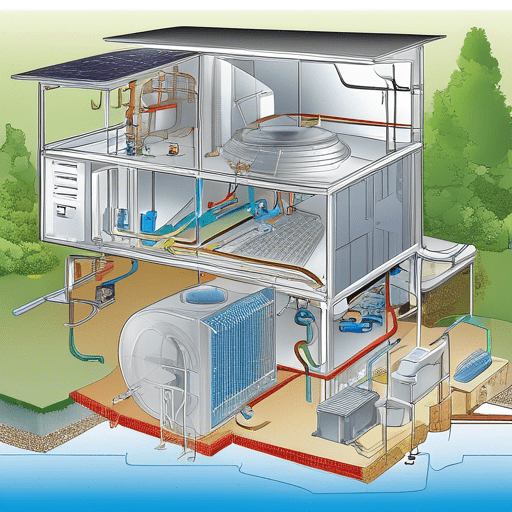
As the global shift towards sustainable and energy-efficient solutions gains momentum, the role of MEP (Mechanical, Electrical, and Plumbing) design becomes increasingly pivotal, especially in optimizing the performance of innovative technologies like ground-source heat pumps (GSHPs). This blog post delves into the symbiotic relationship between MEP design and the future of GSHPs, illustrating how their
Read More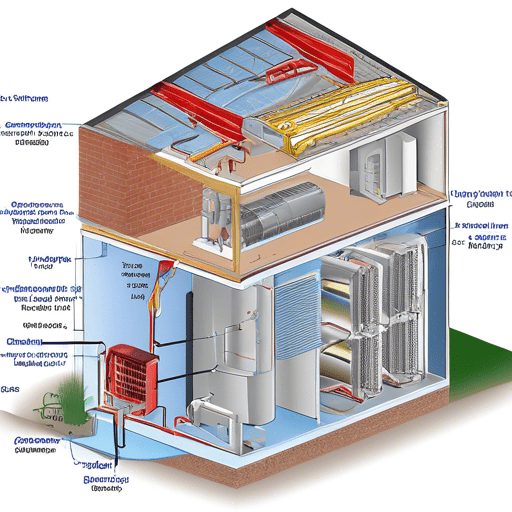
As the world advances toward a more sustainable future, innovative technologies like ground-source heat pumps (GSHP) are emerging as key players in the realm of decarbonization. This blog post explores the promising trajectory of ground-source heat pumps, shedding light on how MEP (Mechanical, Electrical, and Plumbing) design and HVAC design can play pivotal roles in
Read More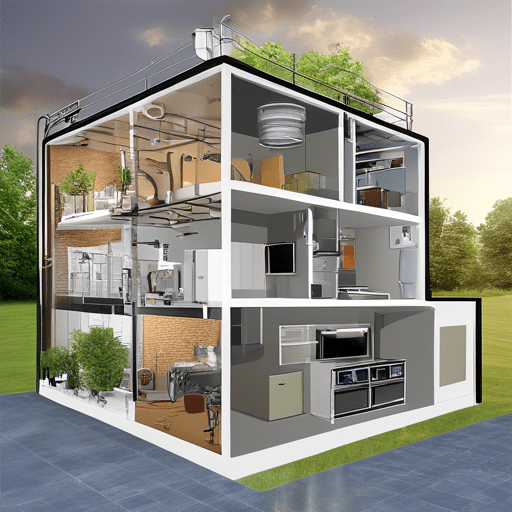
Decarbonization is the process of reducing greenhouse gas (GHG) emissions from the use of fossil fuels in various sectors, such as transportation, industry, and buildings. Buildings account for about 40% of carbon emissions in the U.S., and 80% of that is from electricity use. The remaining 20% is from the combustion of natural gas and
Read MoreIn the realm of Low-Rise Residential Buildings, innovative MEP (Mechanical, Electrical, and Plumbing) design strategies have become pivotal in achieving not only energy efficiency but also aligning with the principles of decarbonization. This blog post delves into the creative approaches that MEP engineers can employ to meet and exceed the requirements set forth by ASHRAE
Read More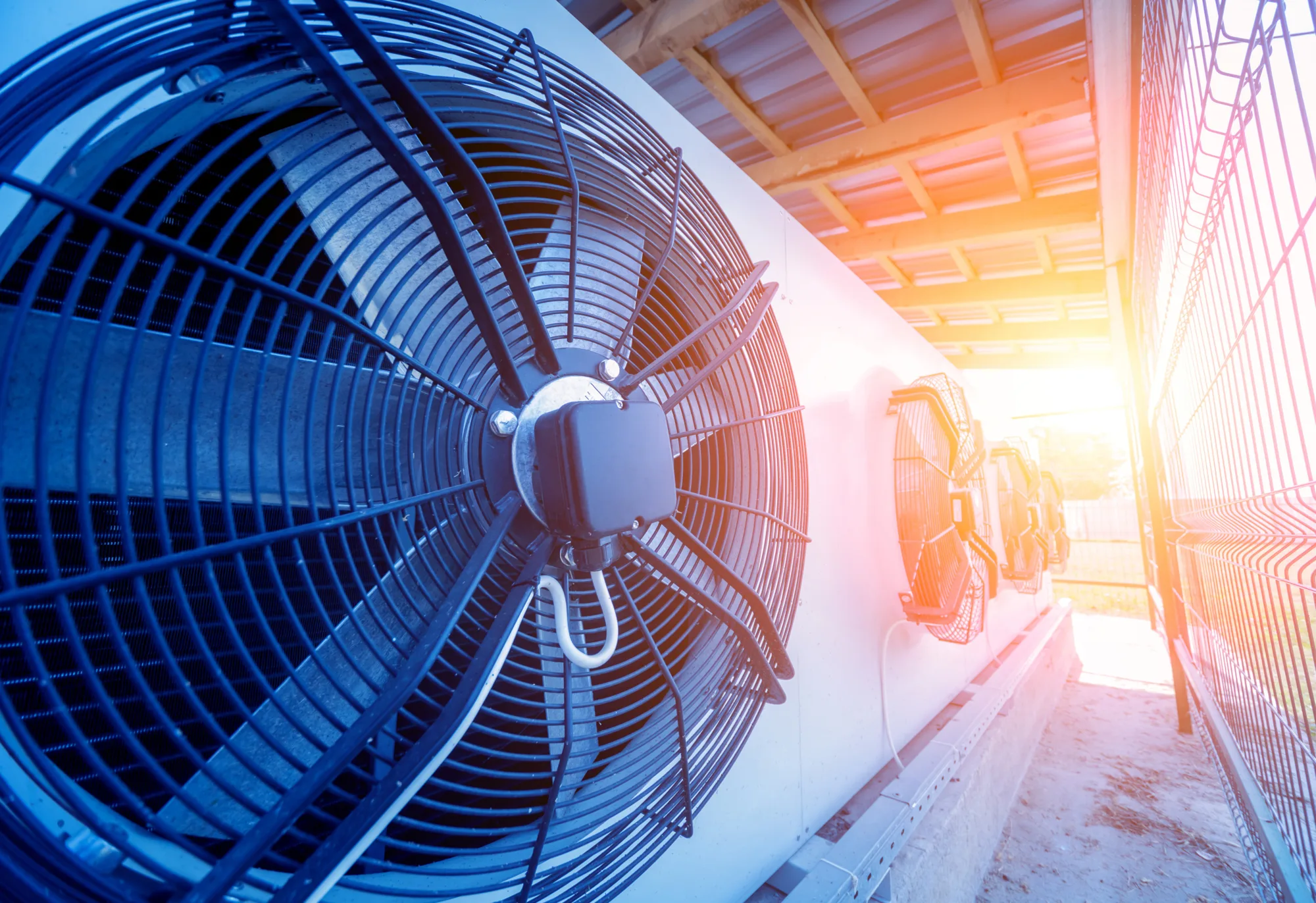
As the world grapples with the challenges of climate change, the future of HVAC (Heating, Ventilation, and Air Conditioning) design is undergoing a transformation towards sustainability and decarbonization. Residential buildings, in particular, play a crucial role in this shift, with initiatives like ASHRAE Standard 90.2 paving the way for energy-efficient and eco-friendly solutions. In this
Read More
The American Society of Heating, Refrigerating, and Air-Conditioning Engineers (ASHRAE) Standard 90.2 is more than just a set of guidelines for MEP (Mechanical, Electrical, and Plumbing) designers; it’s a powerful tool with far-reaching benefits for both residential building owners and occupants. This standard focuses on creating energy-efficient HVAC (Heating, Ventilation, and Air Conditioning) systems, and
Read More
In the fight against climate change, reducing greenhouse gas emissions is paramount. One significant contributor to these emissions is the energy consumption of residential buildings. For MEP (Mechanical, Electrical, and Plumbing) designers, ASHRAE Standard 90.2 is a crucial tool to combat this issue. This standard provides guidance on achieving energy-efficient HVAC (Heating, Ventilation, and Air
Read More
The growing concerns surrounding climate change and the need for sustainable building practices have put the spotlight on achieving energy efficiency and decarbonization in HVAC (Heating, Ventilation, and Air Conditioning) design. Low-rise residential buildings, such as single-family homes and small multi-family structures, play a significant role in the overall energy consumption of the built environment.
Read More
If you are looking for a way to optimize the heating, ventilation and air conditioning (HVAC) system of your commercial building, you may want to consider variable refrigerant flow (VRF) systems. VRF systems are a type of HVAC system that can provide simultaneous heating and cooling to different zones of a building, using a single
Read More
Variable refrigerant flow (VRF) systems are a type of HVAC system that can provide heating and cooling to multiple zones in a building using a single outdoor unit and multiple indoor units. VRF systems are becoming more popular in MEP design and engineering projects because of their energy efficiency, flexibility, and comfort. However, VRF systems
Read More
VRF Basics: What You Need to Know About Variable Refrigerant Flow Technology and HVAC Design Variable refrigerant flow (VRF) technology is a type of HVAC system that uses refrigerant as the cooling and heating medium, instead of water or air. VRF systems can provide simultaneous heating and cooling to different zones, as well as precise
Read More
The picturesque state of California boasts diverse landscapes, a variety of climates, and a complex geological history. However, these features also present unique challenges for structural engineers when it comes to building multi-story structures. One of the most critical aspects of ensuring the stability and safety of such buildings is the design of their foundations.
Read More