
- Mon-Fri 9am-5pm
- [email protected]

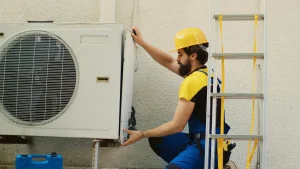
In the building design and construction industry, the terms MEP and HVAC are often mentioned together, sometimes interchangeably, but they refer to different scopes of building systems. Understanding the difference between MEP and HVAC is essential for architects, engineers, contractors, and building owners to ensure a well-coordinated, efficient, and safe building environment.
MEP stands for Mechanical, Electrical, and Plumbing. It refers to the integrated design and management of these three critical building systems that provide comfort, safety, and functionality to occupants. MEP encompasses a wide range of components including heating, ventilation, air conditioning, electrical power and lighting, water supply, drainage, and fire protection.
HVAC stands for Heating, Ventilation, and Air Conditioning. It is a subset of the mechanical part of MEP and focuses specifically on systems that regulate indoor climate and air quality. HVAC systems are responsible for heating spaces, ventilating fresh air, and cooling buildings to maintain comfortable and healthy environments.
The mechanical component of MEP includes HVAC but also extends to other systems such as refrigeration, domestic hot water distribution, elevators, escalators, and sometimes specialized mechanical equipment. Mechanical engineers design these systems to ensure efficient operation, energy conservation, and occupant comfort.
Mechanical systems are often the largest energy consumers in buildings, so their design directly impacts operational costs and sustainability. Engineers must balance performance with energy efficiency, often integrating renewable energy sources or advanced controls to optimize use.
The electrical systems within MEP cover power distribution, lighting, emergency systems, security, and communication wiring. These systems ensure that a building has reliable electricity for all functions and safety features.
Plumbing includes potable water supply, wastewater drainage, stormwater management, and fire suppression systems. Plumbing design must comply with health codes and ensure water efficiency and safety. Together, these systems support the building’s infrastructure and occupant needs.
HVAC systems are designed to control temperature, humidity, and air quality. They include equipment such as furnaces, boilers, chillers, air handlers, ductwork, and ventilation fans. HVAC engineers specialize in selecting and designing these components to meet building codes, energy efficiency standards, and occupant comfort requirements.
HVAC also involves controls and automation systems that optimize performance and energy use, integrating sensors and building management systems to maintain ideal indoor conditions. Proper HVAC design is critical for occupant health, especially in commercial and healthcare settings where air quality is paramount.
Recognizing the distinction between MEP and HVAC is crucial for effective project planning, budgeting, and execution. It ensures that the right experts are engaged at the right stages and that system designs are integrated seamlessly. Misunderstanding these terms can lead to coordination issues, cost overruns, or system inefficiencies.
For building owners and developers, this knowledge helps in evaluating proposals, understanding scopes of work, and ensuring compliance with codes and standards. For engineers and contractors, it promotes clearer communication and better collaboration across disciplines.
One of the biggest challenges in modern construction is the integration of MEP and HVAC systems with architectural and structural elements. Because these systems often occupy the same physical spaces—such as ceilings, walls, and mechanical rooms—careful coordination is essential to avoid clashes and ensure accessibility for maintenance.
Building Information Modeling (BIM) has become an invaluable tool in this process. BIM allows engineers and architects to create detailed 3D models of all building systems, enabling clash detection and collaborative design. This reduces costly on-site changes and improves overall project efficiency. Effective coordination also helps optimize system performance, ensuring that HVAC equipment is properly sized and that electrical and plumbing systems support mechanical loads reliably.
Despite advances in technology and design tools, MEP and HVAC projects often face challenges such as:
Addressing these challenges requires experienced engineers, early collaboration, and flexible design strategies. Proactive communication between all stakeholders is key to avoiding delays and ensuring the building meets performance expectations.
The MEP and HVAC industries are evolving rapidly with new technologies and sustainability goals. Some notable trends include:
Smart Building Systems: Integration of IoT sensors and AI-driven controls allows real-time monitoring and optimization of HVAC and electrical systems, reducing energy use and improving occupant comfort.
Electrification and Decarbonization: Moving away from fossil fuels toward electric heat pumps and renewable energy sources is reshaping HVAC design to meet net-zero building targets.
Modular and Prefabricated Systems: Off-site fabrication of MEP components reduces construction time and improves quality control.
Improved Indoor Air Quality: Enhanced filtration, UV treatment, and ventilation strategies are becoming standard to address health concerns.
Water Efficiency: Plumbing designs increasingly incorporate greywater reuse and low-flow fixtures to conserve water.
In summary, HVAC (Heating, ventilation, and air conditioning) is a vital subset of the broader MEP systems that together ensure a building’s operational success. While HVAC focuses on the indoor environment’s heating, ventilation, and air conditioning, MEP encompasses these and much more, including electrical and plumbing services. Understanding the difference between MEP and HVAC is essential for anyone involved in building design, construction, or management to create efficient, safe, and comfortable spaces.
Ready to optimize your building’s systems with expert MEP and HVAC design? Contact InnoDez today for professional engineering solutions that ensure comfort, efficiency, and reliability in every project. Let us help you build smarter and greener!


