
- Mon-Fri 9am-5pm
- [email protected]
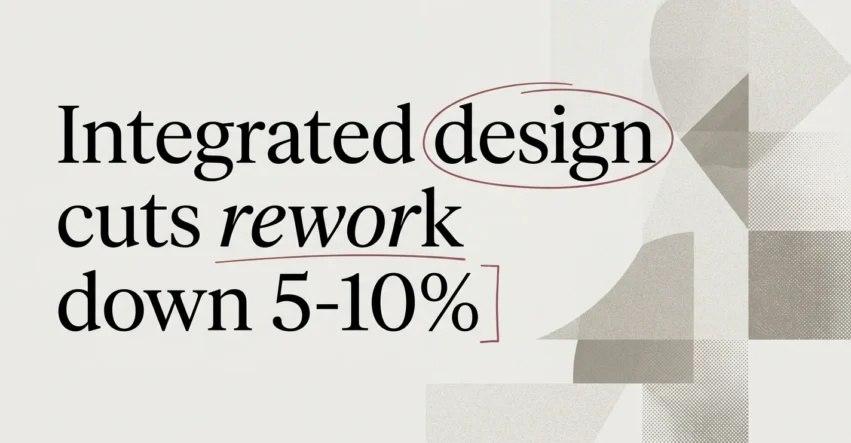
A developer gets fewer surprises in the field when one team handles mechanical, electrical, plumbing, structural, and civil design together. That is what integrated engineering design services deliver, and it is the core of how InnoDez works. The firm coordinates every discipline inside a shared model, so conflicts get resolved on the drawing board instead of becoming expensive change orders during construction.
This guide explains what that coordination buys you, how the process runs from concept to construction documents, and which project types benefit most.
Integrated engineering design services keep every discipline in one conversation, which is where most project savings come from. Rework can consume a meaningful share of a project's total value, and that share climbs on jobs where coordination is weak. A large part of that waste starts as a conflict between systems that nobody caught on paper.
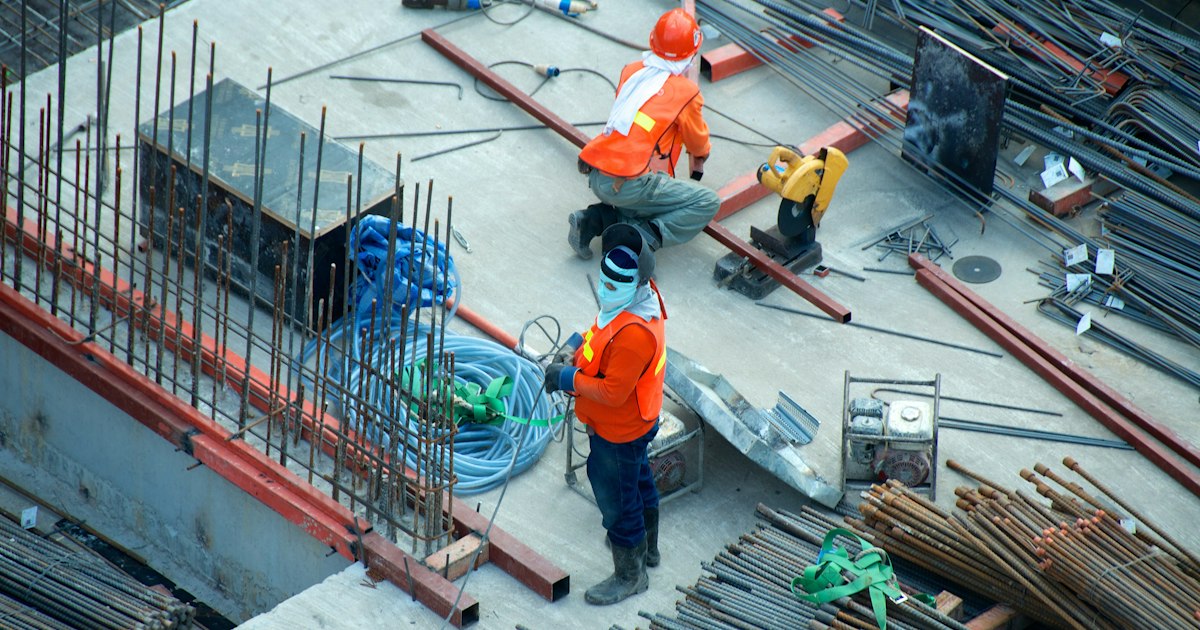
When separate firms draw the structure, the ductwork, and the site plan in isolation, their drawings meet for the first time on the job site. A beam lands where a main duct needs to run. A foundation detail fights a utility line. Each clash becomes a stoppage, a request for information, and often a change order.
InnoDez removes that handoff gap by keeping mechanical, electrical, plumbing, structural, and civil engineers on one team. The disciplines share assumptions early, flag conflicts while they are still cheap to fix, and issue one coordinated set of documents. For a broader primer on how these systems fit together, see InnoDez's guide to what MEP engineering means for developers.
Coordination reduces change orders by catching system conflicts during design, when a fix costs an edit rather than a demolition. A 2026 analysis published by the American Society of Civil Engineers found that actual precompletion rework averaged 0.38 percent of contract value, rising to 0.76 percent once postcompletion corrections were included (ASCE, 2026). Those direct figures are lower than survey estimates, yet the indirect cost of each clash, the stalled crew and the slipped milestone, still lands hard on a schedule.
Think about how a clash plays out without coordination. A plumbing riser conflicts with a structural beam. The contractor stops, submits a request for information, waits for two separate engineers to agree, then reworks the detail. Multiply that by dozens of conflicts and the delays compound.
A coordinated model closes that loop before anyone breaks ground. The structural engineer sees the plumbing route. The civil engineer sees the electrical service entry. Conflicts get resolved in the model, so the field crew builds from one reconciled set of drawings. Fewer stoppages means a tighter schedule and a more predictable budget.
Our finding: On projects where MEP, structural, and civil work share a single model from the start, the conflicts that usually trigger field change orders are resolved during design review, so the contractor receives documents that already agree with each other.
InnoDez runs a staged process that moves a project from an early concept to a permit-ready, buildable document set. Each stage adds detail while every discipline stays synchronized, so coordination is continuous rather than a scramble at the end.
The process follows a clear sequence:
Because the disciplines sit together, a decision in one feeds the others immediately. That is the practical difference between a truly integrated workflow and three consultants trading PDF files. For how engineering and architecture stay aligned through these stages, read InnoDez on MEP and architectural design working together.
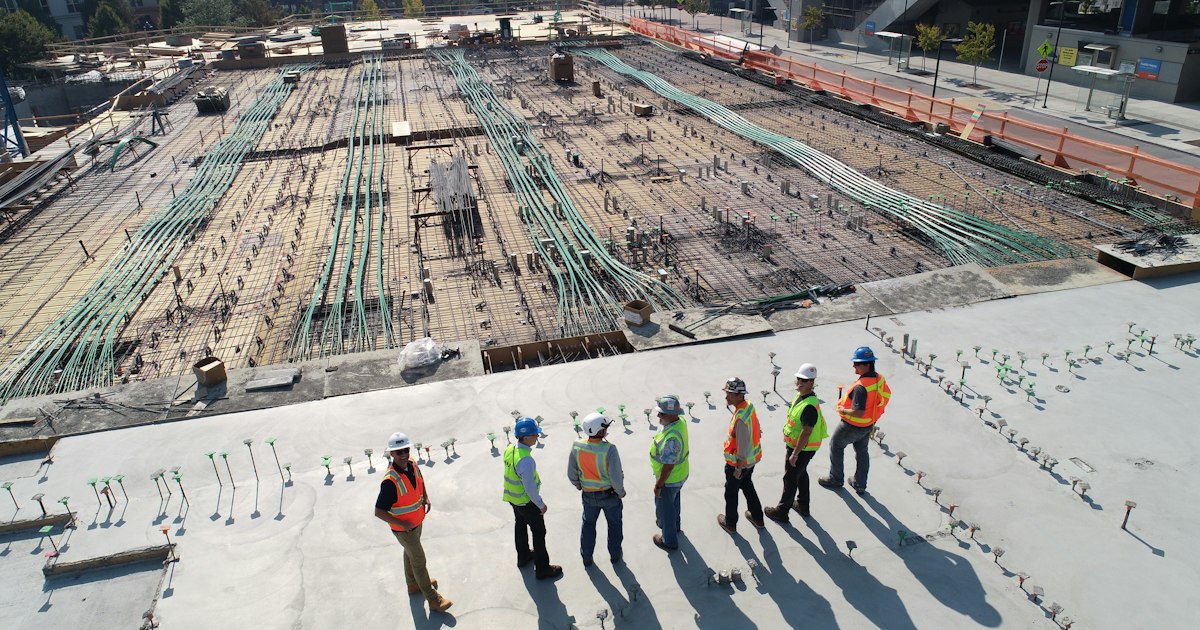
InnoDez delivers integrated engineering design services across five sectors, each with its own code demands and coordination challenges. The firm adapts the same multidisciplinary model to the risk profile of each building type.
The sectors served include:
Each sector rewards coordination differently. In healthcare, the density of mechanical, electrical, and plumbing systems makes a single clash costly, so early conflict detection protects both the schedule and patient safety. Hospitality projects live or die on guest experience, which depends on quiet, well-tuned systems that only coordinate design can guarantee.
Developers gain one point of accountability and a faster, more predictable path to a buildable design. With MEP, structural, and civil engineering in-house, there is no gap between consultants where responsibility and schedule can slip. One team owns the coordinated result.
Consider what that ownership removes. No waiting while two outside firms debate whose drawing is wrong. No reconciling conflicting assumptions late in the game. No finger-pointing when a field clash appears. The developer talks to one partner who can answer across every discipline.
That structure also tightens feedback. When a structural revision affects an HVAC run, the same team updates both in hours, not weeks. The result is a document set that agrees with itself, fewer requests for information during construction, and a budget that holds closer to plan. For developers weighing a partner, InnoDez's integrated model folds these capabilities into a single contract and a single team.
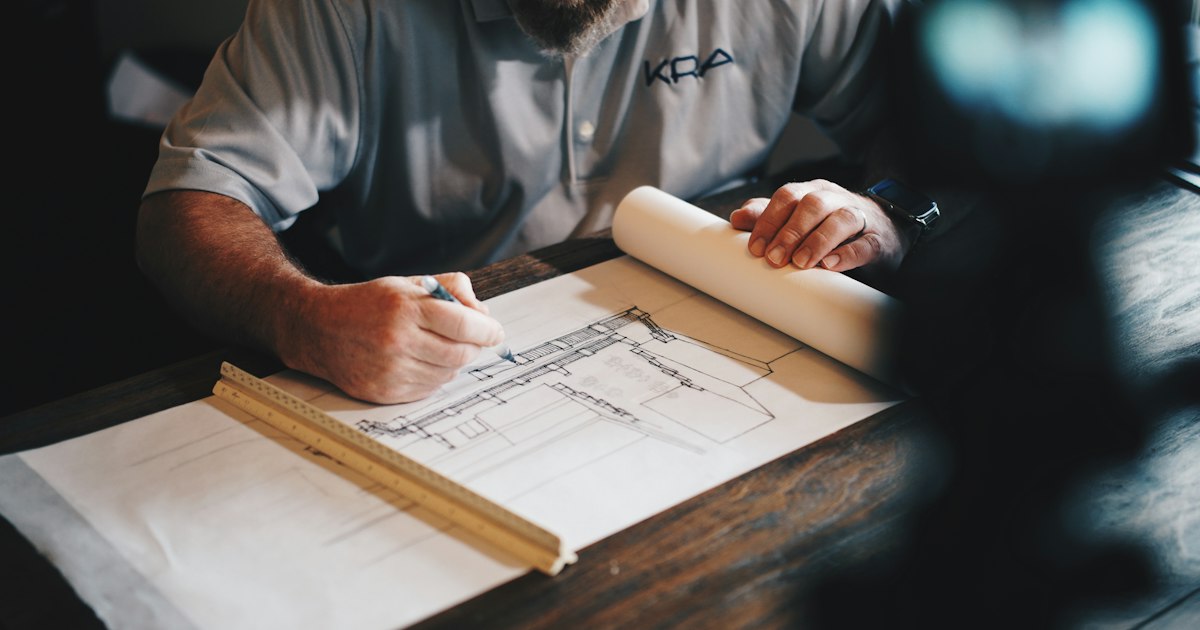
If your current design process relies on separate consultants trading drawings, map out where the handoffs sit and how often field clashes send you back for rework. Then bring those pain points to InnoDez for an early coordination review, so the next project starts with every discipline already in the same model.
They combine mechanical, electrical, plumbing, structural, and civil engineering within one coordinated team. Instead of separate firms working in isolation, the disciplines share one model and resolve conflicts together before drawings are issued.
Most change orders trace back to conflicts between systems that were not caught during design. When all disciplines coordinate in a shared model, clashes are resolved on screen, so fewer surprises reach the field.
InnoDez works on commercial, healthcare, hospitality, industrial, and residential projects across the US, handling MEP, structural, and civil design for construction and real estate developers.
A single multidisciplinary partner gives you one coordinated set of documents and one point of accountability, which removes the finger-pointing that happens when separate consultants disagree during construction.


