
- Mon-Fri 9am-5pm
- [email protected]
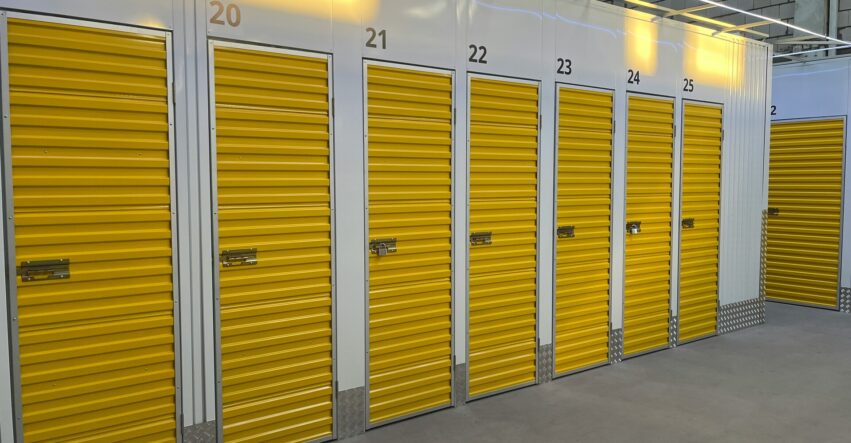
The rapid expansion of logistics, warehousing, and self-storage industries has significantly increased the demand for advanced mechanical engineering solutions. Modern storage facilities are no longer simple buildings designed only for inventory storage. Today’s warehouses must maintain controlled environments, support automated operations, optimize energy usage, and protect sensitive goods under changing climate conditions.
As a result, professional mechanical design for storage facilities has become one of the most critical components of successful warehouse development.
From HVAC systems and ventilation to humidity management and building automation, mechanical engineering directly impacts operational efficiency, sustainability, inventory protection, and long-term building performance.
Companies developing storage facilities need engineering solutions that are reliable, energy-efficient, scalable, and adaptable to future technologies. This is where experienced MEP engineering firms play an essential role.
Mechanical design refers to the engineering of systems responsible for maintaining indoor environmental conditions and supporting building operations.
In storage facilities, these systems commonly include:
The purpose of these systems is to maintain stable environmental conditions while minimizing operational costs and maximizing efficiency.
Properly engineered systems ensure that storage facilities remain functional, comfortable, and compliant with safety and environmental standards.
Mechanical systems affect nearly every aspect of warehouse operations.
A well-designed storage facility can improve:
Poor mechanical design, however, can result in:
Because warehouses often operate continuously throughout the year, efficient mechanical engineering is essential for long-term performance.
Warehouses and storage buildings are becoming increasingly complex due to:
These developments have increased the importance of integrated MEP engineering for storage facilities, where mechanical, electrical, and plumbing systems work together to support operational efficiency.
Modern facilities now require advanced engineering coordination to ensure systems operate efficiently while supporting evolving business demands.
Large Building Footprints
Storage facilities often include large open spaces with high ceilings and expansive floor plans.
Maintaining consistent airflow and indoor temperatures across these spaces can be challenging.
Climate and Environmental Control
Many warehouses store temperature-sensitive products such as:
| Product Type | Recommended Temperature |
| Pharmaceuticals | 68°F–77°F |
| Electronics | 60°F–75°F |
| Food Products | 32°F–55°F |
| Archival Materials | 65°F–70°F |
Mechanical systems must maintain stable conditions year-round to protect inventory.
Humidity Management
Humidity control is especially important in storage environments.
Excess moisture can cause:
Most climate-controlled facilities maintain humidity levels between 45% and 55% relative humidity (RH).
Energy Consumption
HVAC systems account for a significant percentage of warehouse energy use.
Improving energy efficiency is a major priority for developers and facility operators seeking lower operational costs and improved sustainability.
HVAC systems are one of the most important elements of warehouse mechanical engineering.
Professional HVAC design for storage facilities focuses on:
Modern HVAC systems commonly include:
Proper HVAC engineering helps reduce operating costs while improving environmental stability throughout the facility.
Effective ventilation systems improve indoor air quality while supporting consistent airflow throughout the building.
Proper ventilation helps prevent:
Airflow distribution becomes particularly important in large warehouses where uneven temperatures can create operational issues.
Mechanical engineers carefully analyze building layouts and airflow patterns to optimize ventilation performance.
Humidity management is one of the most critical aspects of climate-controlled storage.
Products such as electronics, documents, artwork, pharmaceuticals, and furniture are highly sensitive to moisture fluctuations.
Mechanical systems designed for humidity control may include:
Maintaining proper humidity levels helps preserve inventory quality while reducing maintenance issues within the facility.
Technology is transforming warehouse operations rapidly.
Modern storage facilities increasingly rely on intelligent building systems that optimize environmental control and energy efficiency.
Building Automation Systems (BAS)
Automation systems continuously monitor HVAC performance and environmental conditions.
These systems improve:
IoT Environmental Sensors
Connected sensors provide real-time monitoring of:
These technologies help facility managers detect issues before they become costly problems.
Sustainability has become a major focus in warehouse and logistics development.
Modern mechanical engineering strategies prioritize:
Common energy-efficient solutions include:
These strategies reduce operational expenses while supporting environmental goals.
Climate-controlled storage facilities require specialized engineering systems capable of maintaining precise environmental conditions.
These facilities commonly store:
Mechanical engineers must carefully design systems that maintain stable temperatures and humidity levels regardless of external weather conditions.
This requires advanced coordination between HVAC systems, ventilation systems, insulation strategies, and automation technologies.
Mechanical systems must work seamlessly with electrical and plumbing infrastructure.
Integrated MEP engineering for storage facilities improves:
Collaborative MEP design also reduces installation conflicts and improves overall project execution.
Working with experienced mechanical and MEP engineers provides several important benefits.
Improved Operational Efficiency
Optimized systems improve warehouse performance while reducing energy waste.
Better Inventory Protection
Stable environmental conditions reduce the risk of product damage.
Reduced Maintenance Costs
Efficient system design minimizes equipment failures and maintenance issues.
Enhanced Occupant Comfort
Proper ventilation and temperature control improve working conditions for warehouse employees.
Future Scalability
Well-designed systems can accommodate future expansion and technological upgrades.
Successful warehouse projects require engineering firms with experience in:
An experienced engineering partner can help developers create facilities that remain efficient, adaptable, and competitive for years to come.
The future of warehouse engineering will be shaped by emerging technologies such as:
As storage facilities become increasingly advanced, mechanical engineering will continue to play a central role in operational success.
Mechanical systems are the foundation of every successful storage facility.
From HVAC and ventilation to humidity control and automation technologies, professional mechanical engineering directly impacts energy efficiency, inventory protection, operational reliability, and long-term building performance.
As logistics and storage operations continue to evolve, investing in high-quality mechanical design for storage facilities is essential for creating efficient, future-ready buildings capable of meeting modern operational demands.
Mechanical design involves engineering HVAC, ventilation, humidity control, and environmental systems within warehouses and storage buildings.
HVAC systems maintain stable indoor temperatures and humidity levels that protect inventory and improve operational efficiency.
Most climate-controlled facilities maintain humidity between 45% and 55% relative humidity.
Warehouses can improve efficiency through high-performance HVAC systems, smart automation, insulation, and energy recovery technologies.
MEP engineering integrates mechanical, electrical, and plumbing systems to improve building performance and operational reliability.


