
- Mon-Fri 9am-5pm
- [email protected]
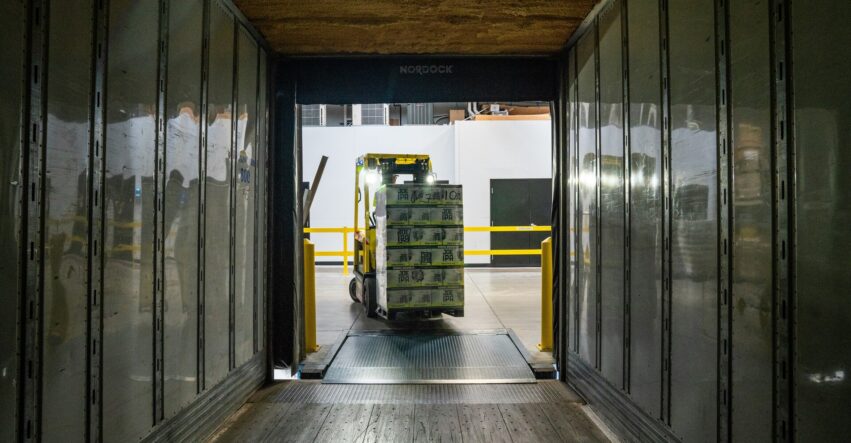
Modern logistics and storage facilities are evolving rapidly. Warehouses are no longer simple storage spaces — they are now highly engineered environments designed to protect sensitive inventory, optimize operations, and improve energy efficiency. As global supply chains become more complex, the demand for advanced climate control for logistics facilities continues to rise.
From pharmaceutical distribution centers to self-storage facilities and cold-chain warehouses, maintaining precise environmental conditions is essential. Even minor fluctuations in temperature or humidity can damage products, disrupt operations, and create costly compliance issues.
This is where expert MEP engineering for storage facilities becomes essential. Companies need reliable partners capable of designing integrated systems that deliver efficiency, sustainability, and long-term operational performance.
Among today’s leading engineering firms, Innodez stands out as a trusted provider of innovative mechanical, electrical, and plumbing solutions tailored specifically for logistics and storage environments.
Climate control is far more than simply heating or cooling a building. In logistics facilities, environmental systems directly impact:
Warehouses store millions of dollars’ worth of goods daily. Without proper environmental management, businesses risk:
For industries such as pharmaceuticals, food distribution, electronics, healthcare, and archival storage, precise climate management is absolutely essential.
The global warehouse and logistics market continues to expand rapidly due to:
According to industry research, the global smart warehouse market is projected to exceed $40 billion by 2030, with climate-controlled facilities representing one of the fastest-growing segments.
As facilities become larger and more technologically advanced, the complexity of HVAC design for storage facilities also increases.
Climate control refers to the systems and engineering strategies used to regulate:
These systems are carefully engineered to maintain stable conditions despite external weather changes and operational demands.
Professional mechanical design for storage facilities ensures that HVAC systems operate efficiently while maintaining optimal conditions throughout the building.
Designing HVAC systems for warehouses and logistics facilities presents several unique engineering challenges.
1. Large Open Spaces
Warehouses often feature:
This makes temperature distribution more difficult than in traditional commercial buildings.
2. Frequent Door Openings
Loading docks create constant exposure to outside air. This causes:
3. Sensitive Inventory Requirements
Different products require different environmental conditions.
Examples include:
| Product Type | Ideal Temperature |
| Pharmaceuticals | 68°F–77°F |
| Electronics | 60°F–75°F |
| Wine Storage | 50°F–59°F |
| Food Products | 32°F–55°F |
Maintaining these conditions consistently requires advanced engineering.
4. Energy Efficiency Pressures
Warehouses consume substantial energy, with HVAC systems accounting for up to 45% of total building energy use in some facilities.
Companies increasingly seek sustainable solutions that reduce operational costs while meeting ESG goals.
MEP engineering combines:
Together, these systems create a safe, efficient, and functional building environment.
For logistics facilities, integrated MEP design improves:
Professional MEP design for storage facilities also ensures compliance with:
Temperature Control Systems
Modern HVAC systems maintain stable indoor temperatures regardless of outdoor conditions.
Key technologies include:
Humidity Management
Humidity control is critical for preventing:
Most climate-controlled storage facilities maintain humidity levels between 45% and 55% relative humidity (RH).
Ventilation and Airflow
Proper ventilation improves indoor air quality while ensuring consistent airflow throughout the facility.
Well-designed ventilation systems also help prevent stagnant air and airborne contaminants.
Smart Building Automation
Modern logistics facilities increasingly rely on automation systems that:
When it comes to climate control for storage facilities, choosing the right engineering partner is critical. Businesses need experienced professionals who understand the unique challenges of logistics, warehousing, and self-storage environments.
Innodez Delivers Industry-Leading Expertise
Innodez has built a reputation for delivering innovative, high-performance engineering solutions across commercial and industrial sectors.
Their expertise includes:
By combining technical precision with forward-thinking engineering strategies, Innodez helps clients create facilities that are efficient, scalable, and future-ready.
No two logistics facilities are identical.
Innodez develops customized engineering solutions based on:
This tailored approach ensures maximum performance and long-term value.
Energy efficiency is one of the biggest concerns in warehouse operations.
Innodez incorporates advanced sustainability strategies such as:
These systems help reduce:
Mechanical systems are the backbone of warehouse climate control.
Innodez designs systems that improve:
Their engineering approach ensures facilities operate efficiently even under demanding conditions.
Self-storage facilities increasingly offer climate-controlled units to attract customers storing:
Climate-controlled units often generate higher rental revenue while improving customer satisfaction.
Innodez provides specialized solutions for:
The future of logistics depends heavily on sustainable infrastructure.
Innodez helps clients achieve sustainability goals through:
This not only benefits the environment but also improves long-term operational savings.
Technology is transforming warehouse engineering rapidly.
Emerging trends include:
Facilities that fail to modernize risk falling behind in operational efficiency and competitiveness.
Innodez stays ahead of these trends by integrating innovative technologies into every project.
Poorly designed HVAC systems can lead to:
Professional engineering ensures systems are:
This is why businesses trust experienced engineering firms like Innodez.
As logistics and warehousing operations continue to grow, climate control has become one of the most important aspects of facility design.
Advanced HVAC design for storage facilities, integrated MEP engineering, and sustainable mechanical systems are now essential for operational success.
Companies seeking reliable, energy-efficient, and future-ready engineering solutions need a partner with deep industry expertise.
Innodez stands out as one of the best providers of climate control, HVAC, and MEP engineering services for logistics facilities, storage warehouses, and self-storage developments.
With innovative engineering strategies, customized solutions, and a strong commitment to quality and sustainability, Innodez helps businesses build smarter and more efficient storage environments for the future.
Climate control involves regulating temperature, humidity, airflow, and ventilation to protect inventory and maintain operational efficiency.
Proper HVAC design prevents product damage, improves energy efficiency, and maintains stable indoor environmental conditions.
Industries such as pharmaceuticals, food distribution, electronics, healthcare, and archival storage often require climate-controlled facilities.
MEP engineering integrates mechanical, electrical, and plumbing systems to improve efficiency, sustainability, and operational reliability.
Innodez offers customized, energy-efficient, and technologically advanced engineering solutions specifically designed for logistics and storage facilities.


