
- Mon-Fri 9am-5pm
- [email protected]
An ERU in HVAC is an energy recovery unit: a ventilation device that captures heat and moisture from the air a building is about to throw away and uses it to pre-condition the fresh air coming in. That exchange means your heating and cooling equipment works against a smaller load, which lowers both the size of the system and the bill to run it.
For developers, this is a practical question with real money attached. Ventilation and cooling are among the largest electricity draws in a commercial building, and an ERU directly targets both. Below we explain how an ERU works, how it differs from simple heat recovery, what it does for air quality, and how your design team sizes and places one.
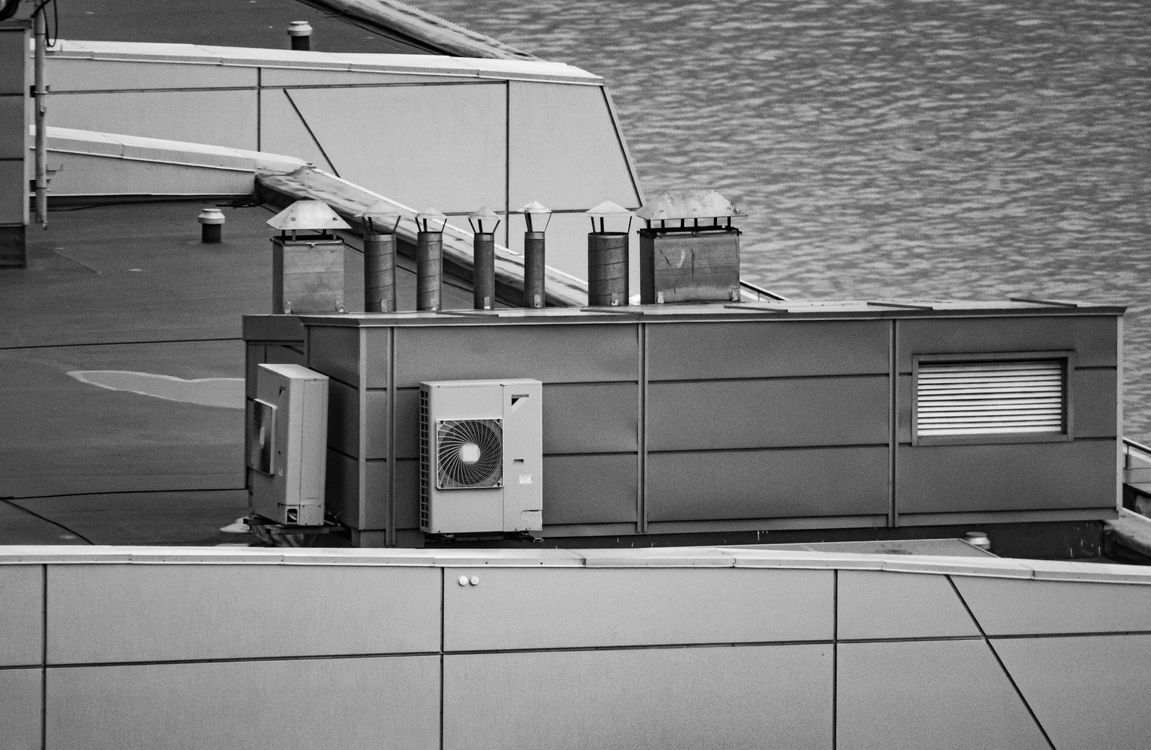
A building has to bring in fresh outdoor air to stay healthy and meet code, and it has to push stale indoor air back out. In a conventional system, those two air streams never meet. The building spends energy heating or cooling the incoming air from scratch, then dumps conditioned air outside through the exhaust. That is a lot of paid-for energy leaving the building.
An ERU puts the two air streams next to each other inside a single piece of equipment so they can trade energy without mixing. The core of the unit is a heat and moisture exchanger, usually one of two designs:
In summer, the cool, dry exhaust air pre-cools and dehumidifies the hot incoming air. In winter, the warm, humid exhaust air pre-heats and humidifies the cold, dry incoming air. Either way, the main heating and cooling coils only have to finish the job the ERU already started. To understand where an ERU sits in the wider system, it helps to review the basics of how HVAC works before diving into recovery equipment.
These two terms get used as if they mean the same thing, and the distinction matters when you specify equipment.
Heat recovery moves sensible energy only: temperature. A heat recovery ventilator (HRV) transfers warmth from one air stream to the other, but it does not move moisture. It treats the air as dry.
Energy recovery moves sensible and latent energy: temperature and humidity. An energy recovery ventilator (ERV) or an ERU transfers both heat and the water vapor carried in the air. That latent transfer is the key difference.
Why does the moisture matter? In a cold, dry climate, an HRV may be plenty, because humidity is not the problem you are managing. In a hot, humid climate, pulling moisture out of incoming outdoor air is often the harder and more expensive part of conditioning it. An ERU that transfers latent energy hands off some of that dehumidification work to the exhaust stream, which an HRV cannot do. For a developer, the short version is this: pick energy recovery when humidity is part of your load, and heat recovery when it is not.
The reason an ERU pays off is scale. According to the U.S. Energy Information Administration, cooling accounted for 14% of commercial building electricity use, and ventilation for another 18%, in its 2018 survey (EIA). Together that is nearly a third of the electricity a commercial building draws, and both numbers sit squarely in the path an ERU affects. By recovering energy from the exhaust, the unit shrinks the heating and cooling demand that drives those figures.
That saving compounds. A lower conditioning load means smaller chillers, boilers, and air handlers, so an ERU can reduce the first cost of the rest of the mechanical system, not just the operating cost. This is the kind of whole-system thinking that separates an efficient building from a merely compliant one.
The air quality benefit comes from the same mechanism. Because an ERU makes fresh air cheaper to condition, designers can bring in more outdoor air without a runaway energy penalty. More outdoor air dilutes indoor pollutants, carbon dioxide, and odors, which supports occupant health and comfort. In settings where ventilation is non-negotiable, such as healthcare and laboratory spaces, that matters even more, and the requirements can get very demanding.
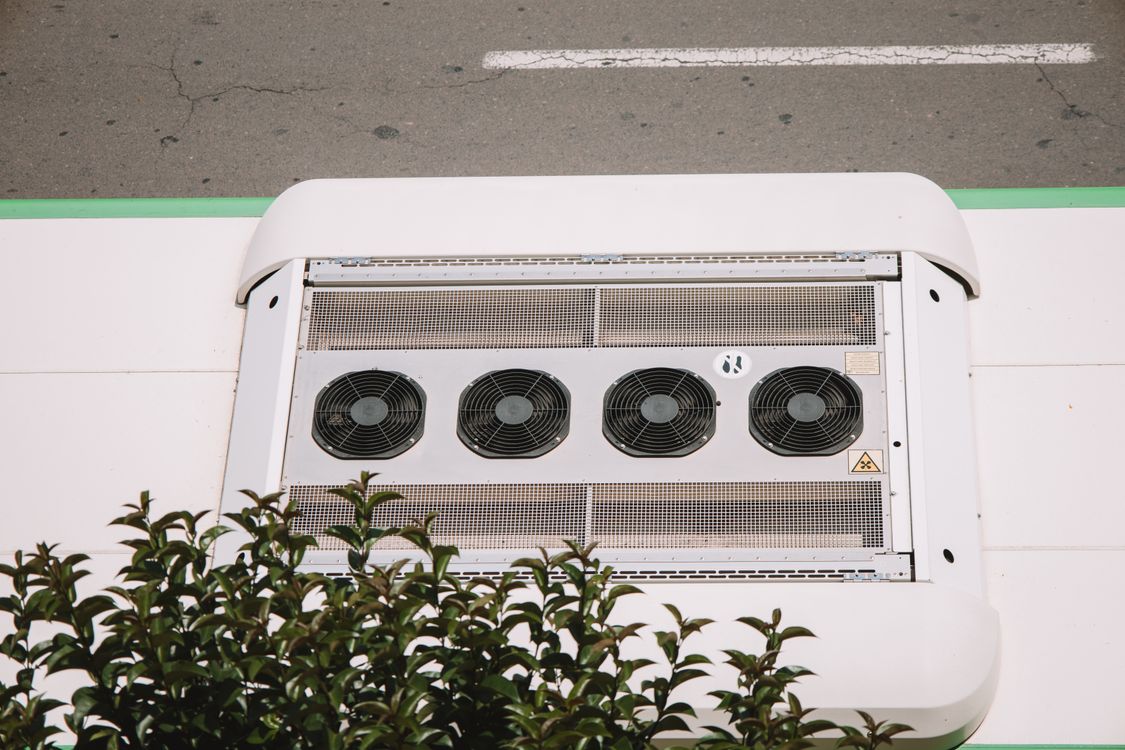
An ERU is only as good as the engineering behind it. A few factors drive how it gets sized and where it goes.
Airflow and outdoor air rate. The unit is sized to the volume of fresh air the building needs, which depends on occupancy, use type, and code-required ventilation rates. A high outdoor air fraction, common in hospitals, labs, and busy assembly spaces, makes an ERU especially valuable, because there is more energy in the exhaust to recover.
Climate zone. The economics shift with where the building sits. In a hot, humid zone the latent recovery does heavy lifting on dehumidification; in a cold zone the sensible recovery dominates. The right core type and recovery effectiveness follow from that.
Balanced airflow. An ERU works best when supply and exhaust volumes are reasonably balanced, so the two streams have comparable energy to trade. Heavily unbalanced systems recover less.
Placement and routing. Both air streams have to physically reach the unit, so the exhaust and intake ducts need to converge at the ERU location. That is usually on the roof or in a mechanical room. Rooftop placement adds structural load the building has to carry, and it affects duct runs, pressure drop, and the fan energy needed to move air. Poor placement can quietly erase the savings the unit was supposed to deliver, which is a risk that tends to surface late in a project.
Getting these variables right is detailed mechanical engineering work, and it is exactly the kind of coordination an MEP firm like InnoDez handles as part of a full HVAC design.
Two situations make the decision easy.
First, when code requires it. ASHRAE Standard 90.1 and the International Energy Conservation Code mandate exhaust air energy recovery once a system's outdoor airflow and total supply airflow cross defined thresholds, and those thresholds tighten in more extreme climate zones. For many commercial systems with meaningful outdoor air, an ERU is not optional. Your design team maps your project against the current code to confirm the trigger.
Second, when the project has a high ventilation load. Healthcare, hospitality, industrial, and large mixed-use buildings often move a lot of outdoor air, which is where energy recovery returns the most. If your building type runs high fresh-air rates, an ERU usually earns its place even before code forces the issue.
The timing point matters as much as the decision itself. An ERU changes duct routing, roof structural loads, and the size of the equipment around it, so it has to be designed in early, not bolted on later. Deciding during schematic or design development keeps the whole system coordinated; deciding after the ducts and structure are fixed invites rework and cost. This is a core reason to bring mechanical engineering in at the right moment, a question we address in when developers should hire an MEP engineer.
The concrete next step is simple: before your mechanical drawings are locked, ask your MEP engineer to run the energy recovery check against your climate zone and ventilation rates. That single calculation tells you whether an ERU is required, where it saves the most, and how to size it, while the design is still flexible enough to accommodate it cleanly.
ERU stands for energy recovery unit. It is a ventilation device that transfers heat and moisture between a building's exhaust air and the incoming fresh outdoor air to reduce heating and cooling loads.
The terms overlap. ERV (energy recovery ventilator) usually refers to the packaged product, while ERU often describes a larger, custom air handling unit with energy recovery built in. Both move heat and moisture between air streams.
Yes. By pre-conditioning incoming outdoor air with energy that would otherwise be exhausted, an ERU reduces the heating and cooling the rest of the HVAC system must provide, which lowers equipment size and operating cost.
Often. ASHRAE Standard 90.1 and the International Energy Conservation Code require exhaust air energy recovery on many systems once outdoor airflow and total supply airflow cross defined thresholds, which vary by climate zone.
During schematic or design development, before ductwork and roof structure are fixed. Deciding late forces costly rework, since an ERU changes airflow paths, roof loads, and the size of other equipment.


