
- Mon-Fri 9am-5pm
- [email protected]
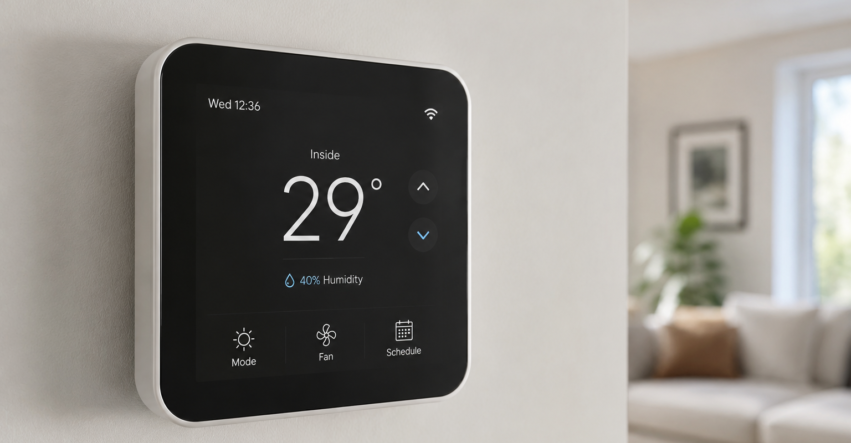
Comfort is one of the most important factors in any residential building. Whether it is a single-family home, apartment complex, condominium, or luxury residential development, a well-designed climate control system plays a major role in how people experience their living space every day.
Modern homeowners expect more than basic heating and cooling. They want energy efficiency, healthier indoor air, quiet operation, smart technology integration, and consistent comfort throughout the entire home. Professional climate control design helps achieve all of these goals while improving the long-term performance of the building.
At InnoDez, we provide residential HVAC and MEP engineering solutions that focus on comfort, sustainability, and efficient building performance.
Residential climate control design involves planning and engineering systems that regulate:
The process includes designing HVAC systems that fit the specific layout, occupancy, and energy requirements of a residential property.
A properly engineered system ensures that every room maintains comfortable conditions while operating efficiently throughout the year.
Poor HVAC planning can create long-term comfort and efficiency problems for homeowners. Common issues caused by inadequate climate control design include:
Professional MEP and HVAC engineering helps avoid these problems during the design phase rather than correcting them after construction.
Every home has unique heating and cooling requirements based on factors such as:
Accurate load calculations help determine the correct HVAC system size. Oversized or undersized systems can reduce efficiency and shorten equipment lifespan.
Balanced airflow is essential for maintaining comfort throughout the home. Climate control engineers design ductwork and ventilation systems that distribute air evenly across all spaces.
Proper ventilation also helps improve:
Fresh air circulation has become increasingly important in modern residential developments.
Energy efficiency is one of the biggest priorities in residential climate control design. Modern homeowners want systems that reduce utility costs without sacrificing comfort.
Energy-efficient solutions may include:
Well-designed systems help homeowners reduce monthly energy consumption while improving indoor comfort.
Technology is transforming residential HVAC systems. Smart climate control solutions allow homeowners to manage indoor conditions more efficiently and conveniently.
Features often include:
Smart systems can improve both convenience and energy savings in modern residential projects.
Indoor air quality is now a major consideration in residential HVAC engineering. Poor indoor air quality can affect comfort, health, and overall wellbeing.
Climate control design can help improve indoor environments through:
Healthy indoor environments are especially important in apartment buildings and high-density residential developments.
Different types of residential buildings require different HVAC strategies.
Focus on comfort, quiet operation, and energy efficiency.
Require centralized coordination, zoning, and ventilation planning.
Often include smart automation and advanced comfort systems.
Need flexible climate control solutions for varying occupancy patterns.
At InnoDez, we tailor every HVAC and MEP design solution to the unique requirements of each residential project.
Working with experienced MEP engineers provides long-term benefits for developers, contractors, and homeowners.
Consistent temperatures and balanced airflow throughout the property.
Efficient systems reduce monthly utility expenses.
Cleaner, healthier indoor environments.
Well-designed systems operate more reliably and efficiently.
Proper sizing and coordination reduce system strain.
Smart integration and sustainable design improve long-term property value.
Sustainability is becoming a major focus in residential construction. Modern climate control design supports greener building practices through:
As energy regulations continue to evolve, efficient HVAC engineering becomes even more important in residential development.
At InnoDez, we provide residential climate control and MEP engineering services for:
Our team focuses on creating HVAC systems that deliver comfort, efficiency, sustainability, and long-term reliability.
Whether planning a new residential development or upgrading an existing property, professional climate control design helps create healthier, more comfortable, and energy-efficient living environments.


