
- Mon-Fri 9am-5pm
- [email protected]
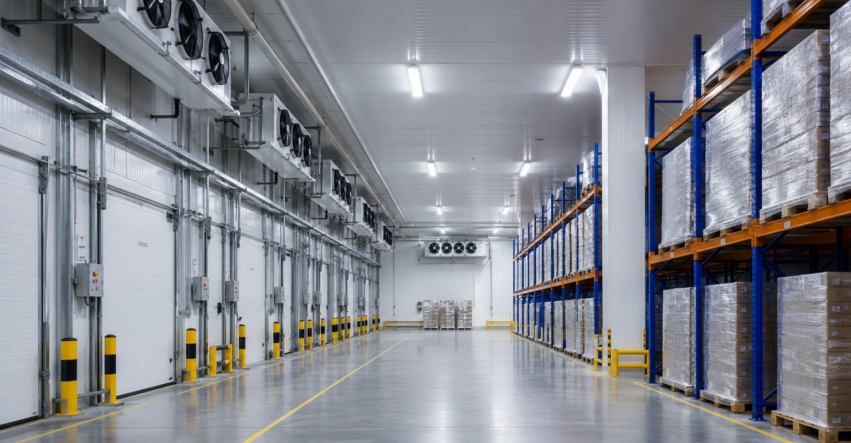
Cold storage facilities have become an essential part of today’s global supply chain. From food distribution and pharmaceutical manufacturing to biotechnology and e-commerce grocery services, temperature-controlled buildings play a critical role in preserving product quality, ensuring regulatory compliance, and supporting efficient operations.
Unlike conventional warehouses, cold storage facilities require highly specialized engineering systems capable of maintaining precise environmental conditions while minimizing energy consumption. Every aspect of the building—from refrigeration equipment and HVAC systems to electrical infrastructure and plumbing—must work together seamlessly to ensure reliability, safety, and long-term operational efficiency.
At InnoDez, we provide integrated Mechanical, Electrical, Plumbing (MEP), Structural Engineering, and BIM coordination services for cold storage developments, helping developers, architects, contractors, and facility owners deliver reliable, energy-efficient refrigerated facilities.
A cold storage facility is a temperature-controlled building designed to store products that require specific environmental conditions throughout their lifecycle.
These facilities may include:
Each facility has unique temperature, humidity, ventilation, and refrigeration requirements that demand specialized engineering expertise.
Cold storage facilities operate continuously, often 24 hours a day, making them among the most energy-intensive commercial buildings.
Successful engineering designs must overcome several challenges:
Integrated MEP engineering addresses these challenges during the design phase, reducing costly modifications after construction.
Mechanical systems are the heart of any refrigerated building.
Proper mechanical design ensures:
The refrigeration system must maintain precise temperature ranges based on stored products.
Typical storage temperatures include:
Engineers carefully calculate:
These calculations determine equipment sizing and overall system efficiency.
While refrigeration maintains storage temperatures, HVAC systems provide ventilation and environmental control in occupied areas.
HVAC systems help:
Well-designed HVAC systems also help protect building materials from moisture damage.
Humidity is one of the most overlooked aspects of cold storage engineering.
Excess moisture can lead to:
Mechanical engineers design dehumidification systems that maintain optimal moisture levels throughout the facility.
Cold storage buildings depend heavily on reliable electrical infrastructure.
Electrical systems support:
Because refrigeration failures can result in significant product losses, electrical redundancy is often incorporated into critical systems.
Power outages can quickly compromise temperature-sensitive inventory.
Engineering designs often include:
These systems help ensure uninterrupted operations.
Although refrigeration receives most attention, plumbing systems are equally important.
Plumbing design includes:
Proper drainage design is particularly important to prevent freezing and water accumulation.
Cold storage buildings present unique fire protection challenges due to:
Fire protection engineers design:
All systems are designed to comply with applicable NFPA standards and local building codes.
Cold storage facilities often support:
Structural engineers design framing systems capable of supporting these loads while accommodating thermal expansion and minimizing energy loss.
Cold storage facilities contain complex mechanical and refrigeration systems that must fit within limited building spaces.
Building Information Modeling (BIM) allows engineers to:
At InnoDez, our BIM workflows improve collaboration between architects, engineers, contractors, and owners, helping projects stay on schedule and within budget.
Cold storage buildings consume significant amounts of electricity, making energy efficiency a major design priority.
Engineering strategies include:
These measures help reduce operating costs while supporting sustainability goals.
Modern refrigerated warehouses increasingly rely on automation.
Engineering teams coordinate systems for:
Integrated engineering ensures these technologies operate efficiently alongside core building systems.
Cold storage facilities must comply with a wide range of codes and industry standards, including:
Early engineering coordination helps avoid costly redesigns and permitting delays.
At InnoDez, we provide comprehensive engineering solutions for cold storage and refrigerated facilities throughout the United States. Our multidisciplinary team delivers coordinated MEP, structural engineering, and BIM services that improve construction efficiency, reduce lifecycle costs, and support reliable facility performance.
Whether you’re developing a new refrigerated warehouse, expanding a pharmaceutical storage facility, or modernizing an existing cold chain operation, we work closely with your project team to deliver practical, code-compliant engineering solutions tailored to your operational goals.
Cold storage facilities demand far more than conventional warehouse design. Reliable refrigeration, efficient electrical systems, effective humidity control, advanced fire protection, and coordinated structural engineering are all essential to maintaining product integrity and minimizing operating costs.
With integrated engineering and BIM coordination, developers can create cold storage facilities that are energy-efficient, resilient, and ready to support the growing demands of modern food, pharmaceutical, and logistics industries.
If you’re planning a cold storage project, partnering with an experienced engineering team like InnoDez can help ensure your facility performs reliably from day one while delivering long-term operational value.


