
- Mon-Fri 9am-5pm
- [email protected]
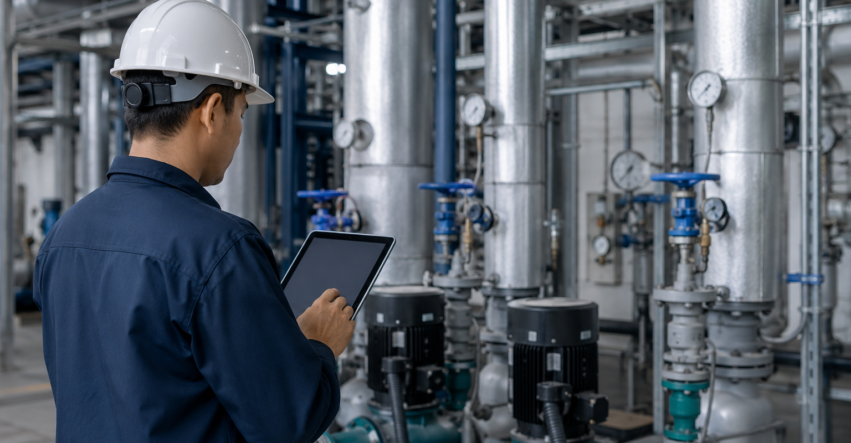
Constructing a commercial building is a significant investment, but completing construction does not automatically guarantee that every building system will perform as intended. Mechanical, electrical, plumbing (MEP), fire protection, and building automation systems must be thoroughly tested, verified, and optimized before a building is occupied.
This process is known as building commissioning—a quality assurance process that ensures all building systems are designed, installed, tested, and operating according to the owner’s project requirements and the design intent.
At InnoDez, we support successful building commissioning through integrated MEP engineering, structural engineering, and BIM coordination. By designing coordinated building systems from the outset, we help reduce commissioning issues, minimize delays, and improve long-term building performance.
Building commissioning (Cx) is a systematic process carried out throughout design, construction, and occupancy to verify that every major building system functions correctly.
Commissioning typically includes:
Rather than identifying problems after occupancy, commissioning helps detect and resolve issues before they affect building operations.
Even well-designed buildings can experience operational problems if systems are not properly installed, coordinated, or tested.
Commissioning helps ensure:
A properly commissioned building provides better comfort, lower operating costs, and fewer maintenance issues over its lifecycle.
Commercial buildings consume substantial amounts of energy each year. Improperly configured systems can waste energy through inefficient operation, incorrect control settings, or equipment conflicts.
Commissioning helps optimize:
These improvements often result in significant reductions in energy consumption and utility costs.
Small operational issues can become expensive over time.
Commissioning identifies problems such as:
Resolving these issues early reduces maintenance expenses and extends equipment life.
Comfort has a direct impact on employee productivity, tenant satisfaction, and overall building performance.
Commissioning ensures:
These improvements create healthier, more productive workspaces.
Mechanical and electrical systems represent a major investment.
Commissioning helps ensure equipment operates as intended by:
Reliable equipment experiences fewer failures and requires less emergency maintenance.
Commissioning begins during the design phase.
Engineering teams review:
Early design reviews reduce costly changes during construction.
During construction, commissioning professionals verify that systems are installed correctly.
Activities include:
These inspections help ensure construction matches the approved engineering documents.
Once installation is complete, systems undergo comprehensive testing.
Testing includes:
Every major building system is tested under real operating conditions.
Commissioning concludes with comprehensive documentation.
Deliverables often include:
Proper documentation supports efficient building operations long after construction is complete.
Commissioning is most effective when engineering systems are designed with coordination in mind.
Integrated MEP engineering helps by:
Well-coordinated engineering designs reduce commissioning time and improve project outcomes.
Building Information Modeling (BIM) plays an increasingly important role in the commissioning process.
BIM helps project teams:
Digital coordination reduces field conflicts and helps commissioning teams work more efficiently.
Commissioning typically covers a wide range of building systems, including:
Nearly every commercial project can benefit from commissioning, including:
For complex or mission-critical buildings, commissioning is especially valuable to ensure systems operate reliably from day one.
Many green building certification programs recognize the value of commissioning.
Commissioning supports sustainability goals by:
It is also a key component of many high-performance building strategies.
At InnoDez, we understand that successful commissioning begins with coordinated engineering design. Our multidisciplinary team provides integrated MEP engineering, structural engineering, and BIM coordination services that help simplify construction, improve system performance, and reduce operational risks.
By focusing on coordination, code compliance, and practical design solutions, we help clients deliver commercial buildings that are efficient, reliable, and ready for long-term success.
Building commissioning is one of the most effective ways to protect a commercial building investment. By verifying that every major system operates according to the design intent, commissioning improves energy efficiency, reduces operating costs, enhances occupant comfort, and extends equipment life.
Whether you’re developing a new office building, healthcare facility, warehouse, or industrial complex, integrating commissioning into your project helps ensure the building performs as expected from the first day of operation—and for many years to come.


